
Is a plum a berry or a fruit?
Thanks to its delicious flavor, plums are considered one of the most beloved crops among agronomists. They are eaten fresh and processed into compotes, juices, preserves, marmalades, and dried fruits. Some varieties of this plant are widely used in folk medicine to treat and prevent colds, normalize the digestive system, and strengthen the immune system. Despite their popularity and widespread use, not everyone knows the correct name for plums. So, let's clarify: is a plum a berry or a fruit?
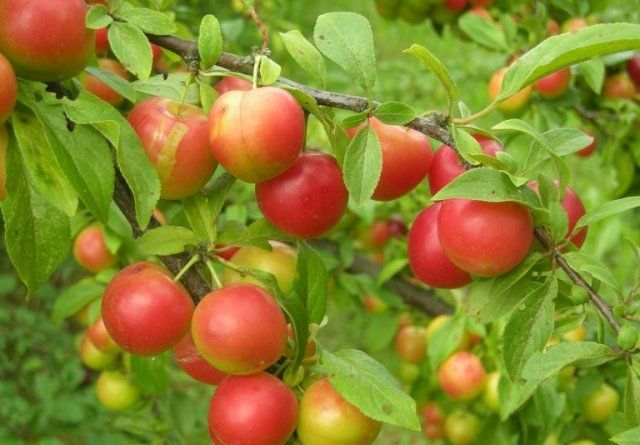
To answer this question, we need to delve a little into botany. As described in encyclopedic sources, including Wikipedia, the plum is a fruit tree with several dozen subspecies. According to botanical reference books, after the flowers are fertilized, single-seeded drupes form on the branches of fruit trees, which gradually take on the more distinct shape and size of the fruit. Berries, which grow on trees and shrubs, are multi-seeded fruits characterized by juicy flesh and thin skin.
From a scientific point of view, it becomes clear that a plum is a fruit.
Why, you ask, do many stone fruit growers mention plums as berries? First, let's consider what the fruit is. It's a large, juicy, sweet or slightly tart fruit that's eaten fresh or used in industrial preserves. The berry, in turn, has an equally interesting flavor, but is significantly smaller. Accordingly, according to popular classification, plums are often considered large berries.