
When does pumpkin ripen and what does it depend on?
The time it takes for pumpkins to ripen depends on several factors: the variety, planting time, growing and care methods, and the climate in which they are grown. Fully ripe pumpkins can occur by late summer or mid-fall.
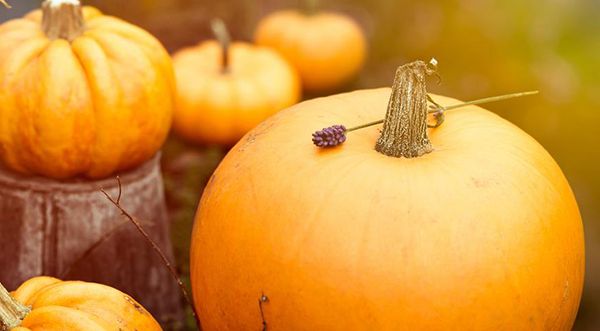
The most common pumpkin varieties grown in our country are nutmeg, hard-shelled, and large-fruited. Hard-shelled varieties ripen earliest: the fruits can be harvested as early as three months after planting, in late August. Hard-shelled varieties are not recommended to be left growing in the garden until early fall, otherwise the fruits will overripe and the flesh will become soft. Large-fruited varieties also ripen quite late, requiring more than four months to be ready.
To ensure long-term storage, the fruit should be harvested before the first frost. In temperate climates or colder regions, the harvest is usually made in the last ten days of September and then stored in a warm, dry place until fully ripened. Muscat varieties are the latest ripening, most demanding, and most heat-loving. These pumpkins grow and ripen best in the south, as they take about 5 months to be fully ripe. In colder climates, the fruits are harvested in early autumn, before frost. They need to ripen for several months, depending on storage conditions.
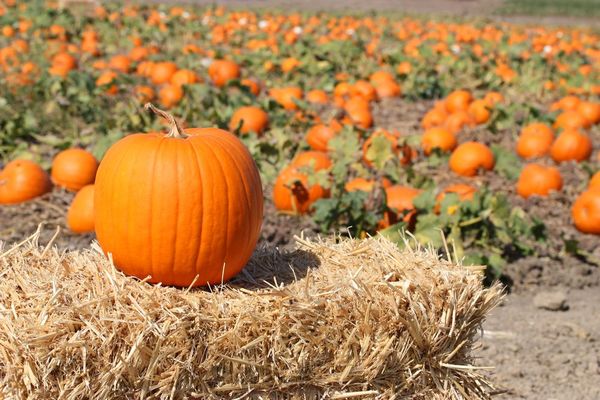
You can tell when a pumpkin is ripe based on the following characteristic features found in fruits of different varieties:
- The appearance of the stalk is the most reliable sign. In a fully ripe pumpkin, the connecting stem lightens in color and becomes hard and woody;
- Bark color changes: from green to yellow or orange, depending on the variety. However, it's important to remember that some varieties don't change bark color even when fully ripe. This is especially true for pumpkins with white and gray bark.
- Bark thickening: the bark becomes so hard that it's very difficult to damage. It also develops a distinct pattern characteristic of a particular cultivar.
Yellowing and drying of the leaves and stems can also indicate that the fruit is ready for harvest. However, don't rely solely on this sign. If the pumpkin was grown in unfavorable conditions or wasn't properly cared for, changes in the foliage could be caused by various diseases or pests.
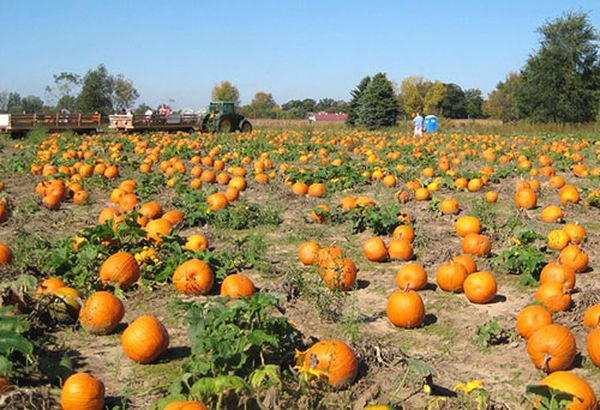
In some cases, to speed up the ripening process, a few weeks before the cold weather sets in, reduce the number of flowers with ovaries to a minimum or remove them entirely. At the same time, it's important to pinch out young shoots. This will redistribute nutrients, not only accelerating the ripening of existing fruits but also increasing their size.
If you live in regions where frosts begin early, it is better to grow pumpkins from seedlings.
The seedlings tolerate transplanting well and take root. The pumpkin's ripening period will be significantly reduced if you plant it in last year's compost pile. The heat from the decomposing organic matter will warm the soil and promote growth.
Video: How to Grow a Giant Pumpkin
This video will show you how to grow a giant pumpkin.