
Description of the self-fertile cherry variety Zagoryevskaya
Content
Description of the Zagoryevskaya cherry
So, let's begin our description of the Zagoryevskaya cherry from the very beginning. This cherry variety was bred by staff at the All-Russian Selection and Technological Institute of Nursery and Horticulture. It boasts a rather impressive list of advantages, which has made it popular among gardeners not only in our country.
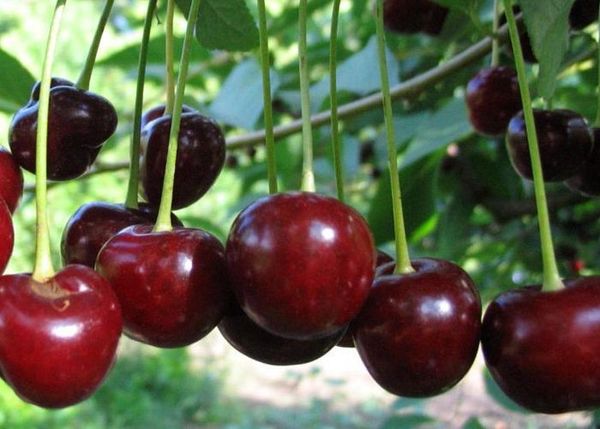
This variety was developed by crossing the Lyubskaya and Shirpotreb Black varieties. It is a low-growing, bush-like tree. Its maximum height is approximately 2.3–3 m. The crown is spreading and wide, but not dense. Fruiting occurs on one-year-old shoots.
Description of Zagorje fruits:
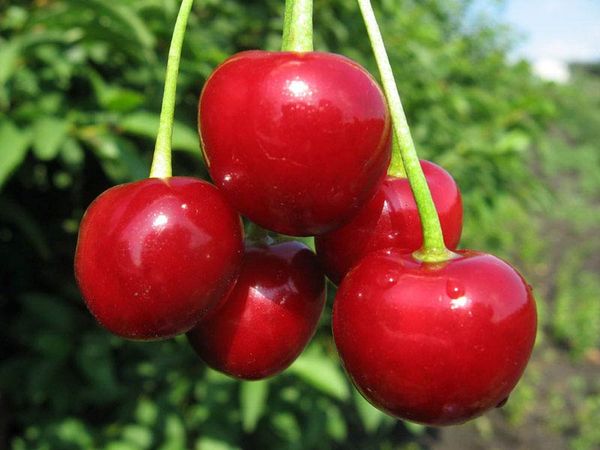
- average weight – 3.7 g (maximum – 4.3 g);
- shape – rounded-elongated;
- The skin color is dark ocher (sometimes becoming almost brown). The color of the fruits resembles cherries;
- pulp color - ocher;
- the pulp is dense;
- juice - dark ocher;
- taste – sweet and sour, with a chocolate tint;
- The stone is small and easily separated.
The berries are characterized by a high content of macro- and microelements, organic acids, sugars, pectin substances, folic acid, and vitamins.
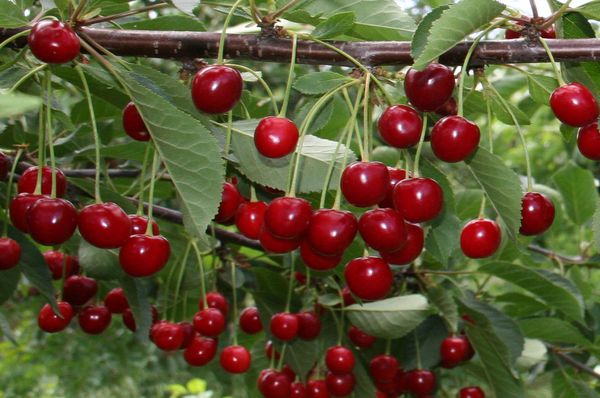
Once ripe, the fruits cling tightly to their short stalks. Therefore, they are separated with some effort. The berries are versatile. They can be eaten fresh or processed into jams, juices, preserves, and compotes. They are also used to make various liqueurs and cordials.
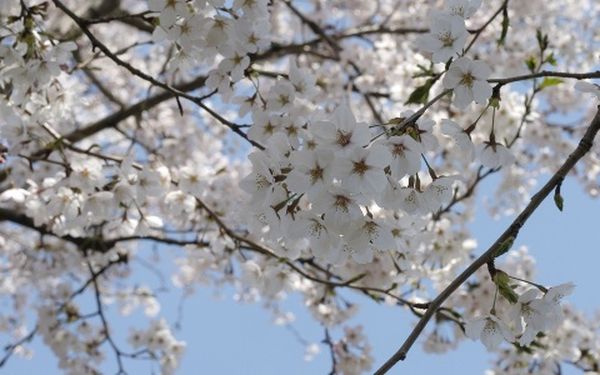
The harvest begins approximately 3-4 years after planting. Flowering occurs in late May. Ripe berries can be picked in late July and early August. This variety is characterized by average yields. With proper and comprehensive care, a single tree can yield up to 14 kg of berries annually. A single hectare typically yields up to 10-14 tons of fruit.
The Zagorevskaya cherry is self-fertile. Therefore, it can produce a good harvest even in the absence of other varieties of its fruit crop. However, the best pollinators for this variety are considered to be Shubinka, Lyubskaya, and Vladimirskaya.
These trees are highly cold-hardy, allowing them to withstand severe frosts. However, to protect the plants from freezing in regions with harsh winters, trees of this variety require additional protection in the fall.
It's worth noting that yields typically decline after a harsh winter. This is because prolonged low temperatures cause flower buds to freeze.
The tree has moderate resistance to coccomycosis and other fungal diseases. For good growth and consistent fruiting, seedlings should be planted in light, fertile soils. Sandy loam or sandy black soil is the best option. To ensure rapid establishment of seedlings, slaked lime should be added to the soil.
The plant does not tolerate stagnant water well. Therefore, it should not be planted in areas with close groundwater levels. However, cherry trees do not require any special care. Preventative pruning should be performed only in the spring, after the snow melts. During this pruning, all frozen, diseased, and damaged branches should be removed.
With these characteristics, this cherry variety can grow in virtually any region. In Russia, it is typically grown in the southwestern and northwestern regions.
Zagoryevskaya is often used not only for its delicious berries and orchards, but also for landscaping. Trees of this variety are often used for landscaping parks and squares.
Advantages and disadvantages
Every cherry variety has its advantages and disadvantages. The undeniable advantages of the Zagoryevskaya cherry include the following:
- early fruit bearing;
- regular and abundant fruiting;
- high winter hardiness;
- the presence of good resistance to fungal diseases;
- excellent appearance of fruits;
- good taste of berries;
- simple care, which includes a standard set of agricultural techniques characteristic of this type of fruit crop;
- the fruits do not fall off after ripening;
- relatively compact dimensions.
Despite having such a list of advantages, this variety also has disadvantages:
- It does not tolerate stagnant water. Therefore, in areas where groundwater is close to the surface, seedlings do not take root well and often die;
- average immunity to various types of non-fungal diseases;
- freezing of flower buds during severe and prolonged frosts.
In general, by growing this cherry variety and following standard tree care rules, you can get a tasty and abundant harvest, as well as mitigate any existing shortcomings.
Video: Cherry Tree Care Tips
This video will show you 8 basic tips for caring for your cherry tree.