
10 Delicious Felt Cherry Varieties for the Moscow Region
Content
What is the difference between felt and regular?
Compared to conventional varieties, the felt cherry has several significant advantages, including high and consistent yields and a compact habit. The plant's small size significantly simplifies cultivation, making pruning and harvesting very convenient.
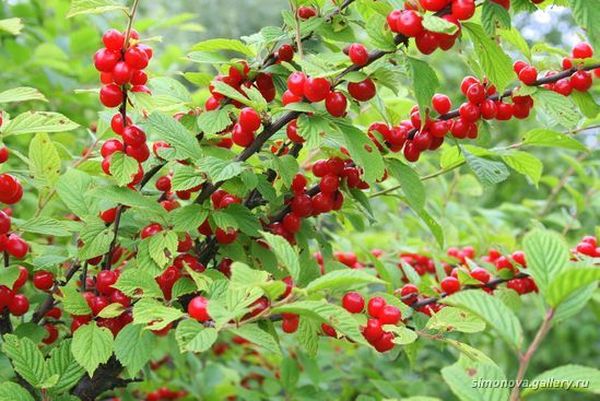
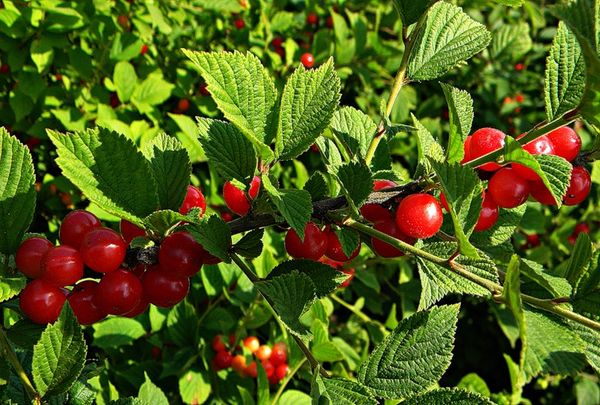
Felt cherry fruits are smaller than usual, but have a very pleasant taste.
Felt cherry is ideal for growing in the central part of the country. The following felt cherry varieties are most popular among gardeners for growing in the Moscow region: Okeanskaya Virovskaya, Vostochnaya, Yubileynaya, Detskaya, Natalie, Leto, and Vostorg. These varieties tolerate cold climates and adverse environmental conditions well.
Natalie
According to the description of the Natalie variety, it was bred in the 1970s. The variety was created by crossing different types of pollen with the Leto variety.
The Natalie cherry tree grows up to 1.8 m in height, making it considered a medium-sized tree. It has a regular crown and straight, hairy branches. Its leaves are oblong and bright green. Large, deep-red berries ripen in midsummer. Their flesh is firm and juicy. Each plant can yield up to 9 kg of fruit. Natalie cherry can be planted in northern regions, as it tolerates cold temperatures well. Even late spring frosts won't damage the young flowers.
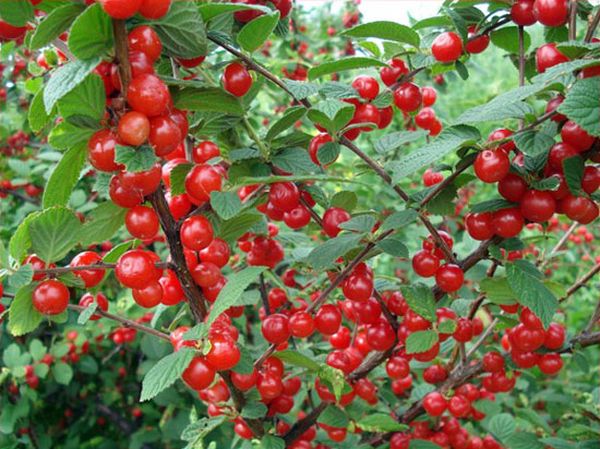
Ogonyok
The fruits of this variety are large and light-colored. Each berry weighs approximately 4 g. The flesh of this variety is thick and juicy. The cherries taste sweet with tart notes. The harvest ripens in mid-summer.
The best cherry varieties are self-fertile, meaning they don't require pollinators. These plants are also less susceptible to pest attacks.
Ocean Virovskaya
Considered compact, yet vigorous, this cherry tree boasts good yields. It produces large, juicy fruits with a vibrant aroma. It blooms in spring, and the fruits ripen in midsummer.
Children's
A Buryat variety with a dense crown. The tree's bark is gray-brown. The branches are covered with fuzz, and the undersides of the leaves are felted.
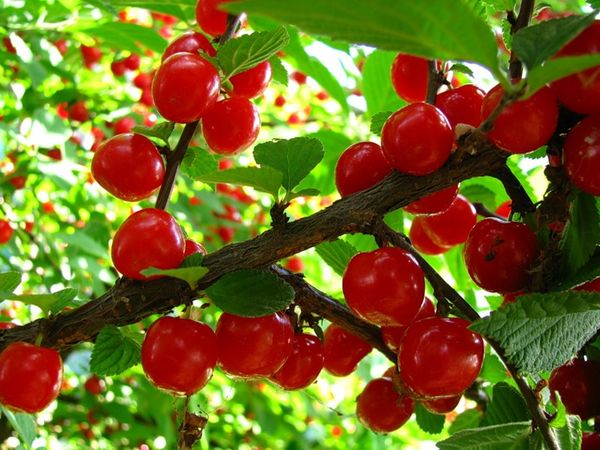
The tree's blossoms are pink. The cherry fruits are burgundy and medium-sized. They are attached to the branches by a short, easily detachable stalk. The skin of the fruits is covered with hairs.
Based on its characteristics, the Detskaya variety has good frost resistance. A single bush yields no more than 4.7 kg of fruit. The harvest ripens early, in June. This cherry does not tolerate drought well, making planting and care challenging. However, it is resistant to fungal diseases and has a rich, pleasant flavor.
Summer
In the mid-20th century, the Leto variety was developed, which shares characteristics with both the felt and sand cherries. It grows slowly for two years after planting and blooms later than other varieties. The tree can be harvested in late July. The cylindrical fruits weigh over 3 grams, making them difficult to transport over long distances. The maximum yield is 8 kg.
Pink Harvest
Proper planting and care of this variety allow you to harvest up to 9.5 kg of berries per bush. Sweet notes dominate the fruit's flavor. The average berry weight is 3 g. Pink Prolific blooms in spring and produces fruit actively in the second half of summer. The plant tolerates frosts well.
Eastern Darkling
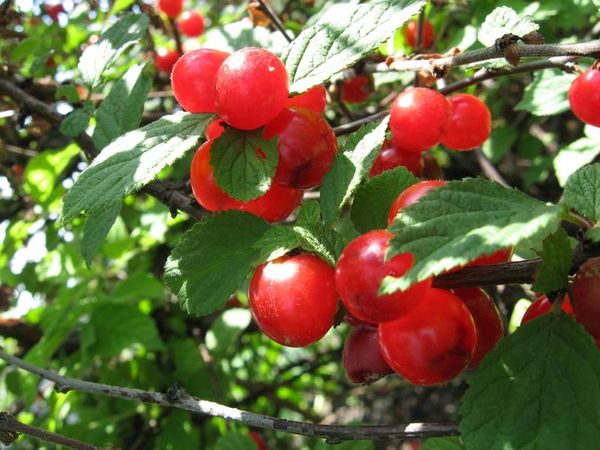
This low-growing cultivar with a spreading crown was developed by crossing the sand-tomentose cherry with the Leto cherry. The fruit weighs approximately 2.5 grams and is very aromatic and juicy. The yield increases every year. A maximum of 7 kg of fruit can be harvested from a single bush. Smuglyanka is grown in many regions of the country, including the Moscow region.
Delight
Delight is a variety characterized by a dense bush with a spreading crown up to one and a half meters tall. This variety appeared in the second half of the last century as a result of pollination of the Ogonyok cherry tree with pollen from the Red Sweet, Summer, and Damanka varieties.
Cherry Delight is one of the best options for growing in the middle zone.
The berries are large and fleshy and are used for a variety of purposes. Vostorg bears fruit in the second half of summer, with a bush typically yielding up to 9 kg of berries.
Anniversary
The Jubilee berry was created by pollinating Damanka with pollen from Leta, Krasnaya Sladkaya, and Ogonyok. The bush is oval-shaped and has a medium density. It blooms in spring and bears fruit in midsummer. A single plant can yield approximately 9 kg of fruit.
Amurka
Amurka bushes grow vigorously and tolerate even frosty winters well. However, excess moisture is detrimental to the plant. Berries weighing over 2.7 grams ripen in the second half of summer. The fruits are firmly attached to the branches, have a rich burgundy color, and a dessert-like flavor. With proper care, the bush can yield up to 14.5 kg.
Amurka is not a self-pollinating variety. Self-fertility is generally uncommon among felt-like varieties. All of them require pollinators. Therefore, gardeners should plan ahead for planting pollinating crops near Amurka.
Thus, felt varieties are comparable to cherries in terms of yield and fruit quality. Therefore, they are now actively cultivated by gardeners in their own plots.
Video: "What You Need to Know About Felt Cherry"
This video will tell you what makes felt cherry so special and why it's worth planting.