
Description of the frost-resistant cherry variety Ural Ruby
Content
Description of the variety
This variety, as the name suggests, was bred for cultivation in the Urals.
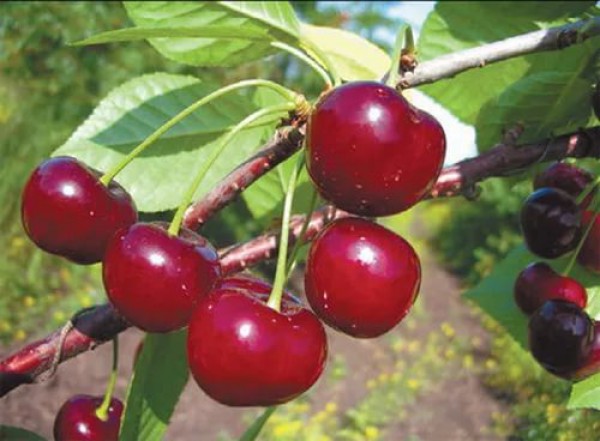
The Ural Ruby Cherry variety has the following description:
- compact tree. Maximum height is 1.8–2 m;
- the crown is of average neglect;
- fruiting occurs on one-year-old growths, as well as bouquet branches;
- Self-sterile cherry. Without pollinators in the area, the tree will bloom but will not produce fruit. Ideal pollinators, which are guaranteed to produce fruit when grown near the Zagrebinskaya, Alatyrskaya, Polevka, Mayak, Zvezdochka, and Shchedraya varieties, are also suitable. The Uralskaya Rubinovaya variety can also act as a pollinator.
- The plant's high frost resistance (especially its buds and wood) makes these cherries ideal for the Urals;
- good resistance to adverse climatic conditions.
Flowering is observed after frosts – from May 30 to June 8. The fruits ripen simultaneously. The berries can be picked in the second half of August. A full harvest is only obtained from trees that have been growing in the same location for three years. Some felt cherry varieties have the same characteristics as the Ural Ruby cherry.
Productivity and characteristics of fruits
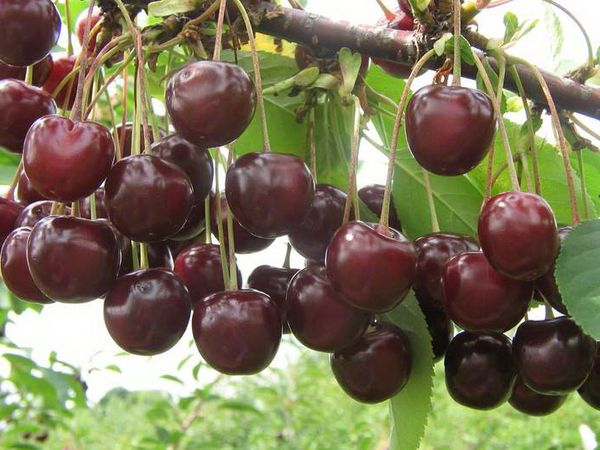
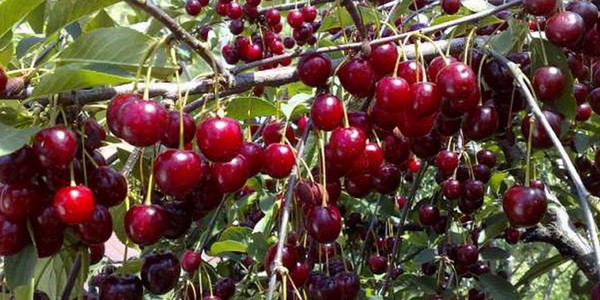
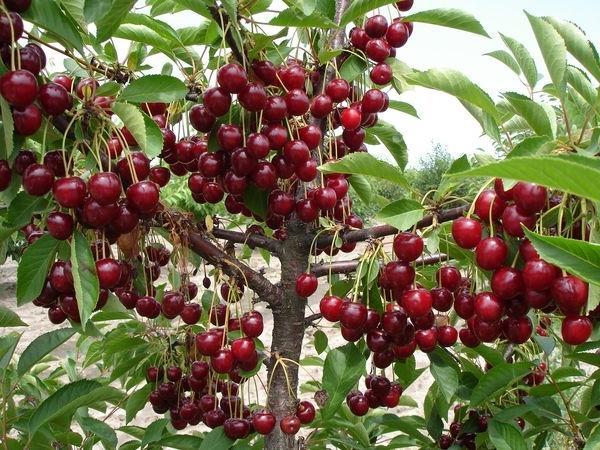
The Ural Ruby cherry is known for its abundant yield. Typically, a single tree in the Urals can yield up to 6–7 kg of berries. However, at experimental stations, this figure reached 14–15 kg. Maximum yield is typical for trees that are approximately 13–16 years old. The tree's lifespan is approximately 24–30 years.
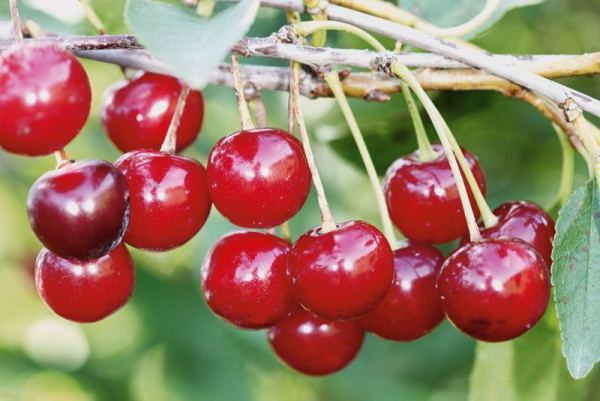
The fruits have an excellent appearance. They are round in shape and medium in size (15–17 mm). A slight flattening occurs around the stalk and suture. Each berry weighs approximately 4 g. The cherries have a dark red skin, which is also the color of the flesh. In appearance, they resemble sweet cherries. Ripe cherries have firm, juicy flesh. These fruits are highly resistant to cracking and are difficult to remove from the stalk. The pit is small and easily separated from the flesh.
Features of cultivation
To plant this cherry variety, you need to know its growing conditions. Seedlings are best planted in fertile, loamy, loose, and light soil. The site chosen for this variety should receive good daylight and be well-ventilated on all sides.
If a cherry tree is planted near groundwater, it will become diseased and quickly die. Therefore, the chosen site should also be free of standing meltwater during the spring. A sapling can be planted in the fall or spring. However, it's best to do this in the spring, as in the fall, the young tree may not have time to establish roots in its new location before the first frost and will simply die.
Planting in spring is usually done before bud break. If the decision has been made to plant the seedling in the fall, this procedure is performed later than October. Whether to plant in spring or fall is a personal decision for each gardener.
Trees should be planted at a distance of at least 2 m from each other and other plantings.
The seedlings are placed in a hole 50 cm deep and wide. After planting, the young plants are given proper and comprehensive care. Regular watering is key. However, it's important to remember that cherry trees don't like excessive moisture. Therefore, avoid overwatering the tree, as this will cause root rot.
After watering, it's essential to loosen the soil around the tree trunk. This will improve the soil's looseness and prevent the formation of a hard crust. Preventive pruning is necessary in spring and fall. In spring, all damaged, dead, and frozen branches are trimmed. In fall, overly long shoots, as well as branches showing signs of disease or pests, are removed. During this period, trees are also sprayed with special solutions for preventative maintenance.
To ensure a tasty and abundant harvest, cherries are fertilized throughout the season. In the fall, phosphorus and potassium fertilizers should be added to the soil at the same time as tilling. This will allow the trees to "wake up" more quickly after winter dormancy. As you can see, there's nothing complicated about growing this variety.
Advantages and disadvantages
The Ural Ruby variety has a number of advantages:
- It is distinguished by good yield, which is maintained from year to year with the help of proper tree care;
- Early fruiting. The first full harvest can be collected in the 3rd year of life;
- long lifespan;
- excellent frost resistance;
- tasty sweet and sour berries with high commercial qualities;
- universal meaning of fruits.
The variety has some drawbacks, including late fruiting (second half of August) and self-sterility. Therefore, if there are no pollinators in the area, there will be no harvest. Another drawback is the trees' low resistance to fungal diseases (especially coccomycosis). When growing the Ural Rubin cherry variety, it is essential to be mindful of its pros and cons, as well as proper care. Otherwise, the harvest will not meet expectations.
Video "Planting Cherry Trees"
This video will show you how to plant cherry trees correctly.