
How to care for a cherry tree and grow a fruit-bearing tree
Content
Features of summer care
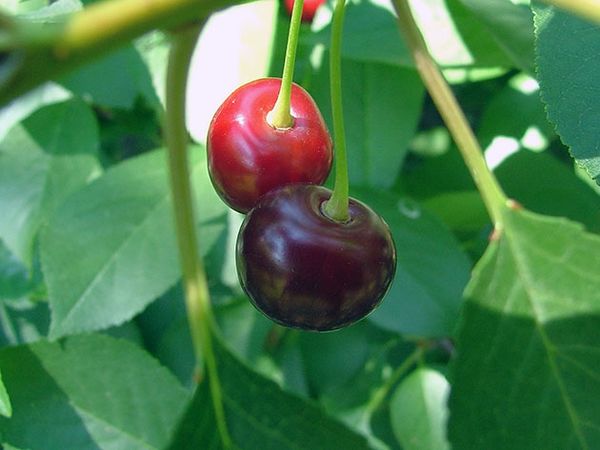
How to care for cherries in summer? Growing this tree in summer involves a number of environmental considerations. It's important to remember that this is the period when cherries ripen and are harvested. Early varieties begin to ripen as early as June, while regular cherry orchards bear fruit in July.
Summer is also a time of particularly harsh sun and the active presence of all pests of this crop. Timely whitewashing can help prevent a number of diseases. Whitewashed cherries are more resistant to temperature fluctuations and various fungal diseases. Cherry tree care and cultivation during this period are closely linked to the need for constant moisture around the tree's root zone. The soil should never be allowed to dry out. Experienced gardeners mulch the trunk to protect the tree from drying out and prevent infestations by various organisms.
After the tree has shed its ovaries, it is necessary to add nitrogen fertilizers to the soil. After a couple of weeks, add phosphorus and potassium as fertilizer. Caring for seedlings during this period is not much different from caring for an adult tree.
Features of autumn care
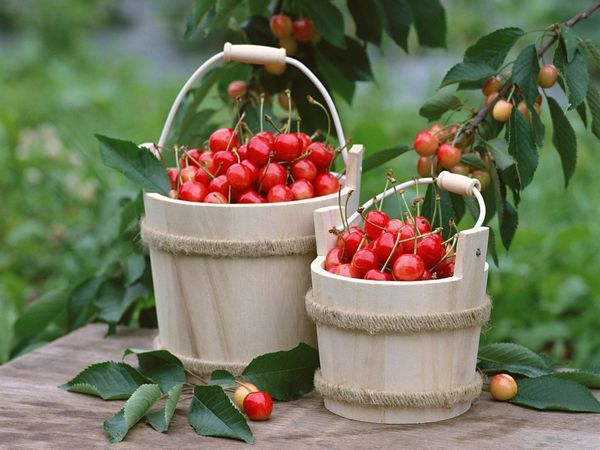
With the arrival of autumn, those who grow cherries face the question: how to care for the tree before winter? Trees grown in their gardens during this period require intensive preparation for winter. Various fertilizers are added to the soil, and it is recommended to dig the soil around the tree to a depth of about 10 cm. The digging depth around mature trees should be increased to 20 m. These measures are recommended before the leaves turn yellow.
Don't forget about mandatory pest control treatments for cherry trees, which is a preventative measure. During this period, pre-winter watering is also recommended to replenish the tree's moisture. After the onset of cold weather, it is recommended to remove fallen leaves and mulch the trunk with peat or manure.
Watering
How to care for a cherry tree and how much water should it receive? Watering is probably one of the most pressing concerns for gardeners. It's important to maintain a balance between overwatering the tree, which can cause rot, and not overwatering it. Proper watering should reach a depth of up to 45 cm.
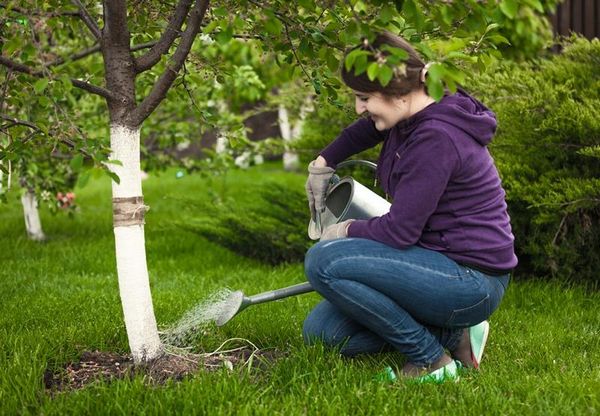
The first intensive watering of the cherry tree occurs after flowering. The second occurs when the berries are ripening. The final, moisture-recharging watering—the deepest and most powerful, reaching a depth of up to 80 centimeters—is carried out in October before wintering. Watering is carried out at a rate of 3-6 buckets per tree, depending on the weather.
Top dressing
How do you grow a cherry tree so it bears fruit and stays healthy? Of course, feeding it is enough. Cherries, like all other garden plants, require both mineral and organic fertilizers. The former are applied every two or three years, usually in the fall.
Potassium and phosphorus fertilizers are recommended to be applied at a rate of 25 g per square meter. Nitrogen fertilizers should be applied at least twice: in the spring and after the tree has bloomed, evenly distributed throughout the garden.
Organic fertilizers should be added once every two or three years when digging the tree.
Trimming
To ensure cherry trees grow more vigorously and quickly, it's important to understand how to properly care for them in the garden. Remember that the first pruning of this tree can be done as soon as the buds swell. If you miss this time, simply skip it to avoid damaging the tree. Sanitary pruning can be done at any time of year. It's usually done to treat a disease.
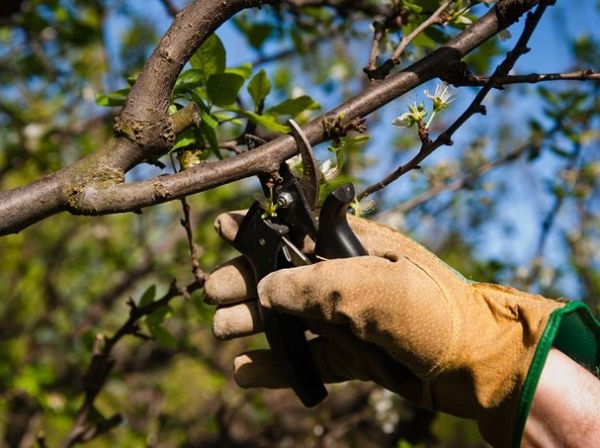
During spring pruning, remove frost-damaged shoots first, treating the cuts immediately. Shoots no longer than 40 centimeters (16 inches) can be left unpruned; simply remove competing shoots to avoid crowding the crown. It's also recommended to remove shoots growing vertically.
Additional pruning to shape the crown is carried out in the summer after harvesting.
Caring for a fruit-bearing tree
The most important question—how to care for a fruit-bearing cherry tree—has a simple answer. In fact, caring for a fruit-bearing tree simply involves protecting it from stress and allowing the harvest to ripen peacefully. If you've been fertilizing and pruning on time, caring for your seedlings, whitewashing, and treating them with disease control products, you have nothing to fear during this time.
Fighting diseases
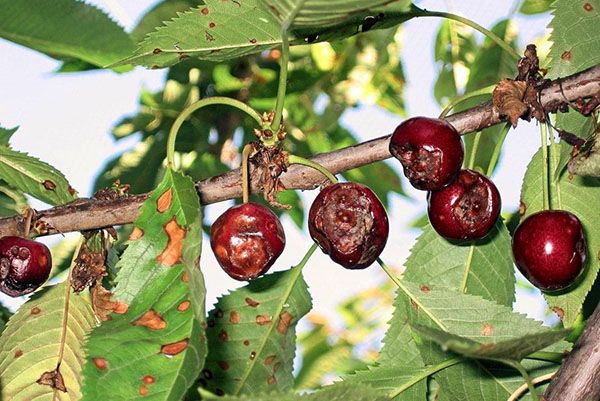
This crop, like rose bushes in general, is susceptible to a wide range of diseases. These are primarily fungal in nature, but bacterial diseases are also common. Regularly treating the tree with fungicides and insecticides, adhering to all sanitary standards, and promptly detecting outbreaks of disease can prevent disease. Generally, following all the necessary measures is sufficient to combat various diseases: whitewashing the tree trunk in the spring and applying several treatments throughout the year to protect your garden.
Pest control
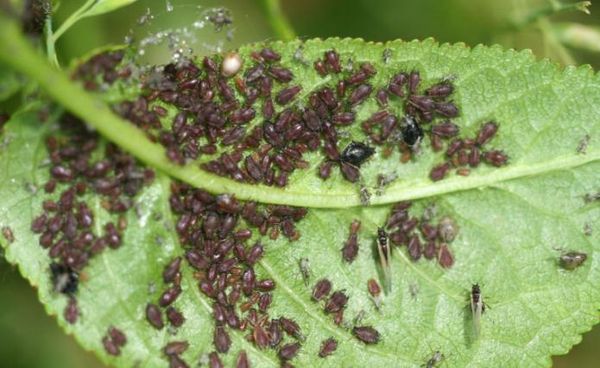
These days, fighting various pests and diseases is no longer a real struggle. Using various chemicals or folk remedies is enough to keep your plants free of pests. With proper preparation for the upcoming season, insects and mites won't be a problem.
Preparing for winter
How to properly care for cherry trees before winter? It's important to protect their roots from freezing and various diseases. Be sure to water them before winter, after which it's essential to mulch the soil with manure or peat. As a preventative measure, you can treat the skeletal branches with lime and copper sulfate.
Professionals recommend tying young trees with pine branches for the winter.
Video: Cherry Tree Care Tips
This video will give you some effective tips on how to care for your cherry tree.