
Growing Surinam Cherry at Home
Content
Description
The Surinam cherry, sometimes called Pitanga, is a tree that grows to 7-7.5 meters tall. A special dwarf variety is also available for indoor cultivation. This plant belongs to the Myrtle family, with dark green, pointed leaves and small white flowers. The Surinam cherry bears small, ribbed berries, each up to 4 cm in diameter. As the fruit ripens, its color changes from green to dark red. The texture and color of the flesh are very similar to that of a common cherry, with a sweet-tart flavor and a noticeable bitterness.
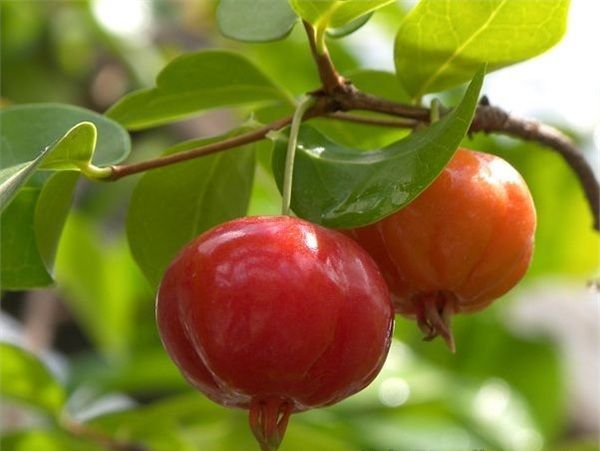
Characteristics of the variety
The Surinam cherry is grown as a fruit tree or as an ornamental. The plant is medium-sized and slightly spreading. With proper care and suitable growing conditions, it can produce two harvests per year. The yield figures are average – each tree can produce 2–10 kg of fruit.
The plant's fruits are rich in vitamins and microelements: in particular, vitamins C and A, and have a high content of iron, calcium, and phosphorus. They are suitable for both consumption in their pure form and for processing and preservation.
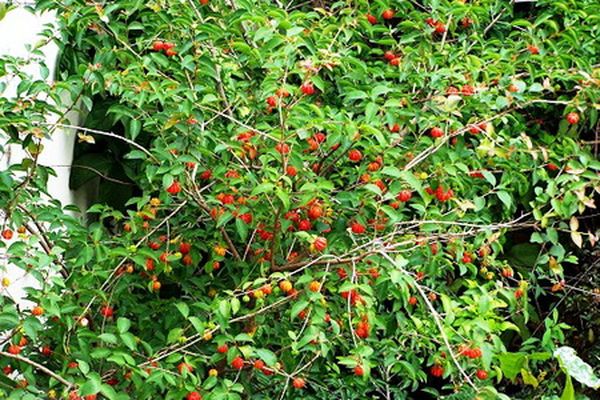
Growing cherries
The Surinam cherry thrives in dry climates. The tree is quite resilient to adverse conditions: it is undemanding regarding soil composition and tolerates short-term frosts or prolonged droughts. It's best to plant seedlings in sunny, draft-free areas; the soil should be fertilized beforehand. Further care for the tree involves only moderate watering; no additional maintenance is required.
Growing Pitanga indoors requires adequate light and annual spring repotting. The Surinam cherry prefers abundant (summer) and moderate (winter) watering with room-temperature water. It responds well to misting and tolerates formative pruning.
Pros and cons
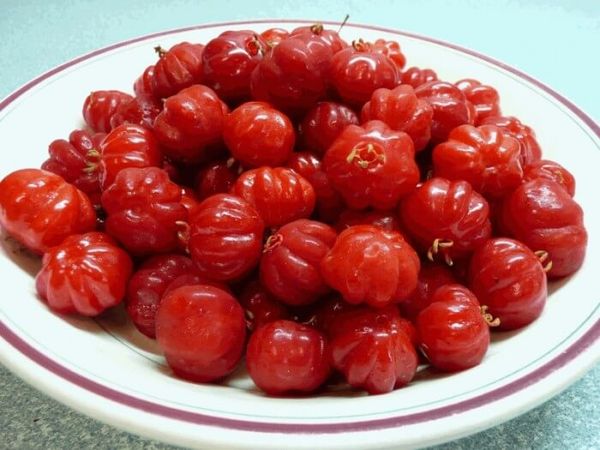
The tree's fruits are rich in fiber, vitamins, minerals, and trace elements. Regular consumption has a beneficial effect on digestion, has a mild laxative effect, improves intestinal motility, and promotes weight loss. People with food allergies, peptic ulcers, or gastritis should consume Surinam cherries with caution, as the fruits contain a high concentration of organic acids that can exacerbate these conditions.
Video "Suriname Cherry"
This video will tell you more about an interesting plant: the Surinam cherry.