
Cherry fly treatment times and control rules
Content
What is dangerous about this pest?
Before discussing how to combat the fruit fly, it's important to understand the characteristics of the species and why the insect's lifestyle harms the cherry tree.
The cherry fruit fly is an insect approximately 30–50 mm in length with striped wings and light green eyes. It resembles a common housefly in appearance. It lays small, ivory-colored eggs, which hatch into white larvae upon maturation. As the larvae grow and develop, they metamorphose into pupae, which then develop into male and female parasitic insects.
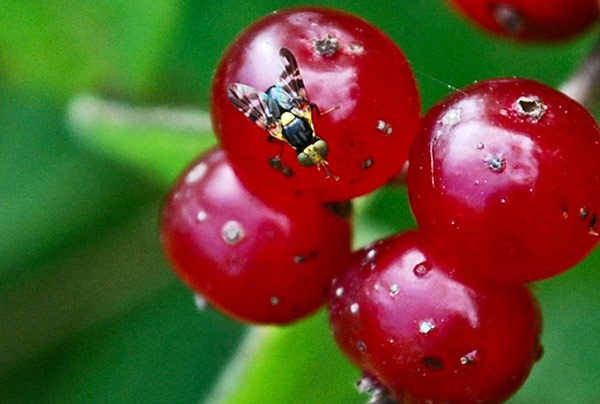
This species thrives in warm climates, preferring the southern regions of Ukraine and the Republic of Dagestan. There, it survives spring frosts as pupae, remaining in the soil. Once the soil warms (to 10 degrees Celsius), the pupae are ready to emerge. The peak of new emergence occurs in May-June, when still weak insects seek to strengthen their strength through the nutritious juices from leaves, stems and young branches.
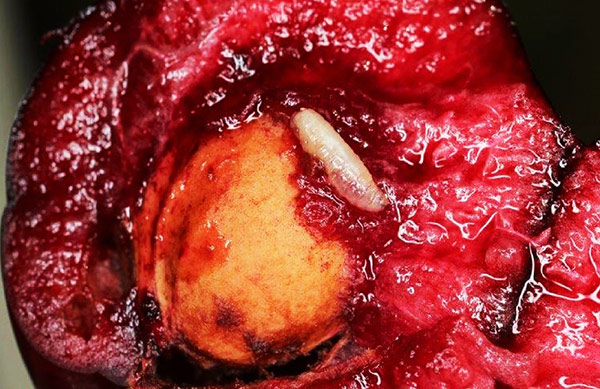
However, it remains unclear why the larvae end up in the fruit. The insect's reproductive cycle coincides with the emergence of the first unripe cherries. Females lay eggs in the cherries, and the hatched larvae begin to feed on the flesh. The entire cycle lasts approximately 32 days, during which time the worm manages to eat its way through the fruit and fall into the soil, where it transforms into a pupa and sleeps until spring.
Even a description of the cherry fruit fly's life cycle makes it clear why they damage fruit and the importance of controlling the cherry fruit fly. While feeding on cherries, the worms not only consume the pulp but also produce excrement, which decomposes the berries' interiors and turns them into a rotten mass.
Cherry and sweet cherry worm infestations are the result of a massive insect infestation, which can be detected early on. Looking at the berry, you'll notice black spots indicating where the fly punctured the plant's skin. These spots will then develop into pits and rotten spots, followed by large wormholes.
When to process
Chemical treatments can be started 20–25 days before harvesting, as the chemicals require time to break down all harmful compounds. The harvest is unfit for consumption until the cherry fly treatment period has expired.
Preventative measures to combat pests can be taken throughout the year, but it is especially important to do so in autumn and spring (the peak period of insect activity).
In spring and early summer, you should only use folk remedies, as they are safest for early-ripening varieties.
Methods of protection
When deciding what to treat the plant with and what to do to protect your cherry tree, you should know the ripening dates of your variety and choose which control method you prefer—folk, mechanical, or chemical. However, regardless of the treatment, a number of agronomic treatments and preventative measures should be carried out, including:
- from spring to autumn, the soil should be loosened at least 15 times, and deep digging should be done 3 times;
- It is recommended to spray not only the trunk and branches, but also the root soil with protective agents;
- timely harvesting of the entire crop will protect the cherries from rotting, which is a good environment for the development of cherry fruit flies;
- regularly remove fallen leaves and dry branches from under the tree;
- fight other parasites and infectious diseases.
Keep in mind that cherry and sweet cherry trees can be protected from cherry fruit flies by the characteristics of the variety: early-ripening varieties produce fruit on days when the larvae have not yet hatched from the eggs.
After carrying out treatment and preventive procedures, you can begin using other means of pest control.
Traps
Traps are used both in spring (during the early stages of insect development) and in summer (during egg laying).
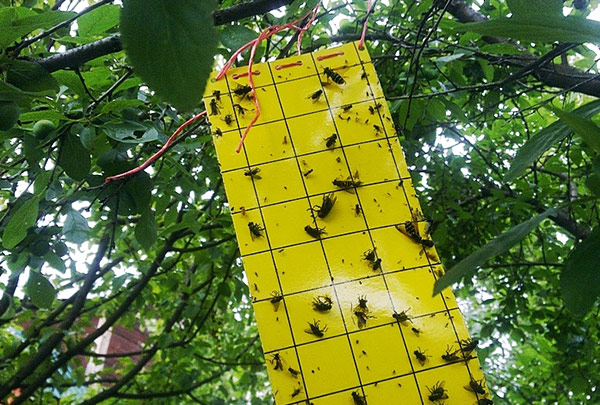
There are two types of traps: liquid and glue. Both types can be made at home. Mechanical traps are hung from tree branches.
A liquid trap typically involves using an empty container (like a can of food or paint) with the top of a plastic bottle placed over it. The jar is then filled with a sweet-smelling liquid (like soda, compote, or kvass). The fly enters through the spout and is unable to escape.
Glue traps are made more simply: a sticky substance is applied to any object, and this object is hung from a branch.
Chemical treatment
You can spray the cherry tree with light insecticides: "Actellic", "Phasis", "Iskra", "Molniya". Cherry trees treated with the pesticide will not be harvested for three weeks. Treatment is carried out using a spray bottle. To prevent pests from developing resistance to the treatments, alternate the treatments.
Effective infusions
In mid-spring, covering the tree with agrofibre is effective, and after the pest appears, the tree can be sprayed with infusions of strong-smelling herbs - garlic, pine needles, wormwood.
Prevention, good care and timely action are the key to effectively curing a tree from the cherry fly.
Video: "Cherry Blossom Fly Control"
To prevent your cherry crop from being damaged by pests, take the necessary measures in advance. Learn how in the following video.