
A Review of the 15 Best Felt Cherry Varieties
Content
Natalie
The Natalie cherry tree produces the largest berries. The tree is low, but has a lush crown. The leaves are small, and the flowers are large and pink. The average cherry weighs 4 grams. However, in a fruitful year, when the tree is covered with berries, the berries noticeably decrease in size.
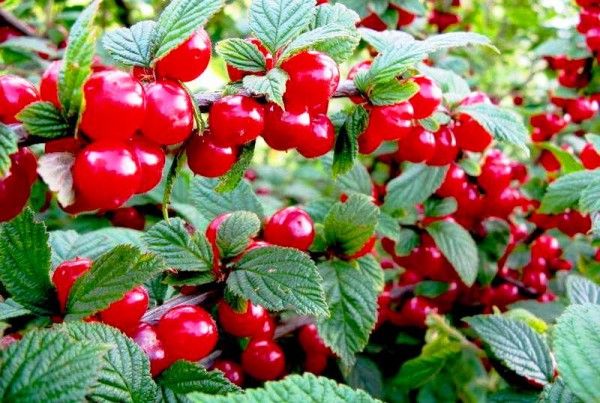
Natalie blooms in the second half of May. The first harvest, if the seedling is grafted, can be expected within two years of planting. Several trees should be planted at once or near plants that bloom at the same time, as Natalie requires a pollinator. The tree is resistant to coccomycosis and clasterosporium, life expectancy is up to 20 years.
Princess
The Tsarevna felt cherry is cold-hardy and requires little care. It's sometimes known in nurseries as "Tsaritsa." The tree reaches no more than 1.5 meters in height. Its crown is spreading and has a wide oval shape. The flowers are white and the leaves are small. A single tree can yield about 10 kg of berries, although the plant reaches its full useful life after 15 years. Other felt cherry varieties can pollinate the Tsarevna.
Alice
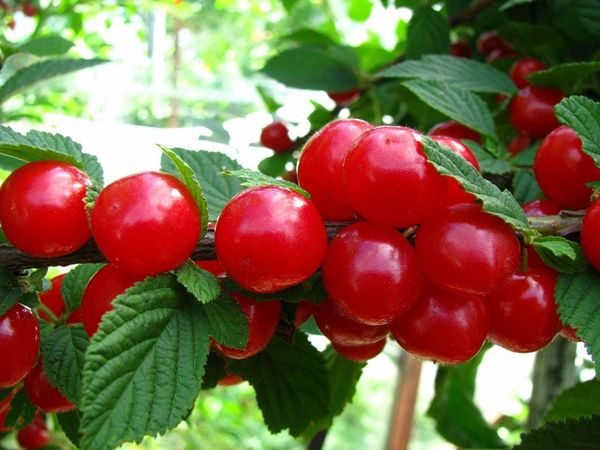
The Alisa felt cherry variety produces attractive berries with juicy flesh and a sweet, slightly tart flavor. The self-sterile plant is drought-resistant but does not tolerate excessive moisture. Overwatering can result in moniliosis. The yield is quite high—up to 8.5 kg of berries per tree. The bush lives for 17 years.
Summer
Cherry trees include both self-sterile and self-fertile varieties, including Leto. The bush is compact and the fruits are large. However, compared to other felt cherries, Leto is characterized by slow growth. The fruit color is uneven, and after ripening, the berries remain for a long time. A single bush can yield up to 7 kg of cherries.
Firework
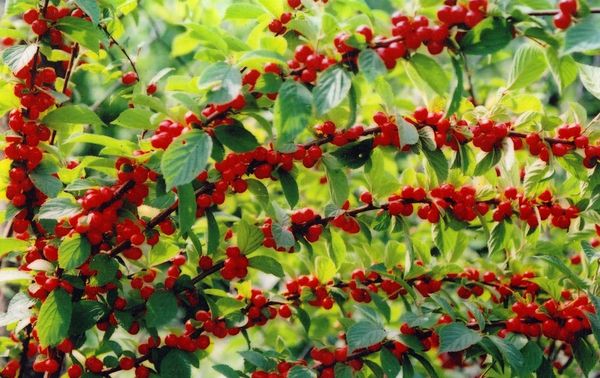
A low-growing tree that doesn't require frequent watering, the Salute felt cherry is considered a long-lived variety. With proper care, it can yield a large harvest—up to 11 kg per tree. The skin is pink, and the sweet and sour flesh is a rich red. The berries ripen between July 20th and 25th. The variety's advantages include:
- high productivity;
- simultaneous ripening of fruits;
- resistance to low temperatures.
The only drawback is that the stone is difficult to separate from the pulp.
Morning
The main advantage of the Utro variety is its resistance to bacterial diseases. The bush grows quickly and is frost-resistant. Its medium-density crown is easy to care for. The berries are small, but firm and delicious.
Fairy tale
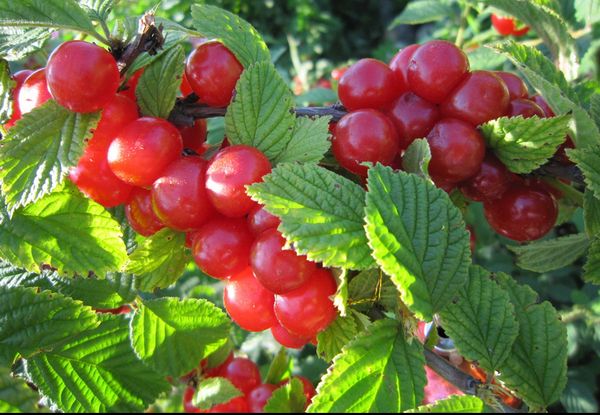
Experts consider the Skazka cherry variety to be the best. The burgundy fruits have a sweet and sour flavor. The plant is resistant to drought and frost. Overwatering can cause the berries to become infected with monilinia. A bush just 1.3 m tall yields up to 10 kg of fruit. All the berries ripen simultaneously between July 15th and 20th. Grafted Skazka seedlings begin to bear fruit within two years of planting.
Delight
The felt cherry tree called "Vostorg" is characterized by a dense crown that requires frequent pruning. However, this variety produces large, juicy fruits. The harvested fruit can be stored for a long time under favorable conditions. The berries ripen simultaneously around the twenties of July.
Ocean Virovskaya
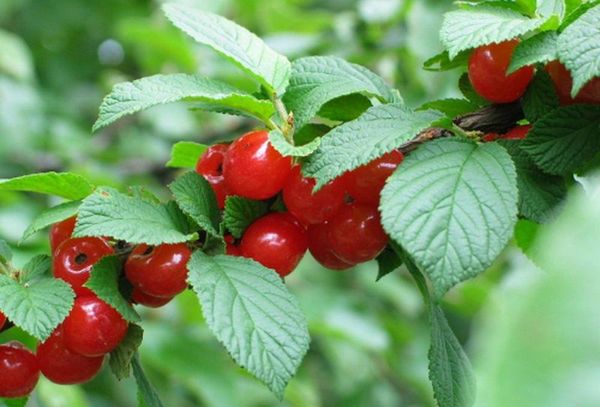
This Okeanskaya felt cherry variety is considered a tall-growing variety. The average tree reaches 1.8 meters in height, and in warmer climates, its height increases by another meter. The berries are small, but very attractive and sweet. Interestingly, the fruits of the Okeanskaya Virovskaya variety do not have the typical cherry aroma. The bush requires pollinators and lives up to 17 years.
Damanka
The felt cherry, also known as Damanka, bears fruit only in the first half of August. Its dark color makes it look very similar to sweet cherries. It is distinguished by its excellent yield and outstanding flavor. At least two pollinators must be planted nearby, as this variety is self-sterile. With proper care, a single tree can yield up to 10 kg of fruit.
Children's
The tall cherry bush, "Detskaya," reaches up to 2 meters in height. The tree begins blooming in May and bears fruit in the second half of July. The berries are firm, sweet and tart, and quite large. This long-lived tree requires pollinators.
It should be noted that the Autumn Virovskaya felt cherry also meets these characteristics.
Dark-skinned
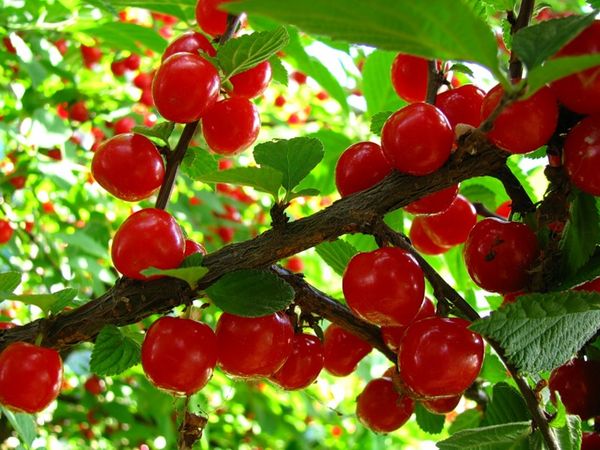
The self-sterile cherry variety Smuglyanka has a growing yield. Noticeable growth is observed by the age of eight. The berries, although small, are pleasantly flavorful. The variety is resistant to severe frosts.
Anniversary
The Yubileynaya variety doesn't require much description. It's characterized by rapid growth and excellent yields. The fruits have excellent flavor. Its only drawback is self-sterility, but this problem can be solved.
White
The White Cherry is a unique variety, the only one of its kind in the world. It fully lives up to its name, being white both inside and out. The albino variety isn't the most appealing in terms of flavor; it's more suitable for growing in the garden as an exotic specimen.
Gorgeous
This variety adapts well to severe frosts, but does not transport well. The large fruits are covered with tiny hairs, giving the appearance of being double-flowered. The yield is high, and this cherry variety also makes a delicious preserve.
Video: Caring for Felt Cherry
This video will show you how to care for felt cherry trees.