
Top 9 cherry varieties for growing in the middle zone
Content
Early
Depending on the growing region, there are different criteria for naming varieties based on ripening speed. In addition to harvest date, when choosing a variety for planting, one should also consider the planting purpose, yield, climate requirements, and self-pollination ability.
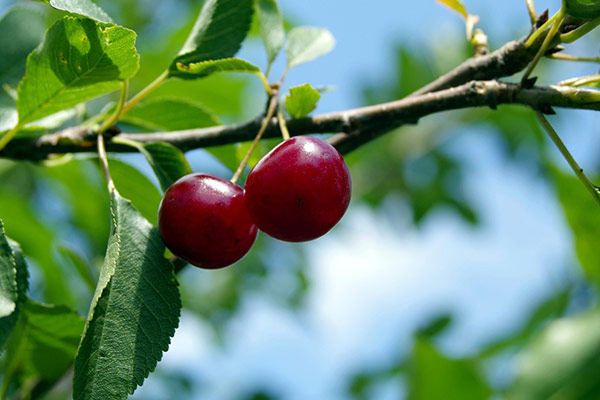
Early cherry varieties for central Russia ripen in June. The most popular early varieties currently include Nezyabkaya, Dessertnaya Morozovaya, and Annushka.
Not chilly
A representative of the steppe cherry, Nezyabkaya shrubs grow over two meters tall, with a crown nearly 150 cm wide. The tree's branches are covered with fine green foliage, and the fruits are small and red. The taste of Nezyabkaya cherries is sweet, but with a hint of sourness, which is why this variety has become popular not only as a dessert, but also as a filling for pies and cakes.
As its name suggests, this variety is winter-hardy. Furthermore, Nezyabkaya is distinguished by its high fruiting rate, which begins only four years after planting, and its long lifespan (up to 30 years). However, this variety is not self-fertile, so it is recommended to plant pollinating varieties nearby.
Morozova's dessert
A wonderful cherry variety for central Russia is the Morozova Dessertnaya. It is a new variety, having been developed in 1997 by breeder Tamara Morozova. After Dessertnaya passed all tests and was added to the State Register, it began to spread throughout Russia.
Morozova's Dessert is a medium-height tree with a wide, spreading crown. The foliage is matte and light green. The cherries are very large, almost the size of sweet cherries, burgundy in color, and sweet in flavor.
Morozova's Dessert cherry is partially self-pollinating, so to ensure 100% fruiting, other cherry varieties are planted. Nevertheless, this variety produces good annual harvests, is frost-hardy, and is resistant to almost all fungal infections.
Annushka
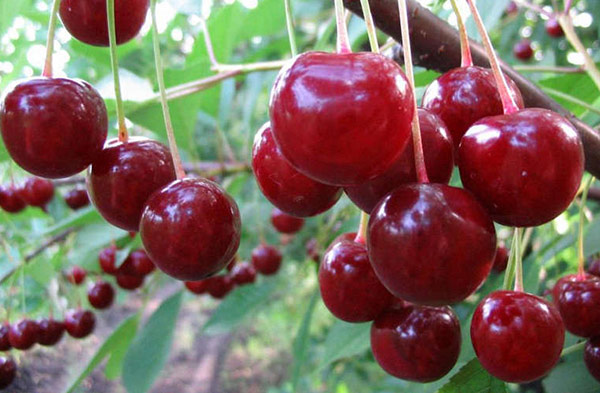
Another new variety of tree cherry, Annushka was bred in 1993 and gained popularity for its low maintenance and fruitfulness.
The tree is medium-sized with a spreading, broad crown. Annushka produces fairly large fruits, and the overall yield is generous—around 30 kg. The cherries of this variety are sweet, have firm flesh, and are covered with a thick, red skin. Furthermore, the fruits are easy to transport and store for a long time.
Annushka is a frost-hardy variety, undemanding, and self-pollinating. However, experienced gardeners recommend planting cherry trees nearby, as this can increase the tree's fertility by 1.5 times. Another advantage is its resistance to coccomycosis.
Average
In addition to the above criteria, when choosing a variety for planting, it's recommended to consider the size of the tree you can afford in your garden. In urban areas, steppe cherries, which can even be grown under the balcony of a multi-story building, are considered the best choice. These varieties are short in stature and take up little space in the garden.
The early-ripening bush variety, Nezyabkaya, was mentioned above. However, there are many worthy representatives among the mid-season varieties, ripening in early July.
Vole
The self-pollinating Polevka variety was first mentioned in I.V. Michurin's 1949 work, "Results of Sixty Years of Work." The species itself had been developed almost a quarter of a century earlier and was described in detail: it is frost-resistant, produces an annual harvest, and is completely indiscriminate in its habitat. The Polevka can root even in the driest and most infertile soils.
The fruits are bright burgundy, medium-sized, with soft, sweet-tart flesh. Michurin himself recommended the variety as a decorative and protective hedge around windward fields.
Nizhnekamsk
Nizhnekamsk cherry is a fruiting shrub growing up to two meters tall. It was developed by breeders in Tatarstan and added to the state register in 1988.
Nizhnekamskaya is a partially self-fertile variety that tolerates winter cold and poor soils well. This low-growing shrub produces small, non-transportable fruits that delight with their pleasant flavor. Regardless of how many times this variety bears fruit in its lifetime, it produces abundant harvests.
Lighthouse
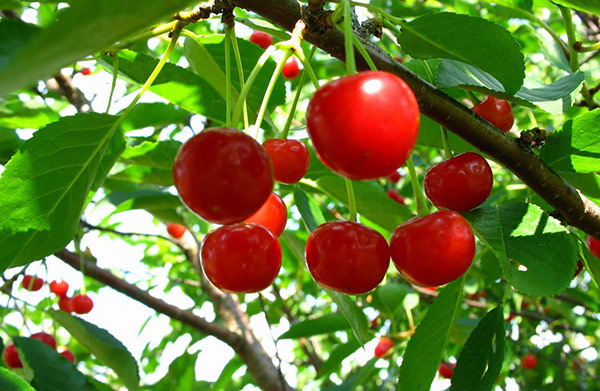
Mayak is a little-known variety developed in Sverdlovsk by breeders S. Zhukov and N. Gvozdyukova. This variety isn't known for its tolerance to severe frosts, but it compensates for this with very large, vibrant berries and a superb dessert flavor.
The shrub itself is medium-sized (up to 2 m) and partially self-pollinating. The plant is noted for its longevity and the ability to produce fruit for 30 years.
Late
When choosing a variety, it would be a good idea to pay attention to its resistance to diseases and pest infestations. This is important if you are not ready to devote additional time to the plant, carrying out preventative treatments or timely pruning.
Late cherry varieties, whose ripening period occurs from mid-July to the end of August, are also not without this criterion.
Menzelinskaya
A tall steppe cherry tree with a drooping crown and abundant fruit production. A single harvest can yield up to 11–12 kg of berries, which have a pleasant, fresh flavor and an attractive appearance.
Menzelinskaya isn't the most frost-hardy variety, but it is resistant to coccomycosis and most other fungal diseases. Furthermore, Menzelinskaya tolerates drought well. It is self-sterile.
Youth
The Molodezhnaya cherry, bred by H. Yenikeev and S. Saratova, performs well across all parameters. In addition to being a tree-like variety with a short stature, it produces good yields of sweet, juicy berries. Menzelinskaya's fruits can be found not only on the table but also in many food products. This tree is capable of self-pollination and has good immunity to infectious diseases.
Turgenevka
The variety was bred in 1974 for the central and northern regions of the country.
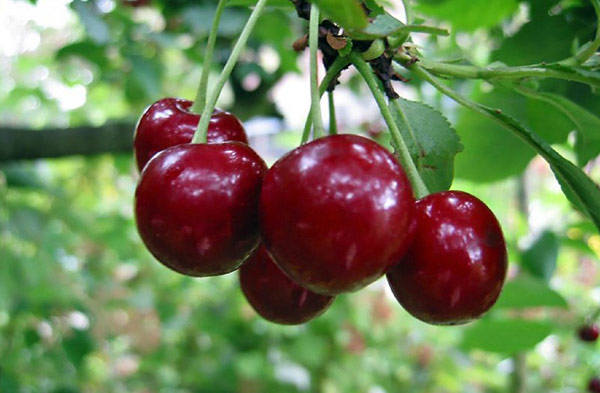
Turgenevka can withstand extremely low temperatures (down to -40 degrees), while still producing large, sweet, burgundy-colored berries.
Turgenevka's fruits are a delight both fresh and processed, especially since this tree produces abundant fruit annually. The tree is medium-sized and resistant to fungal infections.
Video: "How to Get a Good Cherry Harvest"
Many gardeners face the problem of poor cherry fruit production. This can occur even with good cherry varieties and proper gardening practices. The following tips will help you avoid this problem.