
Top 8 Frost-Resistant Cherry Varieties for Siberia
Content
Sargent
The cherry tree is a classic Far Eastern variety, native to Japan, China, and Korea. It is a relative of the winter-hardy felt cherry. This variety was introduced to Russia later, but thanks to its excellent frost resistance (it can withstand temperatures below 30°C), it has become very popular among gardeners in the Siberian region.
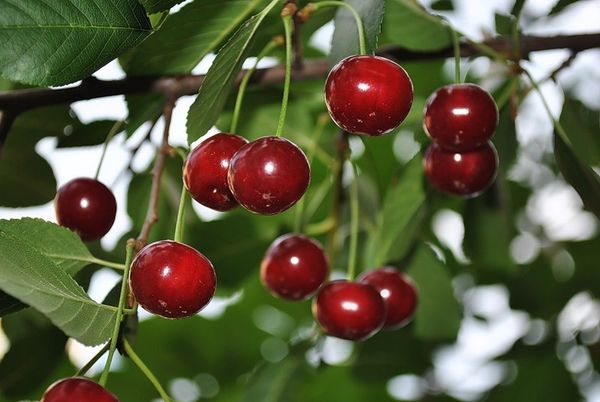
The tree is characterized by an unusual bushy habit and a simple, yet rather tall, structure. Sometimes, the cherry tree grows up to ten meters. Thanks to its various shapes, the plant is a magnificent ornamental tree: these trees will decorate not only the garden but also the surrounding area. This variety is characterized by early flowering (end of April) and the tree’s resistance to frost and temperature drops during this period. The fruits ripen towards the end of summer. The berries are a distinctive red color, about one centimeter in diameter. They have a slightly bitter taste, making them better suited for preserves, marmalades, and compotes.
Altai swallow
One of the most common winter-hardy varieties in Siberia. It was developed from shrub cherry (steppe) seedlings. It is bushy and low-growing, reaching about one and a half meters in height, with a dense, round, yet compact crown. It requires regular preventative pruning: excessive density affects yield and is prone to various fungal diseases.
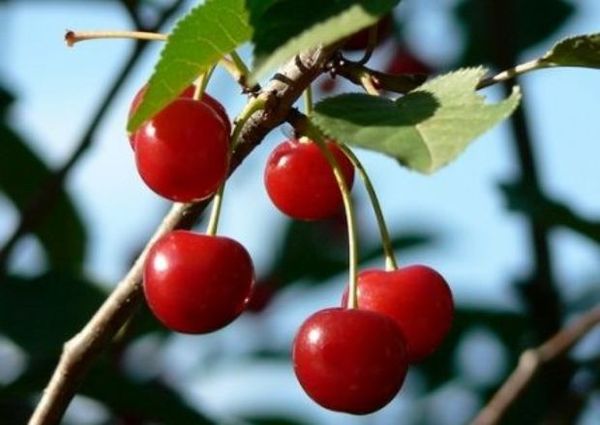
The berries are medium-sized, deep red, and have firm, juicy flesh. Their pleasant flavor makes them suitable for fresh consumption and canning. They ripen in late July. They do not withstand long-distance transport, so it is recommended to process them after harvesting. Since the tree is self-sterile, it is recommended to plant it among other pollinating cherry trees.
Sakhalin
A wild variety, it's easy to grow and requires little care. Its attractive appearance and ease of cultivation have made it widely popular. The trees are very tall, sometimes reaching over 20 meters, but don't require constant pruning or fertilization. The plant tolerates temperatures as low as 40°C below zero. The wild variety doesn't produce good yields. However, hybrids created by crossing Sakhalinskaya with other varieties have excellent characteristics: good growth rate, frost resistance, and high yields. These hybrids produce abundant, sweet berries.
Sverdlovsk resident
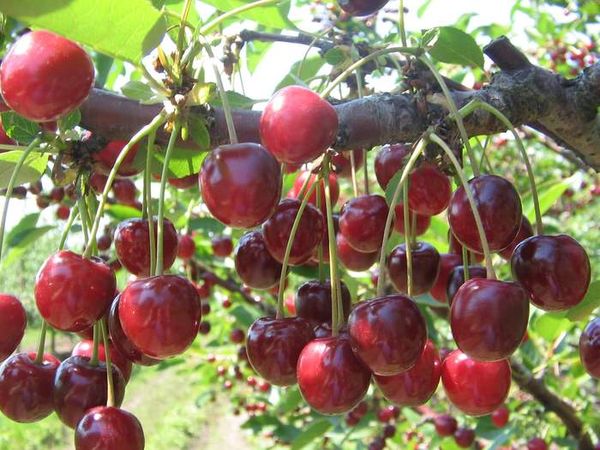
Another popular variety among Siberian gardeners. The trees are fairly short, reaching approximately two meters in height, with a very dense crown that requires regular thinning and pruning. The yield is average. The fruits ripen by mid-August. The berries are very tasty and fleshy, with a slight tartness that perfectly complements the flavor.
They ripen for fruiting early; well-grafted cuttings produce fruit by the third year. Cherry trees are easy to care for and disease-resistant.
The plant's frost resistance allows it to tolerate low temperatures and develop quickly in the spring.
Michurin's vole
This variety was developed through selective breeding of steppe cherries. Its distinguishing feature is its good tolerance of late spring frosts. It has an unusual crown with drooping branches, which requires periodic inspection and pruning. Otherwise, it is quite low-maintenance. The berries ripen in early August. The bright red fruits are sweet and tart, medium in size. Despite their small size, they produce a relatively high yield.
Lighthouse
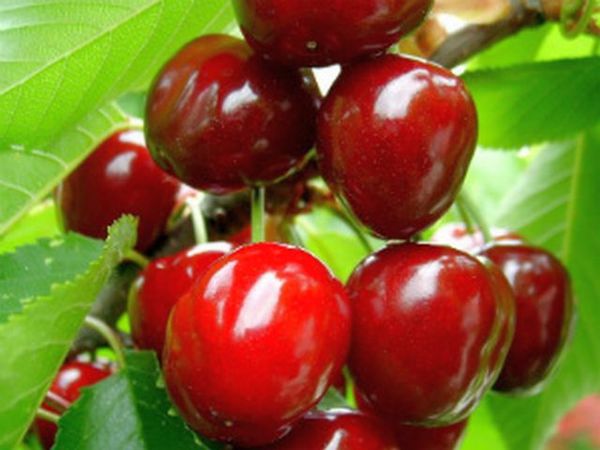
The berries of this variety have excellent flavor, which is precisely why the tree quickly gained popularity. The trees are small with a spreading crown. Regular pruning is necessary to prevent various diseases. Proper care guarantees a high yield. The berries are large, weighing over 5 grams, and are dark burgundy in color. The flavor is reminiscent of cherries: very sweet with a subtle hint of tartness. The harvest is in midsummer, although the ripe berries hold firmly and do not fall off.
Irtysh
A low-growing, frost-hardy variety. Drought-tolerant. This cherry variety is partially self-fertile, but pollinates well even with pollinator trees planted at a considerable distance. It has a bushy habit with a spreading, drooping crown. The berries ripen in the second half of July. The small, light red fruits with orange hues have juicy yellow flesh.
However, despite its excellent winter-hardiness, the variety is not particularly popular: the berries are sour and can only be eaten processed, and the tree is highly susceptible to fungal diseases.
Ural
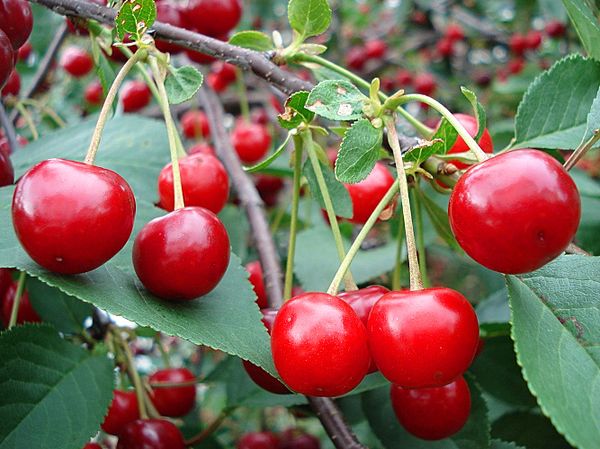
A cherry variety common not only in Siberia but also in the Urals. It grows as low, compact bushes. It blooms late, in early June, but ripens quickly by mid-August. It produces a high yield. The berries are exceptionally tasty and sweet, and are versatile.
Since cherry trees are self-sterile, it's best to plant them near other varieties that are optimal for pollination. Another popular frost-hardy cherry, along with the Uralskaya, is the Ognevushka. Unlike the Uralskaya, the Ognevushka is self-fertile, so they can be planted together. This cherry variety has a classic sweet-and-tart flavor and juicy berries, as well as a high yield.
We've presented the best cherry varieties for growing in cold climates. We hope this information helps you make the right choice.
Video: "Cherry Tree Care in Siberia"
This video will teach you how to care for cherry trees in Siberia.