
The best cherry varieties for growing in the garden
Content
Self-fertile varieties
Self-fertility is a very useful quality, thanks to which a tree produces fruit without other pollinators.
Apukhtinskaya
Besides being self-fertile, Apukhtinskaya boasts an early fruiting season: just the second year after planting. The berries are heart-shaped, large, and have a pleasant, harmonious flavor. They ripen around mid-August. Positive characteristics include resistance to low moisture and low temperatures. It also has weak immunity to fungal infections.
In Memory of Yenikeev
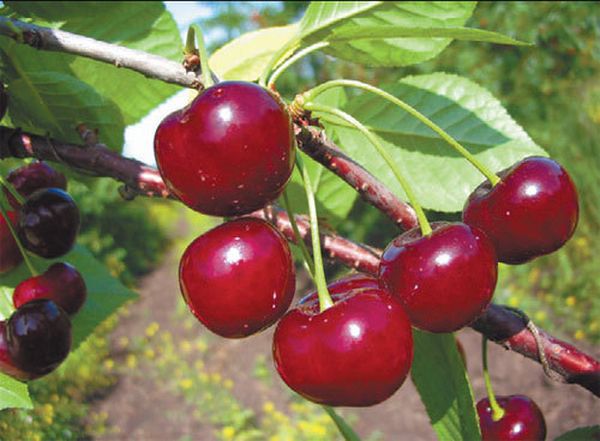
This variety is distinguished by its delicious, juicy fruits weighing up to 5 grams. The berries are oval, with a dark, almost burgundy, skin. The seeds are large. They ripen in late June.
The crown reaches 3 meters, with a low density. One tree produces approximately 15 kg of berries per year. It has average tolerance to low moisture and frost. 'Memory of Yenikeeva' is recommended for the Samara region.
Like the cherries Khutoryanka, Vyanok and Rastorguevskaya, it is a self-fertile variety.
Early varieties
As a rule, early cherry varieties are distinguished by excellent winter hardiness.
Chocolate Girl
The rich burgundy hue of the berries truly resembles chocolate. The typical sweet and sour flavor is complemented by a slight bitterness. The flesh is firm. Weight: approximately 4 g. Around mid-July, gardeners begin to harvest their crops en masse, but the first berries ripen earlier.
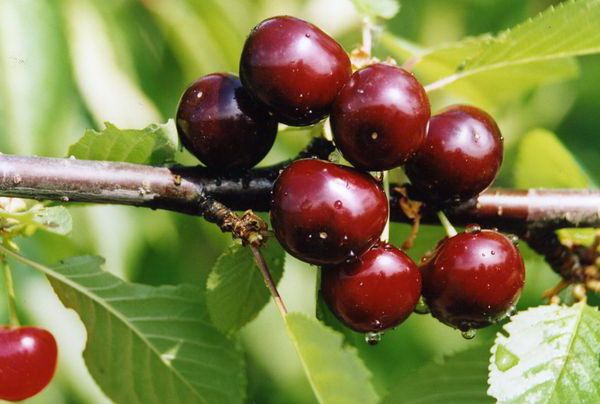
Shokoladnitsa has good resistance to low temperatures, many diseases, and drought, but requires a lot of light. It is partially self-fertile, but the presence of pollinators significantly increases yield.
If you select a well-lit area for the plant, it will produce up to 12 kg of berries per year.
Suitable for growing in the Central Black Earth Region.
Shpanka
This variety was created by crossing sweet cherries and sour cherries. The berries weigh approximately 4 grams. Although the Shpanka tree begins bearing fruit late (at 6-7 years of age), after 20 years it produces up to 60 kg of berries per year. Caution: excessively abundant fruit production can cause branches to break.
The variety has excellent frost resistance and the ability to withstand drought.
Youth
Like almost all early-ripening cherry varieties, Molodezhnaya produces berries with a noticeable tartness. The tree has a slightly weeping, low-growing crown. Fruiting begins at age five. The berries typically form on the previous year's wood. Like Livenskaya and Putinka, this variety is well suited to the Central Black Earth Region.
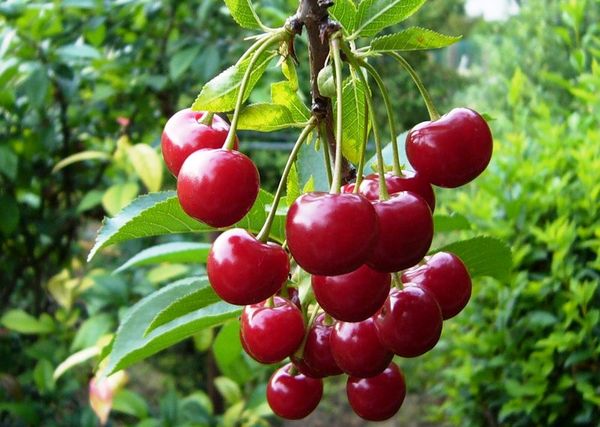
The berries weigh up to 4.8 grams, and the skin is almost black. The cherry pit is easily removed. Like the Crimson cherry, home cooks often use them for freezing, making preserves, and jellies.
Miracle Cherry
The variety is described as follows: a tree-like, medium-sized variety. The crown needs to be trained, otherwise fruit will only set at the top. Fruiting begins at age three. Frost-resistant, with good disease resistance.
According to connoisseurs, this is one of the sweetest cherries. The berries are large, up to 9.5 g. This cherry is very early-ripening: the first fruits can be enjoyed as early as early June.
Baby
This cherry variety produces beautiful dark berries with a balanced flavor. They weigh approximately 5 grams. The pit is easily removed. They fully ripen in late June. They are easy to transport, making them suitable for commercial cultivation. They bear some resemblance to the fruits of Zaranka, a variety grown in Belarus.
The baby variety is frost-hardy and highly resistant to fungal infections. Yields up to 17 kg per year.
Early varieties also include such varieties as Sklyanka Rosovaya, Karyanaya, Zaranka, Modnitsa.
Mid-season varieties
Are you a gourmet and want to know which cherries taste best? Many people agree that mid-season cherries are the best. This type of cherries begin to produce fruit in mid-July.
Vladimirskaya
An ancient and popular variety. The fruits are almost black, like those of the Volzhskaya cherry. They weigh up to 3.7 g. The flesh is sweet and sour. They ripen in late July. They tend to fall off.
After planting, the first harvest will take three years. Resistance to bacterial infections and insect pests is low. The best yield is in central Russia: up to 25 kg of berries per tree. In northern regions, the yield is lower: 6–7 kg.
There is also a productive hybrid of Vladimirskaya and Morelya early, which is called Troitskaya mid-season cherry.
Zhukovskaya
Zhukovskaya's fruits are known for their exquisite flavor, tenderness, and juiciness. They weigh up to 4 g. They are heart-shaped and dark in color. They have average transportability.
Due to its frost resistance, it is suitable for northern regions. Skazka, zoned for Ukraine, is somewhat similar to Zhukovskaya.
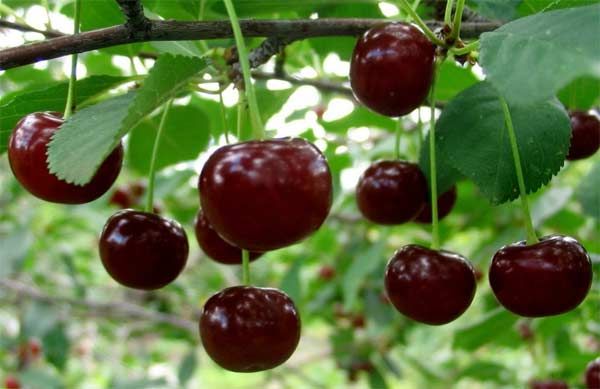
Kharitonovskaya
Kharitonovskaya is distinguished by its red-skinned fruits and unusual orange flesh. The taste is sweet with a harmonious tartness. The flesh is tender. The free stone is medium-sized.
Average frost resistance, high immunity to infections.
Turgenevka
The tree is winter-hardy but tolerates recurrent frosts poorly. It is not self-fertile. Turgenevka has high disease resistance. Fruits weigh up to 6.5 g, are heart-shaped, dark, and juicy. The berries form on cluster webs.
Fruiting occurs relatively late: starting from 5–6 years.
Morozovka
The fruits weigh up to 5.5 g and have a rich dessert flavor. The pit is easily removed. They can be eaten fresh or processed. Suitable for commercial cultivation due to their excellent transportability. Morozovka is not self-fertile. It is frost- and drought-resistant and has good disease resistance.
Mid-season varieties also include Volzhskaya, Prichuda, Vyanok, Livenskaya, Putinka, and Kudryavaya.
Late varieties
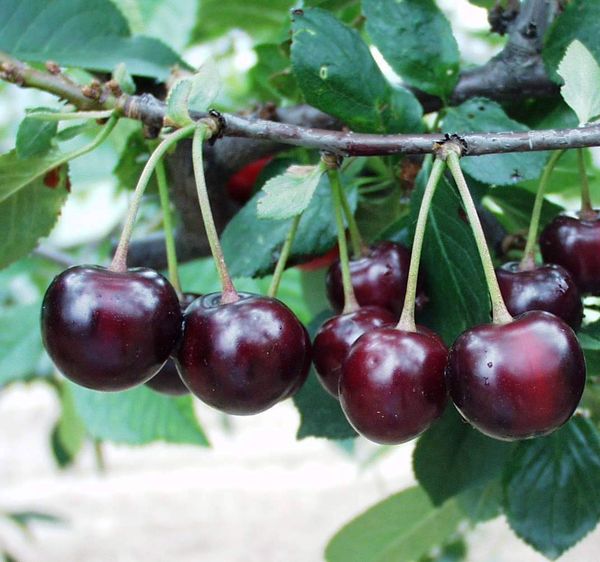
Late cherry varieties will spoil you with a harvest at the end of summer, and sometimes at the beginning of autumn.
Lyubskaya
Lyubskaya prefers warm regions and is zoned for central and southern Russia. It can be grown in the Central Black Earth Region. It is partially self-fertile.
The berries are transportable and used primarily for processing. Yield depends, among other things, on age: a young tree can yield up to 26 kg of berries, while a mature tree can yield up to 60 kg.
Suitable for the Saratov region.
Generous
The berries weigh up to 4 g, are scarlet, have a pleasant flavor, and are free-seeded. They have a good marketable appearance. The first harvest occurs 3–4 years after planting.
This cherry tree has a bushy habit, with upward-growing shoots. It produces high yields annually. It is frost-resistant, including spring frosts, insect pests, and drought, but is susceptible to disease.
Robin
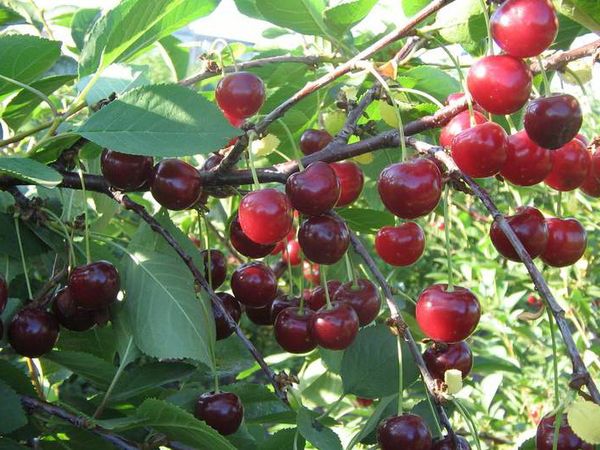
Many appreciate Malinovka for its excellent yield. The berries are round, weighing 3–3.5 g. The tree is medium-sized, has average cold tolerance, and is resistant to diseases. It is not self-fertile.
Late varieties also include the Meteor and Rusinka cherries.
Large varieties
Although these varieties are somewhat capricious and demanding in terms of care, their advantage lies in the excellent dessert flavor of their fruit. Let's look at old and new cherry varieties with large berries.
Consumer goods Black
The fruits are almost black, juicy, with tender flesh. The pit separates easily. The yield is moderate. Low frost resistance.
Thanks to their refined taste, the Balaton cherry and the Melitopol dessert cherry, a Ukrainian-bred cherry, are somewhat similar to the Shirpotreb (Shirpotreb).
Volochaevka
The tree is medium-sized and bears fruit annually, producing a high yield. Volochayevka's berries are juicy and sweet, with almost no tartness. They ripen in mid-July. They are prized for their exquisite dessert flavor and easily separated pit.
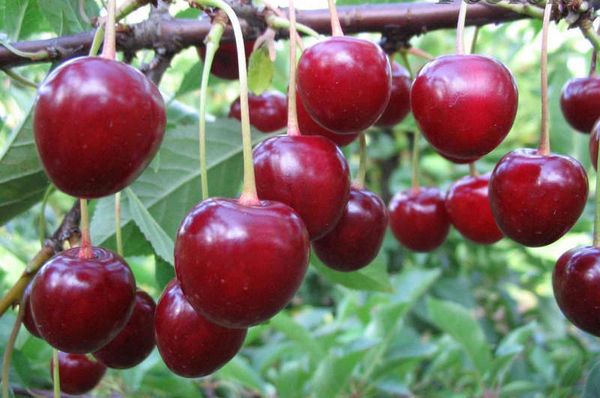
Average winter hardiness. Low resistance to spring frosts. Poor resistance to rot. This is a self-fertile variety.
Meeting
The variety is loved by gardeners for its very large fruits (about 10 g) with juicy, tender flesh.
Other important advantages include annual fruiting, immunity to harmful fungi, and the ability to survive cold winters. The Pamyat Voronchikhina cherry variety also boasts large berries.
Dwarf varieties
Dwarf cherries are very popular because they take up minimal space. They are also much easier to harvest. They typically grow to a height of no more than 2.5 meters.
Anthracite
The cherry grows up to 2 m tall. The berries have burgundy (almost black) skin, similar to the Balaton cherry. The fruits weigh 4–5 g, are easy to transport, and are very tasty.
Anthracite is very hardy, withstanding both frost and drought. When grown properly, it resists fungal diseases well.
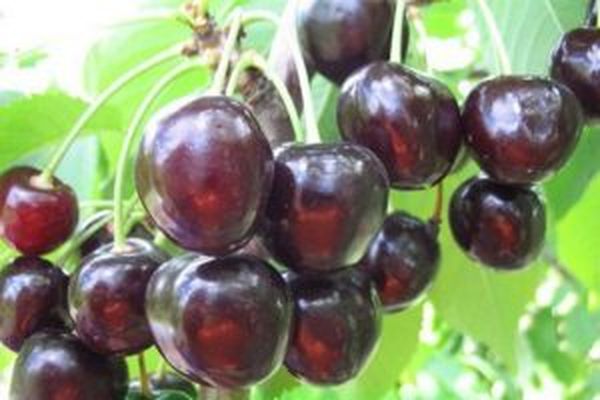
Bystrinka
The fruits are full of juice, sweet and sour, with firm flesh. The pit is easy to remove. Weight ranges from 3.5 to 4.2 g. They transport well.
Bystrinka has weak immunity to moniliosis and average frost resistance. It is partially self-fertile and suitable for the Ryazan region.
Mtsenskaya
A low-growing variety, up to 2 m. The fruits are burgundy, with an average weight of 4 g. They are most often used for processing.
The Mtsenskaya cherry is frost- and drought-resistant and has good disease immunity. Thanks to its charming appearance, it, like the Nezhnost cherry, is prized by landscape designers for creating greenery.
Dwarf varieties also include the cherries Plodorodnaya Michurin and Bagryanaya.
Video: Cherry Tree Care and Pruning
This video will show you how to care for and prune cherry trees.