
Cherry tree feeding rules for abundant fruiting
Content
When to fertilize trees
The first spring fertilizer for cherry trees is applied before flowering. It should contain urea or ammonium nitrate. The fertilizer should be liquid and applied to the tree trunks. For felt cherry trees, this should be the only nitrogen fertilizer of the year.
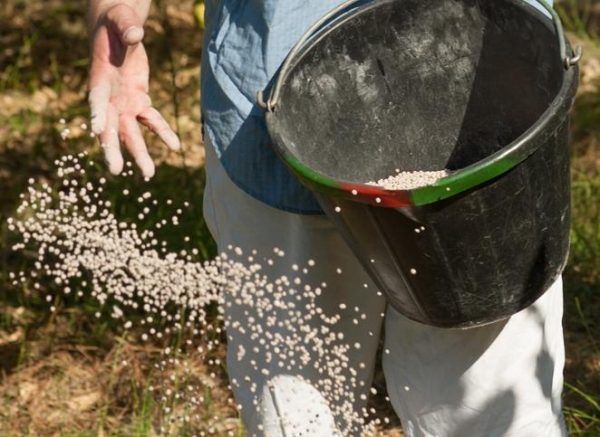
Spring feeding of flowering cherry trees should include both nitrogen and organic matter. Green manure or chicken manure produce good results.
The last time to fertilize a mature cherry tree in the spring is after it has finished blooming. This is typically around the end of May. This time, use only organic matter—compost mixtures or rotted manure. This is a key moment for a good harvest: the buds remaining after blooming begin to fill with sap, and now is especially important for them to receive nutrients. Fertilizer should be applied in liquid form, poured into the tree trunks if the spring was dry. Otherwise, it can be applied by digging.
In summer, when the harvest is ripening, the cherry tree needs to be fed with nitrogen-containing substances using foliar feeding. The first spraying is carried out in mid-July, then 2 more times at intervals of 2–3 weeks.
When the fruits are ripe, add organic matter (compost, humus, or green manure) to the tree trunks. If you planted green manure next to the cherry tree in the spring, you can simply mow it down and dig up the soil.
Cherry tree fertilization in the fall should occur after berry picking and pruning. The same applies to felt cherry. The soil should be enriched with mineral fertilizers—phosphorus, potassium, and calcium. At the same time, check the soil: if it's acidic, liming is necessary.
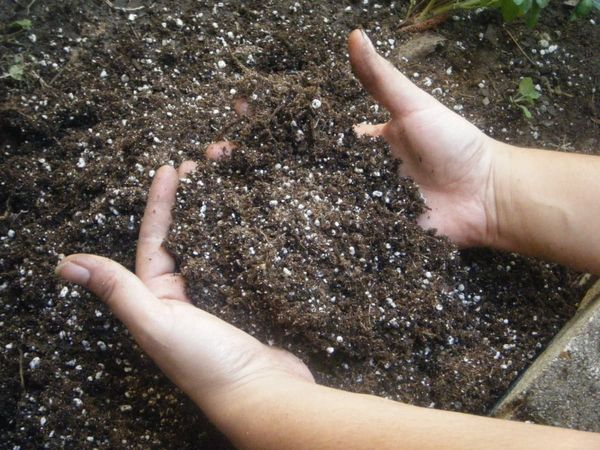
The final feeding should be done in winter, after the leaves have fallen. It should include potassium and phosphorus. Wood ash can be added to the soil (to a depth of about 8 cm).
Rules for applying fertilizers
Young and mature trees require different types and amounts of fertilizer.
Young trees
Before planting, check the soil's acidity. You can use litmus paper or aquarium pH strips. Cherry trees thrive in sandy loam soils with a pH of 7.0. If the acidity is higher, plant the tree only after treating the soil with lime, dolomite flour, wood ash, etc. Lime application should be done well in advance, preferably several months or more.
To ensure cherry or sweet cherry tree seedlings take root well, add a mixture of compost, humus (but not fresh manure, as it can burn the roots), and superphosphate to the planting hole. Potassium chloride can also be added to the planting pit.
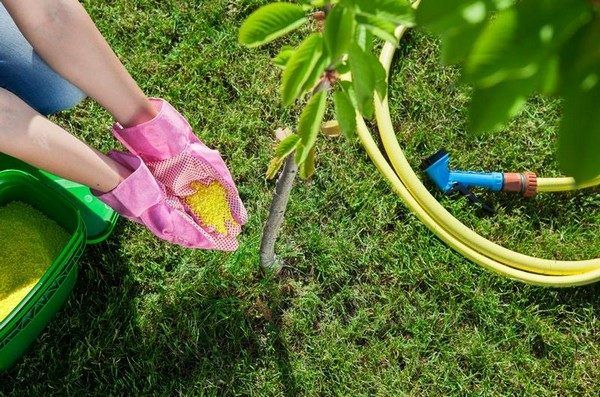
It is believed that newly planted trees do not require most fertilizers for 2-3 years, but experienced gardeners recommend monitoring young cherries: if during the growing season its growth is 30 cm or more, there is no need to worry, otherwise in the fall it is recommended to add double superphosphate (100 g) and humus (5 kg).
In spring, in any case, we give young trees 120 g of nitrogen, and put 10 cm of moist soil on top. Cherry tree care in spring should also include loosening the soil.
After 2–3 years, the fertilizer options expand. Young cherries should receive 150–200 g of urea in spring, and 100 g of potassium and 300 g of phosphorus in autumn. Approximately 20 kg of organic matter should be added annually.
Fruiting of young felt cherry is promoted by compost (6–8 kg per 1 sq. m) or a mixture of humus, 100 g of urea and 60 g of potassium sulfate.
Old trees
Proper cultivation of cherries after five years already includes all standard fertilizing. Fertilizers for fruit-bearing trees should include potassium salt, humus, and wood ash.
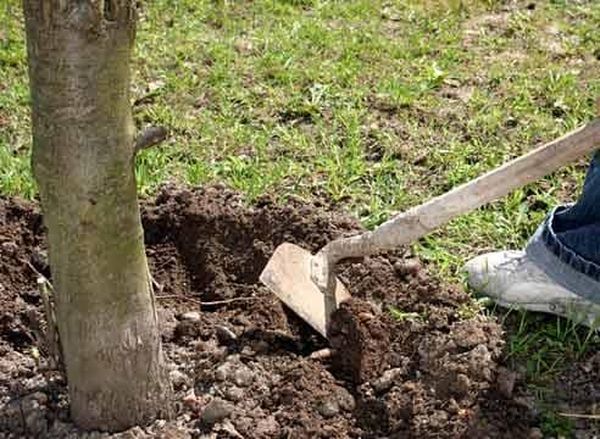
The root system must be able to absorb the applied fertilizers to prevent them from acidifying the soil. As the tree grows, the amount of fertilizer applied increases. At nine years old, a cherry tree should receive three times more fertilizer than in the first few years.
Types of fertilizers
Let's look at different types of fertilizers.
Organic
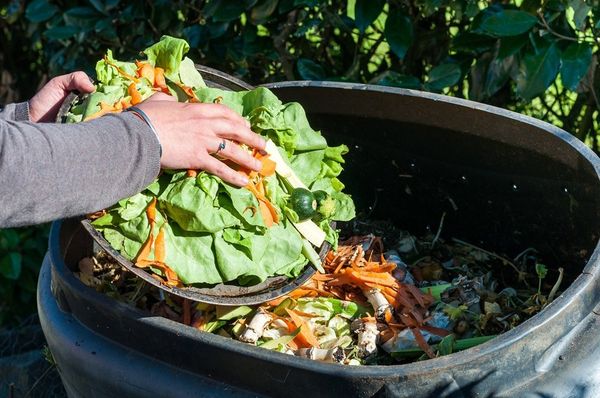
Using organic fertilizers increases tree yield and fruit quality. This includes compost, green manure, and chicken manure. However, the favorite organic fertilizer for cherries, plums, and other stone fruit trees is compost, or rotted manure. Fresh manure and manure should be used with caution: they can burn the roots, and excessive use will only cause harm.
Organic fertilizers also include green manures: plant compost, nettle and weed infusions (fermented naturally or with yeast), etc. Green manures, such as lupine, mustard, spring rape, and so on, are good for cherries. In summer, their roots loosen the soil, and in the fall, after mowing, they begin to rot in the ground, enriching it with nutrients. Furthermore, they require little maintenance.
Nitrogen
Spring feeding of cherries and plums should definitely include nitrogen fertilizers. These fertilizers ensure vigorous growth of shoots and leaves, or the green above-ground parts of the trees. Nitrogen fertilizers include urea, ammonium sulfate, and calcium nitrate. Granulated urea is convenient: after being incorporated into the soil, it continues to supply nutrients for a long time.
A nitrogen deficiency causes leaves to become pale and curled, and the crown to collapse. If you apply too much nitrogen, the leaves grow disproportionately large and lumpy, and numerous shoots are formed. In this case, nitrogen fertilization should be sharply reduced, especially in summer: excess nitrogen will delay fruit ripening, make the plant vulnerable to gray mold, and significantly reduce its frost resistance.
Phosphorus
Phosphorus is responsible for plant metabolism and is a source of energy. This substance is part of plant DNA and promotes flowering and seed formation, as well as root growth.
Fertilizers of this group include superphosphate (regular and double), ammophos, diammonium phosphate, and bone meal.
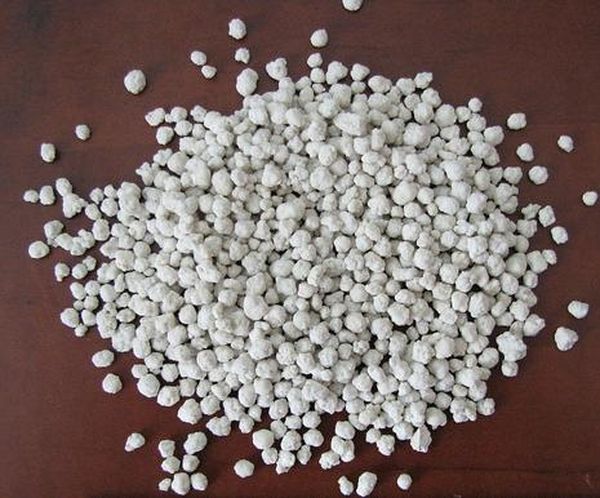
With a phosphorus deficiency, the above-ground portion of the plant first darkens, then takes on a crimson-purple hue, and the leaves begin to fall off. With an excess of phosphorus, the plant ages prematurely. The leaves turn yellow and develop necrotic spots.
Potassium
Potassium accelerates plant metabolism, making it more resilient to adverse conditions such as drought, low temperatures, and pathogens. Like phosphorus, it influences flowering, fruit formation, and root growth. A deficiency can cause tree growth to stall.
This group includes potassium chloride, potassium salt, potassium nitrate, etc.
A potassium deficiency causes leaf burns, curling, and wrinkling. Few buds form, and even with abundant flowering, almost all the flowers will fall off before setting fruit. An excess of potassium causes the plant to stretch disproportionately, becoming pale and spotted.
Video: Fertilizing Fruit Trees
This video will teach you how to properly fertilize fruit trees.