
Characteristics of the medium-sized cherry variety Nochka
Content
Description of the variety
The trees of this variety are small, reaching a maximum height of 3 meters. They have a broad, pyramid-shaped crown. The leaves are glossy, rich green, and larger than cherry blossoms. The inflorescence consists of 6–8 flowers. The plant blooms in May in early spring; if the season is cool and cloudy, flowering shifts to June.
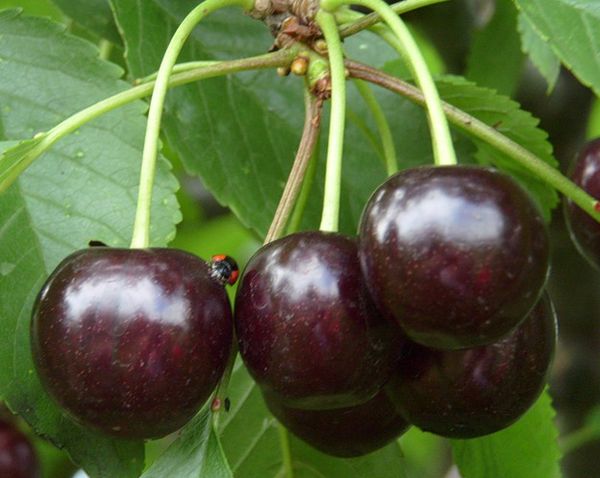
The hybrid cherry variety Nochka produces large fruits, weighing at least 7 grams each. The drupes are broadly heart-shaped and covered with a glossy, rich red skin. The cherry flesh is firm and juicy, with a cherry-like aroma and a sweet cherry flavor.
The fruit pits are medium-sized and separate easily from the pulp. The harvest, as the variety description states, ripens in mid-summer. Nochka tolerates transportation quite well. Its fruits can be shipped over considerable distances without losing their quality. A single tree yields no more than 10 kilograms of fruit. Therefore, it's not a high-yielding cherry. However, the limited quantity of fruit is compensated for by their quality.
Nochka berries have a slightly tart taste, but despite this, they have a wide range of uses. They are widely consumed fresh, dried, and frozen. They are also used to make jam, marshmallows, preserves, and canned goods.
Characteristic
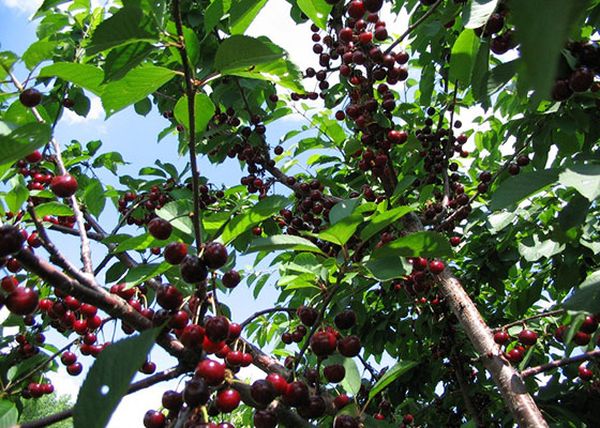
The Nochka variety emerged from the successful crossing of cultivars similar to their ancestors. Therefore, Nochka inherited a cherry-shaped crown and a sweet cherry-like branching pattern.
The Nochka, like the Cuban cherry, has unique characteristics. Its main characteristic is that it can set flower buds during the first year of growth. As a result, the plant begins flowering quite early. The first fruits can be enjoyed three years after planting. The harvest has a rich cherry aroma and a slightly tart flavor.
One of the Nochka's distinctive features is its smooth, even branches covered in brown bark. The buds resemble cherry buds, being firm and large. The plant blooms when warm weather sets in (usually mid-May). If the cherry tree is grown in cooler conditions, flowering can begin as late as late June.
Although Nochka isn't as tall as Igrushka, it's highly resistant to most diseases and tolerates frost well. Therefore, this variety can be successfully cultivated in northern regions, where climate conditions are quite harsh.
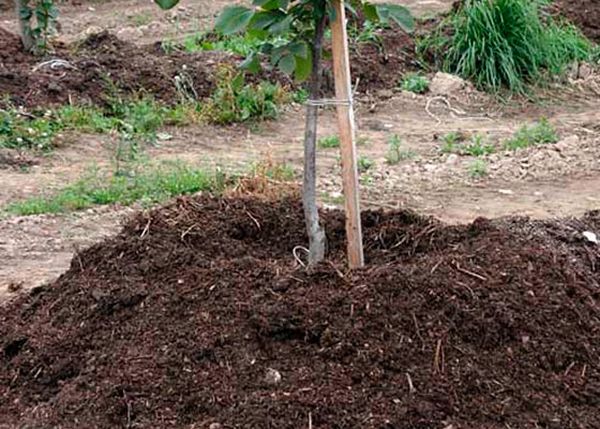
Nochka's resistance to fungal diseases is average, but under unfavorable conditions and without preventative measures, the plant can be affected by coccomycosis.
Main varieties
Today, many varieties of cherries are known. For example, the Samsonovka, Igrushka, Vstrecha, Nochka, Shalunya, Vyanok, and other cherry varieties are extremely popular among gardeners. Some of these varieties have subspecies.
Nochka is represented by the following subspecies:
- Alisa is a vigorous cultivar characterized by frost resistance and high yields. Until the age of 10, the crown is pyramidal, and the tree itself does not exceed 4 meters in height. Over time, the crown becomes more rounded. Alisa is considered a mid-late variety. Fruiting is mixed, but most of the cherries form on cluster branches. The fruit is burgundy in color, and the flesh is juicy. Each berry weighs 7 grams. The cherries taste sweet with a slight tartness.
Alice's disadvantages include poor transportability and low flower resistance to low temperatures. - Dorodnaya. This vigorous cherry tree has mid-late ripening season. Berries weigh no more than 7 grams. The cherries are round and have red, juicy flesh. The Dorodnaya harvest is very tasty. Its advantages include high frost resistance and large fruits. Its vigorous growth habit can be a drawback, as most gardeners prefer compact varieties.
Pollinators and care
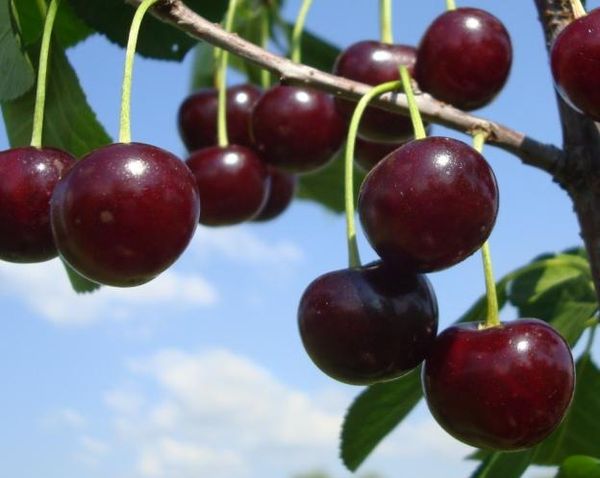
The Nochka cherry is partially self-fertile. Therefore, it requires pollinators. Some believe that planting a sweet cherry nearby will help ensure a bountiful harvest. Others use cherries as pollinators.
Nochka requires regular care. The care routine is the same as for all cherry trees: watering, fertilizing, spraying, mulching, and loosening the soil as needed. Pruning is somewhat specific. Dukes should be pruned like cherries, cutting back one-year-old shoots by a third.
Pros and cons
Gardeners often grow the Nochka cherry in their gardens. Many prefer this variety due to its strengths:
- Its ability to withstand frost well is why Nochka is often cultivated in the northern regions of the country or in areas with unfavorable climatic conditions.
- Resistance to most diseases. This variety's characteristic significantly simplifies plant care. However, to avoid certain fungal diseases, preventative treatments are still recommended.
- Large and tasty fruits. Due to their attractive appearance, cherries are often grown for sale.
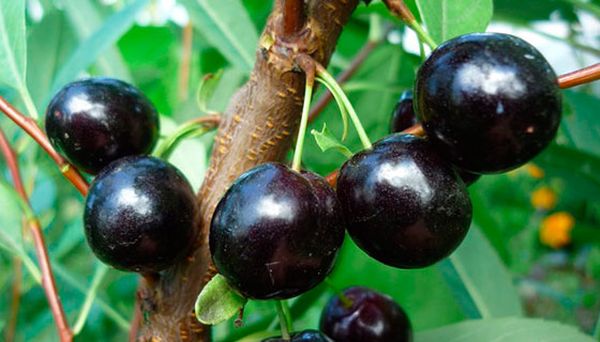
The Nochka variety's weakness is its low yield—no more than 10 kilograms per tree. Therefore, it is not grown commercially.
So, the Nochka variety is worth considering for its many advantages. This plant will continually delight you with delicious fruits that combine the qualities of both cherries and sweet cherries. But only if the plant is properly cared for.
Video: Planting Cherry Trees in Spring
This video will teach you how to plant cherries in spring.