
All about successfully growing high-yielding Molodezhnaya cherries
Content
History and description of the Molodezhnaya cherry
In 1978, the All-Russian Institute of Selection and Technology of Horticulture and Nursery began testing a new fruit crop, a cross between the Vladimirskaya and Lyubskaya cherry varieties. In 1993, the hybrid was added to the State Register of Achievements of Russia under the name "Molodezhnaya." The breeders Sania Saratova and Khasan Yenikeev are considered the originators of the variety.
Characteristics of the tree
Molodezhnaya is a low-growing, bushy cherry tree. Its maximum height is no more than 2 meters. This variety is characterized by a rounded crown with spreading shoots. Thanks to its low height and moderate crown density, gardeners have no problem harvesting.
Young shoots are a rich green, while woody ones are a russet brown. The branches are highly flexible and resilient. The risk of branches falling under the weight of the fruit is minimal.
The leaves of this fruit tree are oblong-oval in shape with clearly visible veins and serrated edges. The outer surface is a beautiful grassy shade, while the underside is a light green.
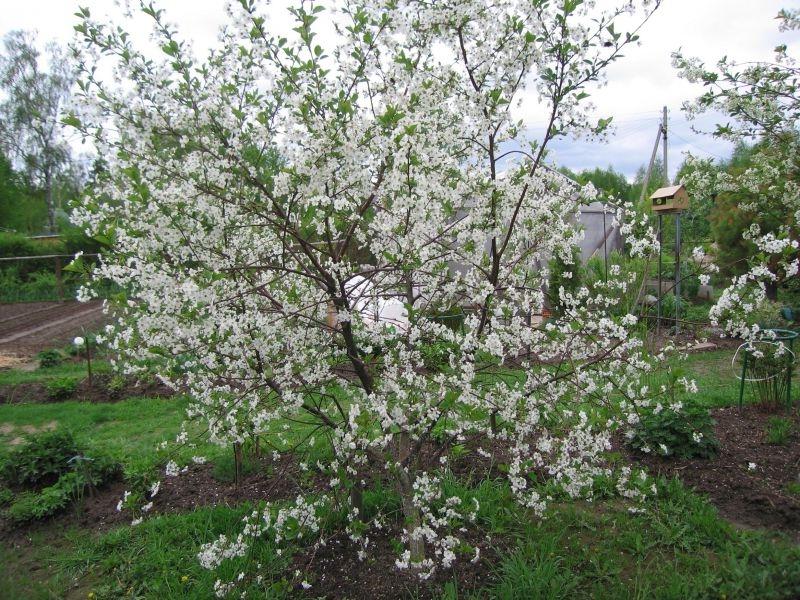
Characteristics of fruits
The fruits of the Molodezhnaya cherry variety are large and broadly rounded. The average berry weight is 4–5 g. The skin is thick, dark crimson or maroon in color. In appearance, the berries of the Molodezhnaya cherry resemble sweet cherries.
The flavor is candy-sweet with a distinctive tartness, and there's a pleasant cherry aroma. A distinctive feature of this variety is the easy separation of the dense pulp from the pit. The pulp is juicy and the stone is small in size.
Pollination, flowering and ripening period
The Molodezhnaya cherry is partially self-pollinating (approximately 40%). Cross-pollination is used to increase fruit production. Experienced gardeners consider the best pollinators to be the Turgenevskaya, Lyubskaya, Vuzovskaya, Nord Star, and other varieties. When choosing pollinators, pay attention to the flowering and ripening times of the fruit crops.
Cherry blossoms bloom in mid-May. In colder climates, the blooming period may shift to late May. The first ripe fruits are harvested in mid-July.
Productivity, fruiting
The Molodezhnaya cherry is an early-bearing crop. The first large harvest can be collected as early as 3–4 years after planting the seedling in its permanent location. Once the tree reaches 10 years of age, fruiting and yield rates begin to decline.
Molodezhnaya is a productive variety. A young tree produces approximately 10–12 kg of marketable berries. The average yield of an older tree is no more than 8 kg.
Application of berries
The harvested fruit can be transported over long distances. When stored at the correct temperature and humidity, cherries store well. These sweet and tart cherries are eaten fresh and also used in confectionery to decorate desserts and baked goods. Furthermore, the juicy and aromatic berries can be processed into juices, fruit drinks, compotes, jams, and preserves.
-
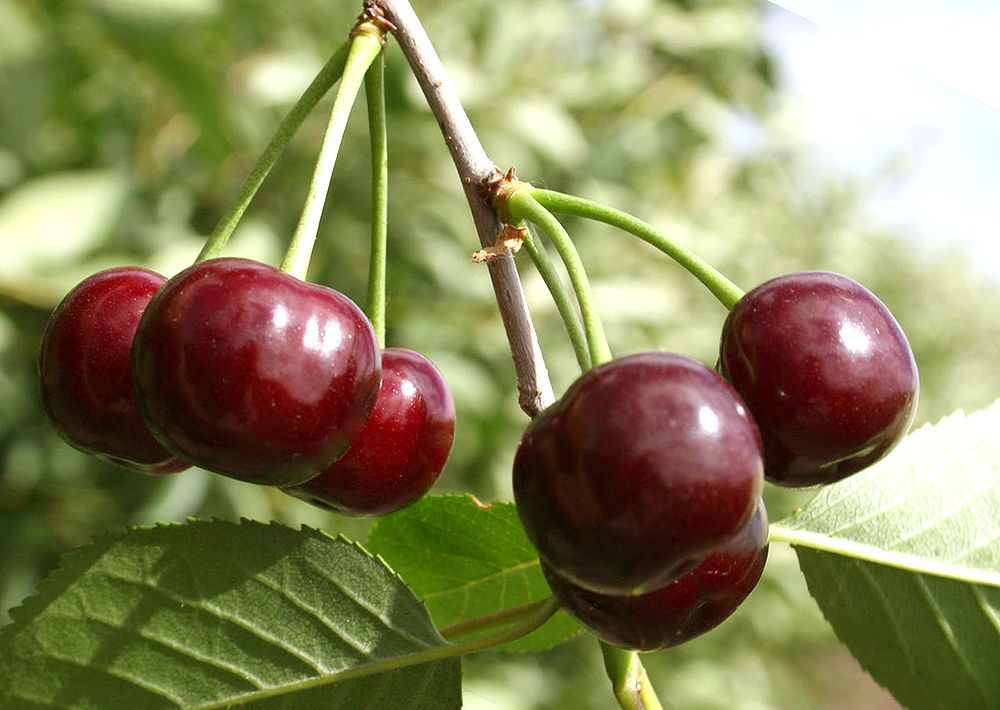
- The fruits of the Molodezhnaya cherry are large
-
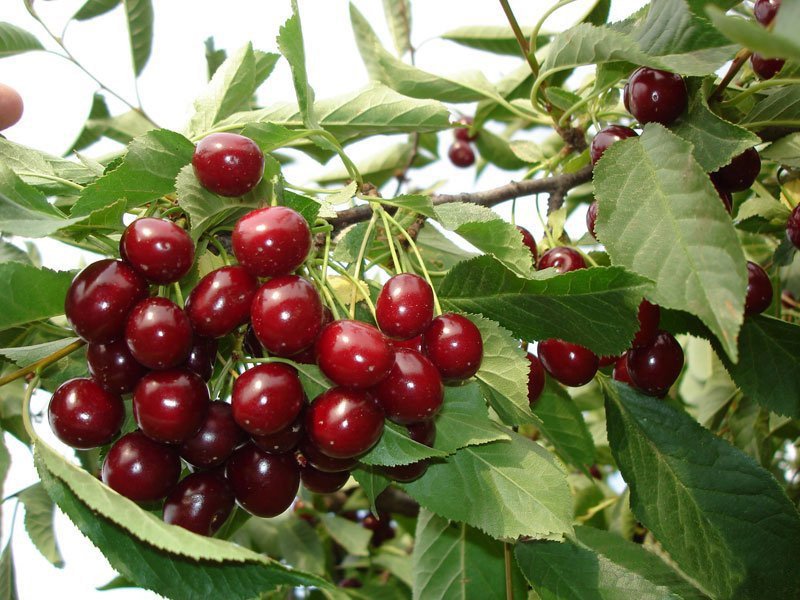
- The variety has a high yield
-
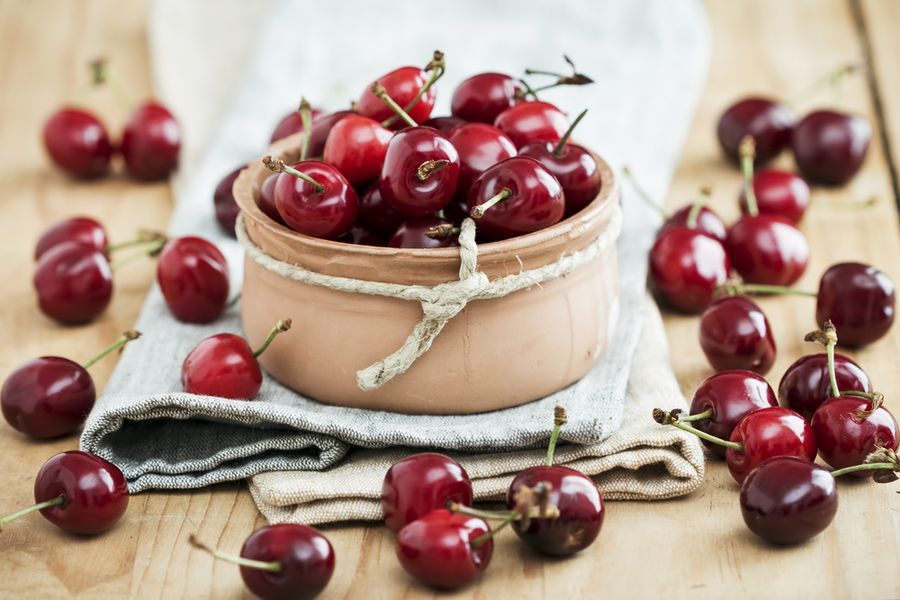
- The berries can be eaten fresh.
Advantages and disadvantages of the variety
- early fruiting;
- rapid ripening;
- absence of fallen berries;
- amazing consumer qualities of fruits;
- universal application;
- long-term lying down;
- possibility of long-distance transportation;
- Excellent drought and winter resistance.
- high demands on soil composition;
- deterioration of fruiting due to lack of nutrients;
- the need for annual pruning of shoots and root growth;
- weak resistance to fungal diseases;
- decrease in yield as the tree matures.
Video "Brief Description of the Molodezhnaya Cherry"
After watching the video, you will know what this fruit crop looks like.
Subtleties of planting and growing features
Molodezhnaya is characterized by high survival rates and rapid adaptation to growing conditions. This fruit crop can be grown in all regions of Russia, including the harsh northern regions.
Planting recommendations
The Molodezhnaya variety prefers spring planting. Planted in early spring (assuming average daily temperatures are 10°C or higher), the seedling will have time to strengthen during the season. Once established and strong, the young tree will successfully survive the winter.
Cherry trees require light to produce fruit actively, so they are grown in a well-lit and sun-warmed area. Young cherries are sensitive to waterlogged soil. When choosing a site for planting a sapling, look for a plot on a low hill, but be sure to provide protection from wind and drafts. The best option is to plant and grow the stone fruit near a fence, a house wall, or a garden gazebo.
Molodezhnaya prefers a light, nutrient-rich substrate. The plant grows well and produces fruit vigorously in sandy loam soil with a neutral pH. To reduce acidity, lime the soil before planting.
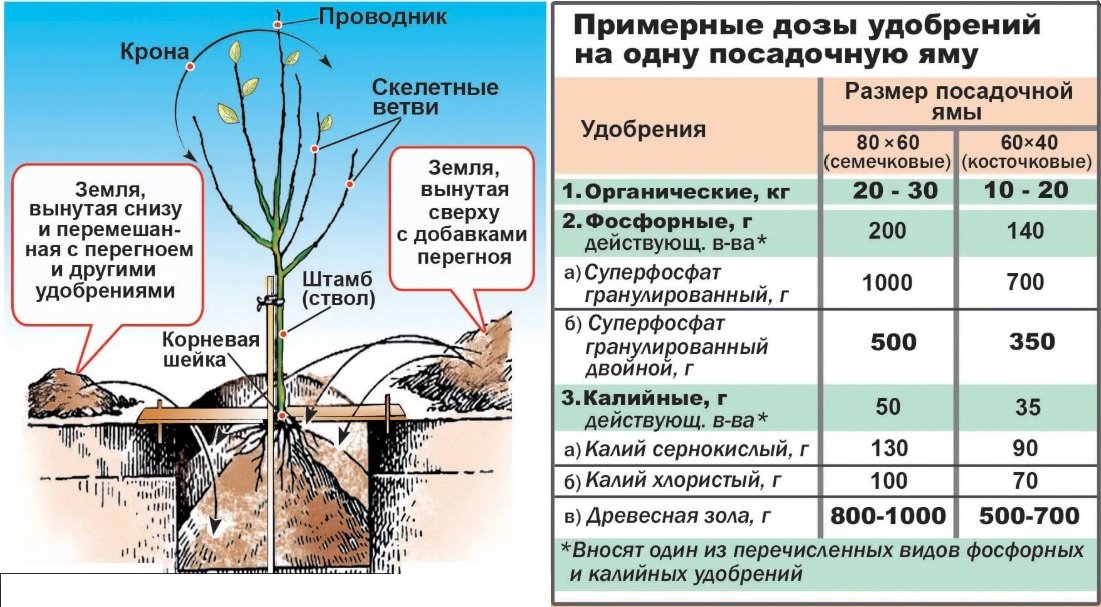
When choosing planting material, the highest survival rate is achieved with one- and two-year-old seedlings. The tree height should be between 100 and 150 cm. A suitable seedling should have a well-branched root system, and the bark, shoots, and leaves should be free of visible mechanical damage.
Watering and fertilizing
The Molodezhnaya cherry tree is highly drought-resistant. It tolerates a lack of moisture in the soil better than excess moisture. Water the fruit tree as needed, but no more than once every 7 days. During periods of heavy rainfall, the interval between waterings can be significantly increased.
Fertilizing fruit crops follows a standard schedule: nitrogen-containing fertilizers in April or May, and potassium and phosphorus fertilizers in the summer and fall. Superphosphates can be added during the winter preparation phase. Molodezhnaya responds well to fertilizing with mullein or chicken manure diluted in water. The recommended ratio of organic matter to water is 1:10.
Organic and mineral fertilizers must be added to a pre-moistened substrate, otherwise the tree's root system may be burned.
Trimming options
One of the essential steps in caring for bush cherry trees is pruning. In the spring, when the weather stabilizes, formative and rejuvenating pruning of the crown is performed. Long and thin branches should be cut back to the base. Last year's shoots are pruned so that no more than 12-14 branches remain on the tree.
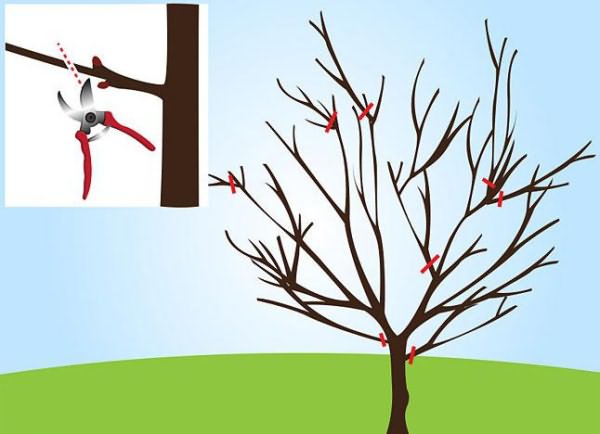
In the fall, sanitary pruning is performed, which involves removing dry, broken, and insect-damaged shoots. The cut areas are sealed with garden pitch.
How to prepare for winter
The Molodezhnaya cherry is a winter-hardy stone fruit. However, the plant does not respond well to sudden temperature fluctuations. To ensure the tree survives the winter, the root area is mulched with hay, straw, peat, and spruce branches. The trunk and skeletal branches can be wrapped with medium-density agrofibre.
Diseases, pests and control measures
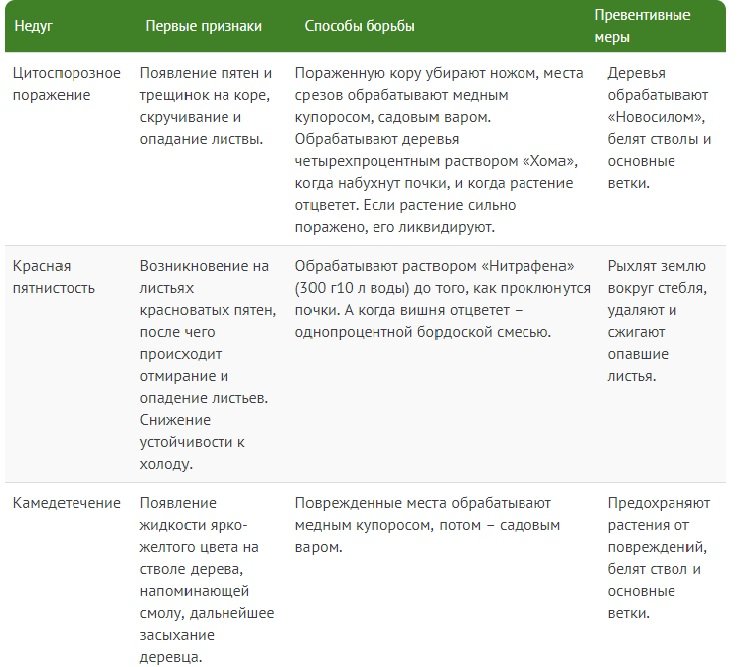
A significant drawback of this variety is its low disease resistance. Molodezhnaya suffers from red spot, cytosporosis, and gummosis. For advice on how to save the tree, see the table below.
Juicy fruits attract cherry fruit flies, aphids, and cherry slime sawflies. To prevent these pests, the tree's crown is periodically sprayed with a soapy solution. To control insects, use insecticides such as Aktara, Iskra, Actellic, or Fitoverm, diluted according to the instructions.
Reviews from gardeners
"Last winter was the last for our beloved Molodezhnaya cherry tree. We decided to cover the tree with plastic film for the winter. The impermeable material caused fungus and mold to develop. We couldn't save the tree."
"A few years ago, we planted a cherry tree called 'Molodezhnaya' in the garden near the children's sports slide. The tree quickly took root and now delights us with a bountiful harvest of juicy and delicious berries."
The low, spreading cherry tree "Molodezhnaya" looks attractive at different stages of development, making it a great addition to any garden plot. It is often used for solitary and group plantings.