
Description and characteristics of late Michurin cherry
Content
Description and characteristics of the variety
The work of breeder T.V. Morozova resulted in a new cultivar developed at the Michurin All-Russian Research Institute of Horticulture. This is where the name of the cherry comes from, which emerged from the seeds of the Leningradskaya Zheltaya cherry variety after germination and treatment with the chemical mutagen ethyleneimine (EI). The resulting specimen was submitted to state variety testing in 1994.
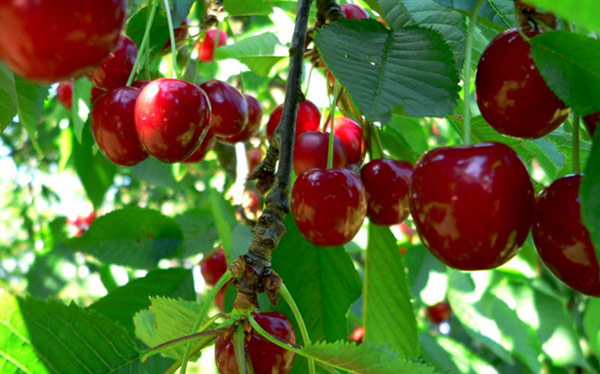
Let's begin the description with the tree: medium-tall with an upright, rounded-oval crown, brown bark, upright shoots, and ovoid buds. The leaves are dark green and smooth to the touch, narrowly oval in shape, characteristically serrated, and borne on short petioles. Two dark red glands are visible on the surface of each. The flowers are large and white, composed of rose-shaped, rounded petals with a high-set stigma.
Dark cherries ripen on bunches of varying ages. Each fruit weighs no more than 6.5 g. The cherry is broadly heart-shaped, dark red in color, and has a barely visible ventral suture. The stalk is small and medium-thick, easily separated from the branch. The pit is oval, small in size, and smooth. It is easy to separate from the sweet and tart flesh. The fruit contains 0.45% acids, 12.98% useful sugars and 9.79 mg (per 100 g) of ascorbic acid.
This variety has a mid-season flowering period and late cherry ripening. It begins bearing fruit 5-6 years after planting. Yields are consistent – 80-140 centners per hectare (in Michurinsk, where harvesting occurs in late July). Typically, throughout the country, the fruits ripen in the late second to early third ten days of July. Yields are 55-60 kg. The variety is self-sterile; pollinators such as Michurinka and Rozovy Zhemchug are required. Propagation is by budding on seedlings of cultivated cherry varieties and clonal rootstocks of the Vladimirsky variety. Harvested fruits are eaten fresh, canned, frozen, dried, and used in cooking and beverages.
Advantages and disadvantages
Gardeners in our country value the Michurinskaya late cherry for its good winter hardiness, drought resistance, strong immunity to coccomycosis, regular yield, beautiful dark fruit color, and its ability to maintain its marketable appearance and flavor during transportation.
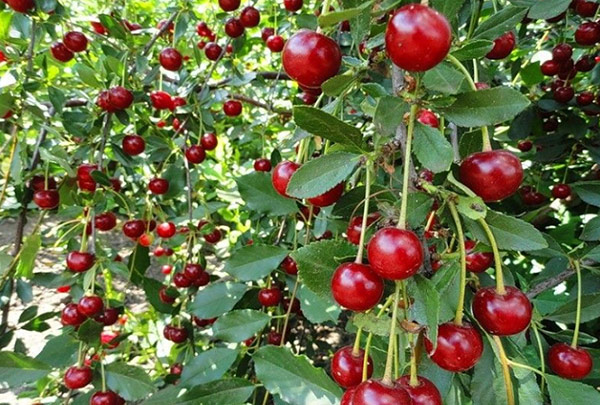
The fruits contain glucose and fructose, citric and malic acids, keratsianin, tannins, nitrogenous and coloring substances, vitamins A, B, C, P. The healing properties of cherries are also known: teas, infusions and mixtures are prepared from the berries.
The main and only drawback is the short lifespan of the wood due to its average winter hardiness.
Video: "If the Cherry Tree Doesn't Bear Fruit"
Let's look at the reasons for this phenomenon, as well as techniques and methods that help improve fruiting.