
Description of the large-fruited cherry variety Mayak
Every gardener gradually filling their garden with fruit trees approaches the selection of a particular tree variety with particular care. How it will perform is a mystery. Today, we'd like to tell you about a young variety, and therefore not yet very common. Ladies and gentlemen, we present to you the Mayak cherry variety.
Content
History and description of the variety
The Mayak cherry tree emerged from the cross-pollination of young seedlings of Michurin varieties. This occurred in Yekaterinburg (then Sverdlovsk) in the 1970s. Mayak was zoned in 1974, primarily in the Middle Volga region, but thanks to its excellent frost resistance, it was soon grown throughout almost the entire Central Belt, as well as in Belarus and the Baltic states. The variety description describes the tree as a short, spreading, bush-like plant, not exceeding 2 meters in height.
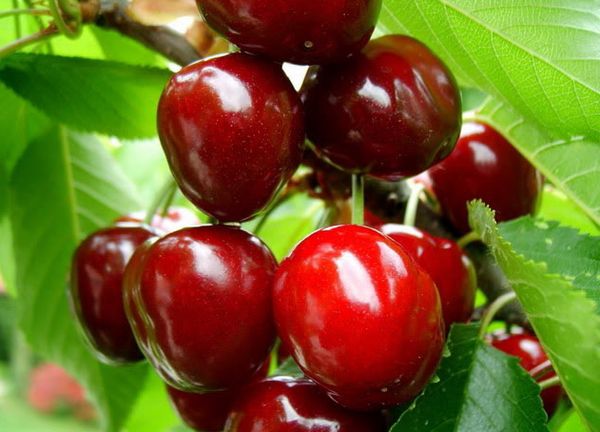
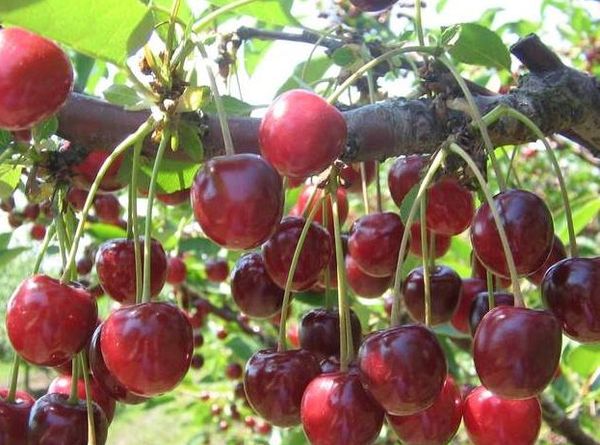
It produces white flowers, gathered in small inflorescences of three. Flowering begins relatively late, in early summer. It is primarily young, one-year-old shoots that bloom and form ovaries. Despite the plant's small size, it produces fairly large berries—each cherry weighing up to 6 g. The berries are dark red, have a classic cherry shape, and are very juicy and sweet. This variety is considered universal – the cherries are equally good for fresh consumption, as well as for processing into home preserves.
Main characteristics
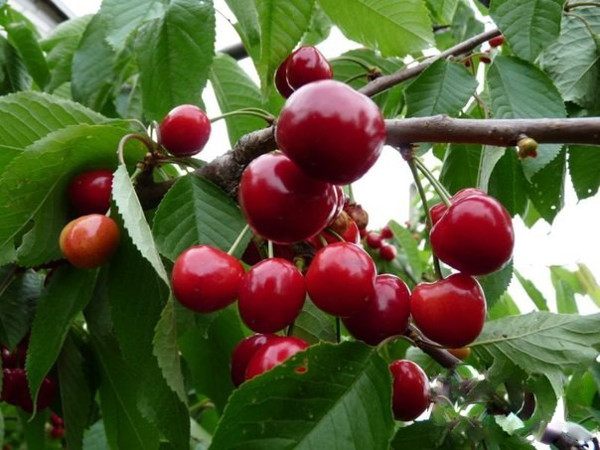
The tree begins bearing fruit at approximately its third year and maintains excellent productivity until it reaches 30 years of age, provided it is properly cared for. This variety is not known for its rapid fruit production; the cherries ripen gradually, beginning in late July. The berries are not prone to falling, but can sometimes crack if left on the branches too long. The average yield per tree is 12–15 kg. The variety is considered frost-resistant—trees can withstand temperatures down to -35 degrees Celsius—and is also drought-resistant.
Diseases and pests
One of the variety's main drawbacks is its weak immunity to coccomycosis, or fruit rot. The former is a dangerous fungal infection that appears as small red spots on the leaves. The affected areas quickly spread, causing the tree to die. If treatment is not started promptly, the tree will inevitably die. All branches and shoots showing signs of damage should be pruned and destroyed, and the tree should be sprayed with a concentrated nitrogen fertilizer solution. Fruit rot is also quite dangerous.
The disease exclusively affects the plant's fruit, causing it to rot prematurely. In this case, the affected cherry trees should also be removed and burned, and the tree should be sprayed with a 1% Bordeaux mixture solution.
However, don't forget to harvest any remaining unaffected fruit beforehand. Mayak cherries are also susceptible to pests, especially cherry sawflies and aphids. Both can cause significant damage to the tree's foliage. Various insecticides are effective against them, such as Kinmix, at a rate of 2 liters of aqueous solution per fruit tree.
Pros and cons
When choosing the Mayak cherry variety, consider all its strengths and weaknesses. Its advantages include large fruit size, high yields, long lifespan of each tree, excellent flavor, and drought tolerance.
Disadvantages include average winter hardiness, susceptibility to fruit rot and kykcomycosis, and low resistance to pests.
Video "Planting Cherry Trees"
In this video you will hear useful tips on planting cherry trees.