
Characteristics and cultivation of the high-yielding Malinovka cherry
Description and characteristics
A description of the Malinovka cherry variety should begin with its origins. It was developed in the Soviet Union by breeders H. Yenikeyev and S. Satarova, employees of the All-Russian Institute of Horticulture and Nursery. These two botanists enriched fruit crops with more than one new berry variety.
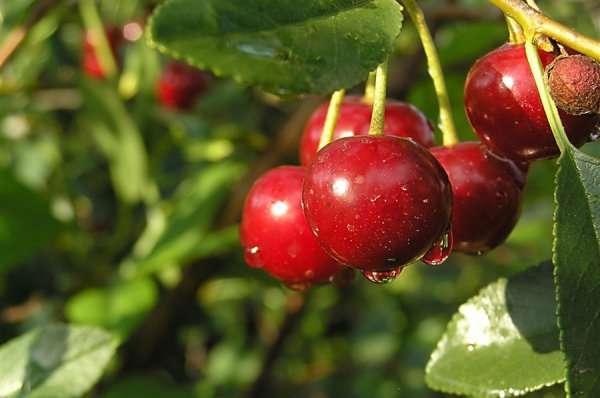
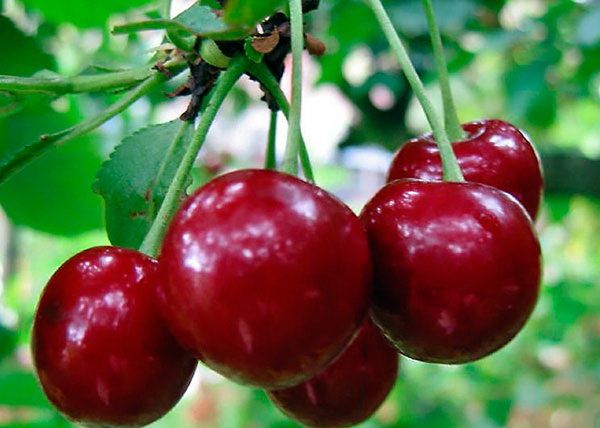
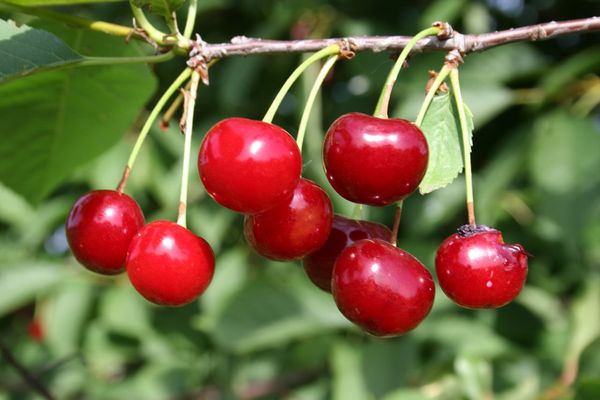
The new variety is cold-resistant and has become widespread in the Middle Volga, Ural, and Central regions. Malinovka trees grow to about 3 meters tall. Their crowns are rounded and dense, and the foliage is dark and small. Cherries are typically smaller than sweet cherries. However, this variety is particularly small: a cherry weighs no more than 4 grams. The fruits, although small, are distinguished by a beautiful dark scarlet color and a sweet and sour taste.
Cherries of this variety can be consumed in their natural form or processed – in pies, compotes and jellies. They also store well frozen and processed (jams, preserves, and preserves). Malinovka cherries are not self-fertile. Trees that will provide pollen are planted next to non-self-pollinating varieties. The Lyubskaya and Vladimirskaya varieties are considered good choices. This variety is late-ripening, and the main harvest dates are the last week of July through the first week of August.
Features of growing the variety
Growing this cherry tree is quite simple. Seedlings are planted in the spring in loose, sandy soils with a low rock and clay content. Such soils are found on mountain slopes, which are the most favorable locations for planting berry trees.
These locations are sheltered from the wind but still have good sunlight. Cherry trees prefer a temperate continental to continental climate. Furthermore, the planting site should be away from groundwater, or 1-1.5 meters above it. It's best to avoid planting cherry orchards in low-lying areas, as meltwater and rainwater can accumulate there. Any prolonged waterlogging is detrimental to the tree's root system, causing root rot and the plant to wilt. Fertilizers are best applied in liquid form, especially to younger trees.
Before planting, the soil is tilled and fertilized with phosphorus fertilizer. During the growing season, cherries need to be fertilized once or twice a season. In the spring, apply nitrogen, phosphorus, and potassium fertilizers. In the summer, apply only phosphorus and potassium fertilizers, as nitrogen fertilizers can slow fruit development. Nitrogen fertilizers can be applied in the fall. Generally, fertilizing is not necessary in areas with fertile, fresh soil.
The tree should be watered once a month with large amounts of water.
In addition to watering, cherry trees require pruning. Before pruning, ensure the tree is healthy and well-maintained, as shaping a diseased tree can lead to its death. During pruning, remove thick shoots and dead branches. Since Malinovka is a self-sterile variety, unable to self-pollinate, pollinator trees are planted nearby. In addition to the aforementioned varieties, you can choose any late-ripening species, as long as the trees bloom at the same time. When caring for the tree, remember to consider pest control. The tree has weak resistance to moniliosis, but is highly resistant to other fungal diseases.
Among the main pests of this species we can highlight:
- Moniliosis. A fungus of the species Monilia cinerea can develop after a cold, rainy spring. Infected leaves slowly dry out and fall off, and the fruit begins to rot and become covered with a white fungus. Infected branches are pruned, and the entire tree is treated with an antifungal agent. To prevent infection, avoid stagnant water in the root system and dense crowns.
- Aphids. A well-known pest that destroys cherry trees and spoils the foliage on plants. To combat aphids, the tree is treated with insecticides;
- Cherry weevil. Tiny worm larvae that settle in the buds of future cherry trees in the spring and consume them from the inside. The weevil can lay eggs that can withstand frost. This parasite is controlled by treating cherry trees with chemicals and planting strong-smelling herbs throughout the orchard.
- Slimy sawfly. The larvae of a parasite that settles on the underside of leaves in the spring. During peak flowering, the pest moves to fresh, succulent leaves and consumes them, causing the foliage to wilt and deteriorate. Chemical treatments for sawfly are carried out after harvest.
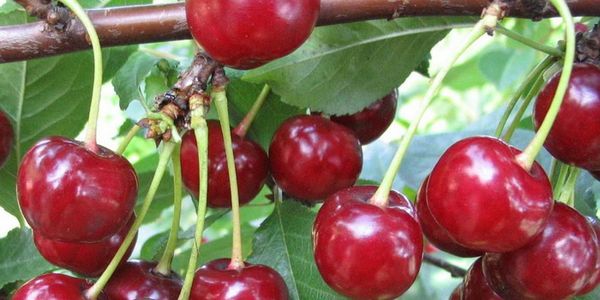
Proper care and attention to your berry orchard will help you grow a wonderful harvest of sweet and juicy cherries.
Video: Cherry Tree Care
In this video you will hear useful tips on caring for cherries.