
Description of the Lyubskaya cherry variety, a folk selection
Content
Description of the variety
The Lyubskaya cherry variety is a bush-like tree growing to a height of 2.5 m.. The tree forms a wide, spreading crown with sparsely spaced branches. Lyubskaya has the following description of the cultivar:
- grey-brown bark, characterized by the formation of cracks;
- elongated leaves of dark green color;
- The stems are curved. They extend from the trunk at an angle of 45 degrees;
- Cherry inflorescences consist of 3–4 flowers.
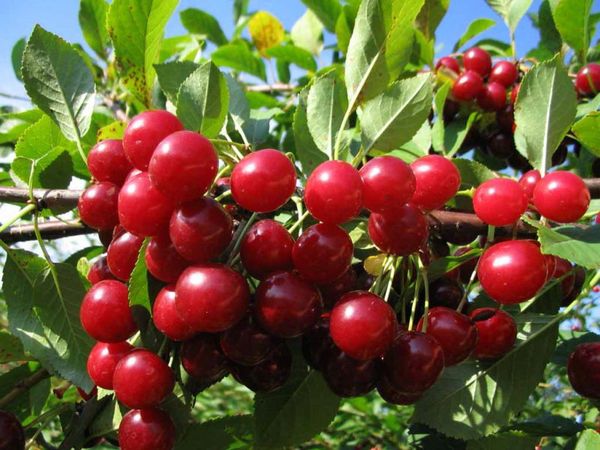
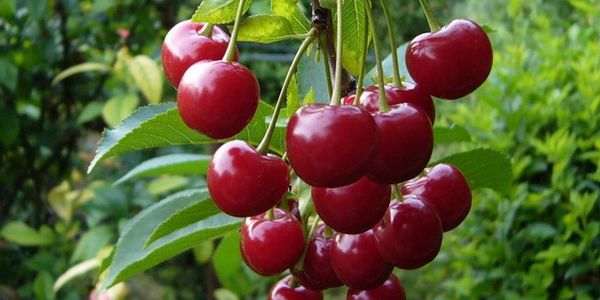
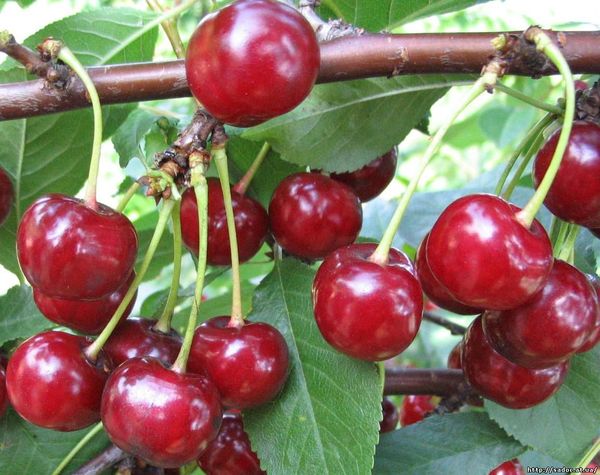
The branches produce fruits with the following characteristics. They are medium-sized and weigh approximately 4–5 g. They are rounded in shape with a slightly blunted tip. The skin is dark red. The skin is quite thick, with a distinct seam line on the ventral side. The flesh is juicy and burgundy. The cherry juice is light red. The taste is tart, but the sugar is noticeable.
The stone is quite large, accounting for approximately 8% of the berry's total weight. The pulp separates from it quite easily. Fruiting occurs on one-year-old shoots. One to two berries form per ovary. However, three to four fruits can sometimes form. Thanks to the long stalk, the fruits are firmly attached to the branches and do not fall off when ripe.
Main characteristics
This variety of cherry has the following characteristics:
- The universal value of berries. They can be eaten fresh, preserved, or frozen;
- Early fruiting. The tree begins to bear fruit in its 2nd to 3rd year of life;
- mid-late fruiting period;
- high productivity, which increases quite quickly over time;
- The flowering period is 5–8 days. However, this parameter is directly dependent on the weather conditions in which the cherry tree grows;
- High productivity. If planting and care are properly organized, a single tree can yield up to 25 kg of fruit. In a particularly favorable season, the yield can reach 50 kg;
- weak immunity to various diseases;
- Cold resistance is average. Without proper preparation for winter, the cherry tree's skeletal branches may freeze.
With proper care, a cherry tree can live for approximately 25 years. In temperate climates, the tree typically lives for about 15 years. Lyubskaya is most often grown in the central and southern regions of the country. It's worth noting that this variety is quite demanding regarding soil composition.
Care and pollinators
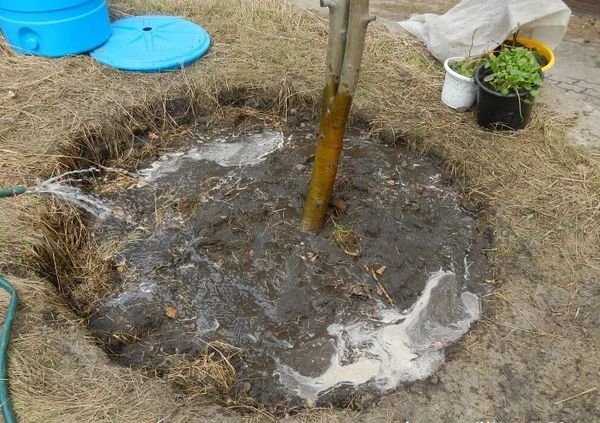
Once the Lyubskaya seedling has been planted in its permanent location, it needs proper care. This should include the following:
- Fertilization. Fertilization begins in the second year of the tree's life. It is first applied in early April. At this time, 30 g of ammonium nitrate is applied to the cherry tree. Foliar feeding stimulates fruiting by spraying the crown with a urea solution. Fertilizers (superphosphate, potassium chloride) are reapplied after fruiting has completed.
- Watering. This variety requires watering only four times during the season. Watering is done after flowering, during fruit set, after fruiting, and in October (the second half of the month).
- Loosening and weeding. Periodically, the soil around the tree trunk should be loosened and weeded to remove any weeds that may have formed;
- Crown pruning. Proper crown shaping, as well as the removal of dead and infected branches, will allow the tree to produce a high yield and significantly simplify harvesting.
Since Lyubskaya is self-fertile, it should be planted near pollinating varieties. Experienced gardeners recommend planting Lyubskaya seedlings near the following varieties: Zhukovskaya, Molodezhnaya, Vladimirskaya, Anadolskaya, Shpanka Rannyaya, Lotovaya, and Plodorodnaya Michurina. Near these varieties, Lyubskaya will produce many times more ovaries.
Harvesting and storage
The Lyubskaya variety bears fruit depending on external factors and the age of the trees. The berries typically ripen between late July and early August. This variety is characterized by uniform ripening.
Harvesting should be done in the morning. To ensure the best storage quality, the berries should be picked with the stems attached.
Berries can be stored for up to two weeks, provided they are kept at a temperature of 0-4 degrees Celsius.
Diseases and pests
This cherry variety has low resistance to fungal diseases. These diseases are caused by inadequate care. The most common diseases affected by this variety are coccomycosis and moniliosis.
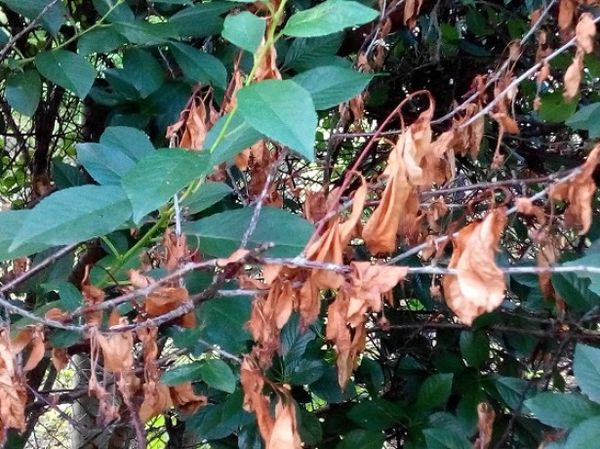
In addition to fungal diseases, Lyubskaya is susceptible to the following pests:
- cherry slime sawfly;
- cherry shoot moth;
- cherry weevil;
- cherry aphid.
When the first symptoms of disease or pests are detected, it's essential to begin combating them immediately. Otherwise, pests and infections will significantly reduce yields and may even cause the death of the young tree.
Pros and cons
The undeniable advantages of this variety include the following points:
- the presence of high potential productivity in trees;
- increase in yield with age;
- compactness of trees;
- the ability of berries to easily withstand transportation.
Don't forget about the variety's shortcomings. These include:
- the possibility of cherries freezing in winter;
- sour taste;
- poor immunity.
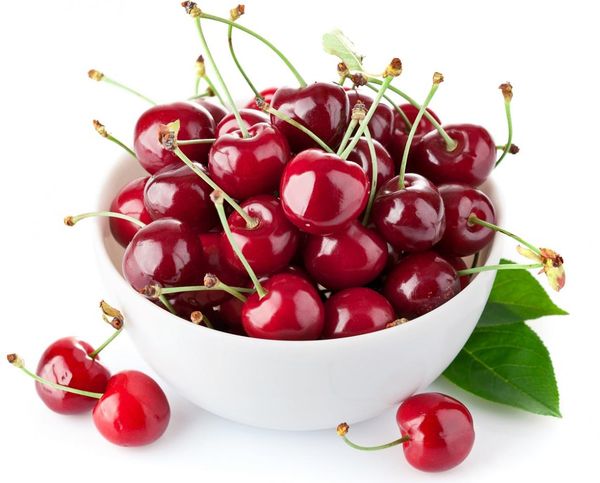
The Lyubskaya cherry variety, whose description largely defines it as a rather profitable variety for cultivation, is highly prized by gardeners in our country. Find a place for this cherry in your garden, and it will delight you with its fruits for a long time.
Video: "How to Get a Good Cherry Harvest"
In this video you will hear useful tips on caring for cherries.