
The best varieties and planting features of bush cherries
Content
Description and characteristics
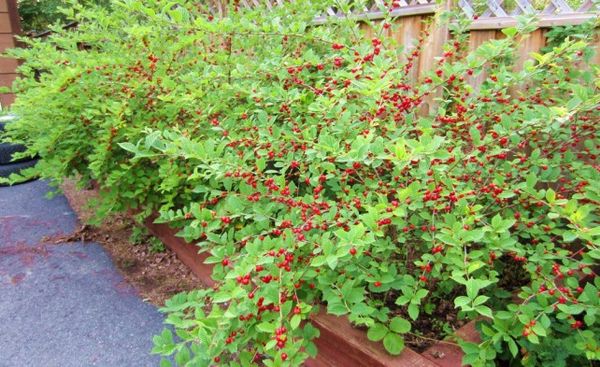
The description of the bush cherry is already contained in its name. Unlike trees, bushes are not as generous in growth, so the total height of the bush is 1–1.5 m. The crown width is 90–150 cm.
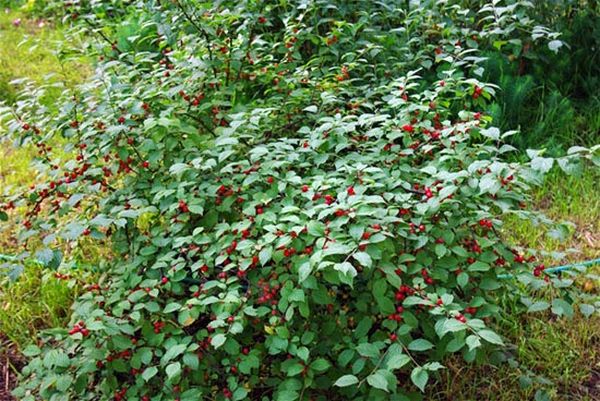
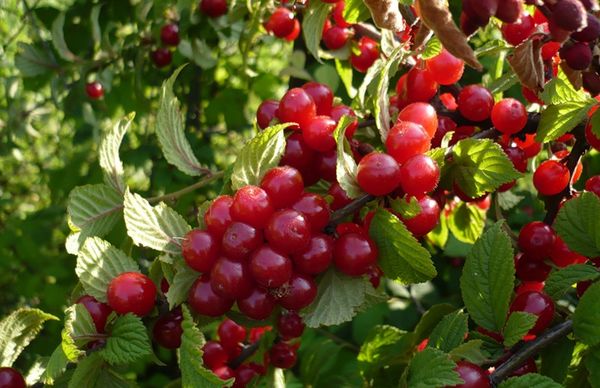
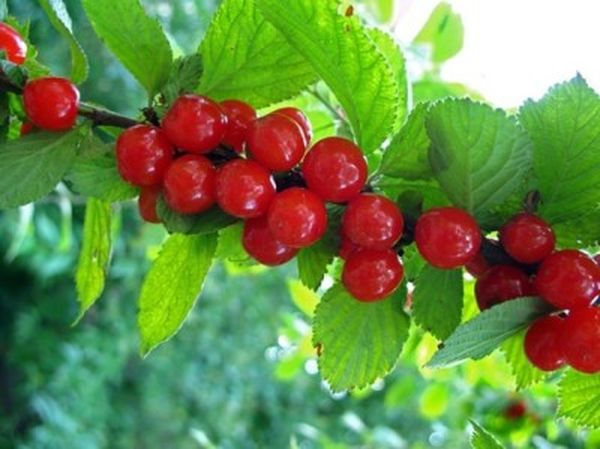
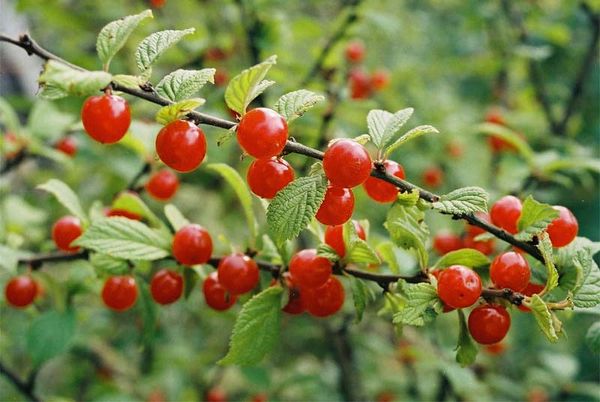
Despite its size, the steppe cherry has a well-developed root system that can penetrate even deep into the soil. Mature trees have gray-brown bark on long, drooping branches. Small, dark green leaves up to 1.5 centimeters long develop on the branches, and are elongated or rounded. In spring, the cherry trees are covered with small, dense flowers, with 3-5 petals per bud, which later develop into small red berries. The berries are dark scarlet and burgundy in color, weighing up to 3.5 grams.
The steppe cherry is widespread throughout Eurasia—from southern Asia to northern Siberia, from Western Europe to Kazakhstan. This wide distribution is due to its undemanding nature regarding soil and care. This variety can be susceptible to fungal diseases, but it is easy to care for and produces a bountiful harvest. Furthermore, the steppe cherry is known to exhibit remarkable resilience to climate conditions, withstanding both extremely low and high temperatures.
Generous fruiting can be observed for up to 15 years of the shrub's lifespan, but it is also beautiful as a garden ornamental. Steppe cherry is only partially self-pollinating, so a self-pollinating variety should be planted next to a non-self-fertile one. The key is for all varieties to bloom at the same time.
The best bush varieties
Since shrub varieties are very popular in urban areas and small suburban gardens, let's look at the most popular shrub varieties for the Moscow region, the Northwest, and Siberia.
- The Shchedraya variety. This variety begins bearing fruit relatively late (from the third year after planting), but this is compensated for by the bush's longevity—up to 35 years. Furthermore, the berries are quite large for a bush plant. Shchedraya can reach a height of 2.5 m, with a crown spreading 150–200 cm. Shchedraya is a self-pollinating, late-ripening variety, but requires regular rejuvenation and high-quality fertilizing.
- Irtyshskaya. The Irtyshskaya cherry variety was developed by Siberian breeders who worked hard to create a winter-hardy variety. Irtyshskaya can withstand temperatures down to -50 degrees Celsius, but it is quite difficult to grow in warmer regions. Furthermore, this variety is self-sterile. The downsides of this variety are its small fruits with a rather bland, watery taste, which is why Irtyshskaya is more often consumed in processed form.
- Altai Swallow. Another Siberian variety, but far more popular than the Irtyshskaya. The Altai Swallow grows just over 150 cm tall and requires regular pruning for its dense, lush crown. This crown produces juicy red fruits in summer, reminiscent of cherries. Aside from its wonderful flavor, this variety's advantage is its frost resistance and mid-season ripening (second half of July). The Swallow is a self-sterile variety, meaning its cherries don't have a long shelf life.
- Subbotinskaya. Caring for the Subbotinskaya bush cherry primarily involves shaping the crown and protecting the bush from fungus. This is because the plant reaches a height of two and a half meters, and the crown is so dense that coccomycosis or cherry sawfly can easily develop. However, with proper care, the tree will produce large cherries weighing up to 5 grams, with a sweet, juicy flavor. These berries are delicious eaten not only processed but also raw. Subbotinskaya is characterized by moderate frost resistance and good drought tolerance.
- The Bolotovskaya cherry is a late-ripening variety that produces large, juicy, burgundy-colored berries. Furthermore, it is completely self-fertile, easy to grow, cold-hardy, and able to withstand severe droughts. Another advantage of the Bolotovskaya variety is its ability to bear fruit for 30 years. Bolotovskaya bushes are not tall—1.7 m—but are distinguished by abundant flowering and a rich, spreading crown.
Landing features
Planting a bush cherry requires choosing the right location. The soil may not be particularly nutritious, but it should have a neutral pH. Porous, sandy loam soils are best, loosened and enriched with phosphorus fertilizer before planting.
It's best to choose a growing site on a flat surface or a slope—the key is to ensure it's away from groundwater and meltwater runoff. Stagnant moisture near the root system can lead to root rot and fungal growth. Bush varieties also prefer well-lit areas free from strong drafts.
Planting is best done in spring, when warmer weather is finally on the horizon—from late March to mid-April. Planting material is selected based on the climate zone and the availability of additional pollinators for self-sterile varieties. Seedlings require no preparation before planting.
Caring for bush cherry trees
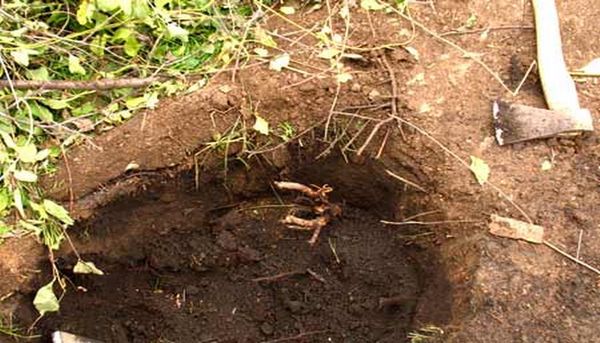
The planting site is loosened and fertilized, and holes for the future seedlings are spaced one and a half meters apart. After transplanting, the seedling is watered and sprinkled with wood ash at the base. Caring for shrub cherries is not a serious problem, as they are a relatively easy-to-grow tree.
To initiate the development of a planted plant, it should be watered. Subsequently, water it generously every 4-6 weeks (10 liters per plant). Avoid overwatering, as excess moisture, especially during warmer months, promotes the growth of harmful bacteria.
Fertilizers are applied twice each season, except in winter, when the tree is dormant. Steppe cherry prefers phosphate fertilizers, but nitrogen fertilizers may be beneficial in spring and fall. It's also worth considering adding natural sources of minerals, such as wood ash, humus, and organic fertilizers. Weeding the soil around the tree twice a month is recommended.
It's best to do this shallowly, as the roots are quite close to the soil surface. Equally important is promptly clearing away dead debris, dry leaves, and branches around the shrub, as these can harbor parasitic larvae. One of the most important procedures is pruning a bush cherry tree. The question of how to prune a shrub is the most complex of all pruning procedures. This is because fruit develops only on last year's shoots. Furthermore, only healthy trees should be pruned, as pruning errors can have dire consequences for sick or old trees.
Bush formation can be carried out after the first year after planting.
In the fall and spring, remove all dry and rotting branches from the cherry tree, and later, even the oldest ones. After this, consider shaping the crown into a spherical shape, as this is the most convenient for harvesting and the most comfortable for the plant itself. To achieve this, the top of the upper shoot is cut off, which encourages the growth of lateral shoots.
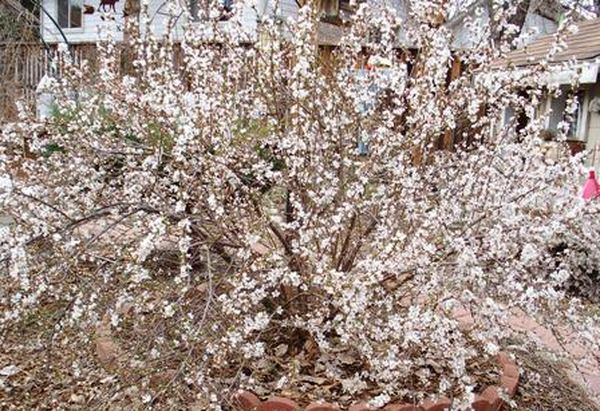
However, it's common to have only 5-9 main branches at the base, from which smaller branches will branch out. It's best to leave the main branches alone unless absolutely necessary, focusing on the smaller branches that thicken the tree. A crown that's too dense inside prevents the fruit from developing because it doesn't receive enough light. Furthermore, a dense crown takes up too many nutrients that could otherwise be used for fruit development.
The bush can be rejuvenated 7-8 years after planting, when the first mature stems appear. During rejuvenation, the old stems are gradually pruned, allowing new ones to grow. If removing the stem is not possible, the number of fruiting branches can be increased by using underground stems, which, as they develop, begin to bear fruit actively. A densely dense crown not only results in a poor harvest but also the spread of numerous pests and parasites. Different bush varieties have different susceptibility to diseases.
However, all varieties are susceptible to fungal infections and parasites. Disease prevention involves not only choosing the right planting site and providing good care, but also growing aromatic herbs (coltsfoot, wormwood, mint) around the tree. However, the bush can be infected with bacterial and fungal infections, including fusarium and coccomycosis.
Coccomycosis is a fungal disease that causes pink spots on the outer surface of leaves and a pink coating on the inner surface. The fungus can cause irreparable damage to the foliage, causing the leaves to dry out, fall off, or develop holes. To get rid of coccomycosis, the bush is treated with chemicals such as "Horus" and "Maxim". Also, all fallen leaves and rotten branches should be collected around the tree.
Steppe cherry trees should also be protected from aphids, sawflies, and other pests. Preventative measures include treatment with copper sulfate and the application of liquid pesticides through irrigation. If disease occurs, the bush is sprayed with chemical pesticides.
Video "Steppe Cherry"
This video will tell you about bush cherry.