
9 Most Fruitful Dwarf Cherry Varieties
Content
Anthracite
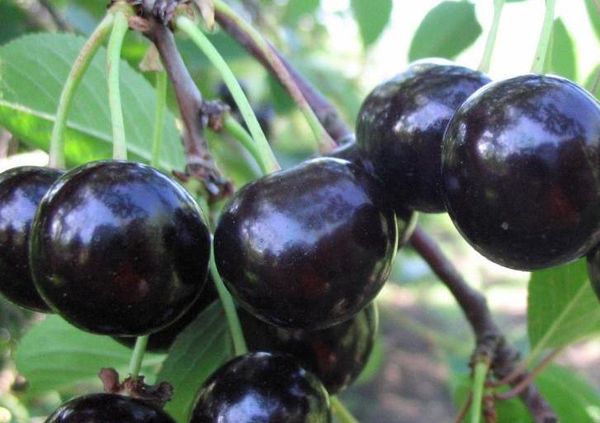
This low-growing cherry tree grows as a small shrub, reaching a height of no more than 2 m. Its crown is spreading, and the fruits average 5 g in weight. They are almost black in appearance, sweet and sour in taste, and very juicy. This variety has become very popular among gardeners due to its exceptionally high yields. It requires minimal care. The only drawback is its high susceptibility to fungal attack.
Low-growing Moscow
Another cherry variety, growing up to two meters tall. Its crown is spherical and very dense, requiring some care (prune in spring). Harvesting can begin in mid-July, as this variety is considered an early-bearing one. The berries are small, weighing a maximum of 4 grams, but quite sweet with a unique aftertaste. The best pollinator is the Pink Bottle.
Bead
Businka is considered one of the best cherry varieties. The trees are low-growing, with a spherical crown that is slightly downy. Cherries weigh no more than 3 grams, and are typically a rich red color. This variety is not intended for consumption on its own; it is grown for preserving cherry juice, jam, and compotes. This dwarf cherry is characterized by frost resistance, fruitfulness, and resistance to all types of pests.
Rubinovka
Rubinovka descended from the sweet cherry, so it's considered a hybrid. The variety's defining characteristic is its enormous fruits, weighing up to 8 grams. Harvesting begins in late June. In a good year, the tree can yield up to 15 kg of juicy berries. Since the variety is partially self-fertile, it benefits from planting pollinators such as the Lyubskaya cherry nearby. Its advantages include drought tolerance and excellent preservation during transportation.
Dwarf cherry Standard
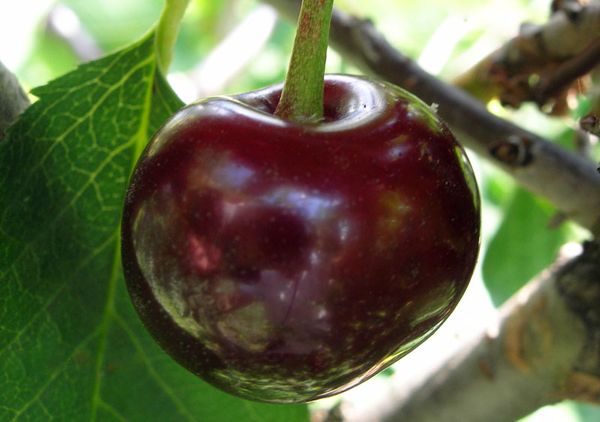
The Standard dwarf cherry was bred specifically for cultivation in the Siberian regions of the country. The tree typically grows as a bush and reaches a maximum height of only one and a half meters. Four years after rootstocks are planted, the tree begins to bear fruit. Good yields are maintained for another 15 years, with berries of medium size (weight 4 g). Harvesting takes place in early August. This cherry variety is known for its frost resistance.
Vita
Vita is an early variety of dwarf cherry, the first berries appear already at the end of June.
At a small height (2 m), it produces large, bright red cherries, weighing 6 g each, with a refreshingly flavorful flesh. It is self-sterile and therefore requires nearby pollinators. However, if this is the case, it's important to remember that these pollinators should also be early-blooming. It tolerates fungal diseases very well, rarely being affected by them.
Crimson
A variety bred by crossing two cherry varieties – Vladimirovskaya and Shubinka. The trees reach two meters in height and have a dense, spherical crown. The fruits are small – 4 grams – but have a very juicy and refreshing flesh. The yield, unfortunately, is modest: in a good year, you can harvest no more than 7 kg of berries. The variety is characterized by early ripening and resistance to moniliosis.
Latvian
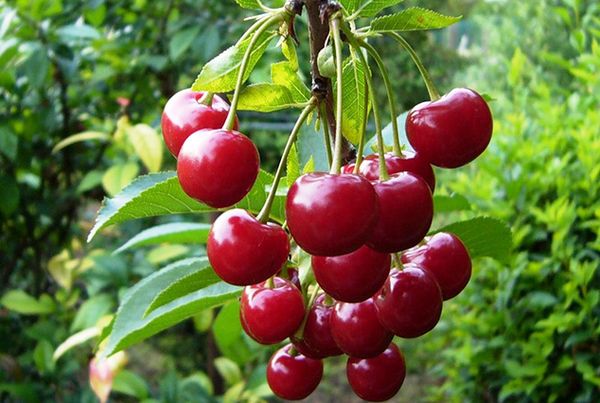
An ancient variety developed by Baltic breeders. Currently common in the Moscow region, this dwarf tree has a wide, spreading crown. It blooms very late but produces fruit for as long as 25 years. It requires no pollinators, as it is self-fertile. It is very productive—a single tree can yield up to 30 kg of cherries, which are most often used for preserving jams and compotes. Its only drawback is its moderate resistance to coccomycosis.
Winter pomegranate
The Winter Pomegranate is a relatively young cherry variety that doesn't require special pollinators. A huge advantage is that the tree will bear fruit even in the most unfavorable growing conditions. It tolerates both cold winters and scorching summers. It is also resistant to pests. This variety is ideal for beginning gardeners. With minimal care, the tree produces 10 kg of sweet and tart berries.
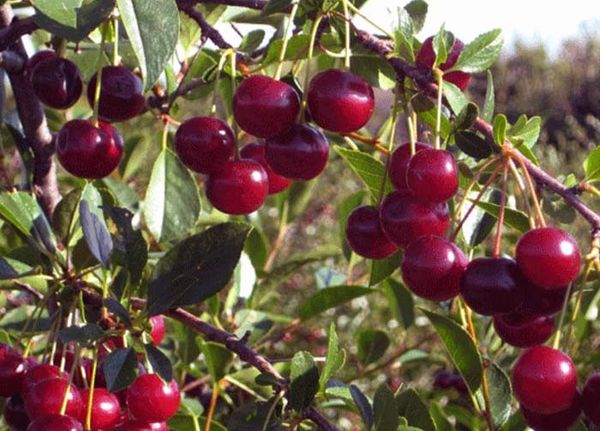
Each variety is unique. To ensure the seedling takes root, pay attention to the soil. Black soil is ideal: loose, breathable, and free of clay, which retains moisture.
Video "Planting Cherry Trees"
This video will show you how to plant cherry trees correctly.