
How to effectively propagate cherry trees in the garden
Content
Which method to choose
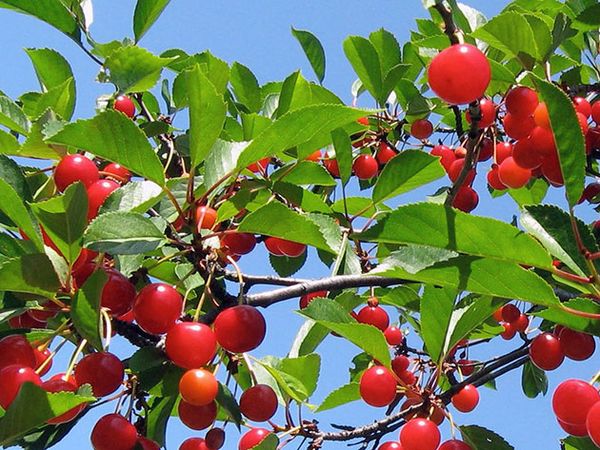
To know how to grow cherry trees on your property, you need to understand how this crop reproduces. This will allow you to avoid spending money on new seedlings and instead propagate the tree using natural formations. Cherry propagation is currently carried out using four methods:
- cuttings;
- vaccination;
- with bones;
- undergrowth.
When choosing a propagation method, remember that the procedure can be carried out in spring or summer. Let's consider each method in more detail.
Cherry cuttings
Cherry propagation by cuttings is considered the simplest method. This is a form of vegetative propagation. Preparation of the shoots begins in the summer, in June. Select green cuttings that have hardened and turned purple-red at the base. Once suitable branches are found, they should be cut from the mother tree. The best time for harvesting is in the evening and morning, in cool weather.
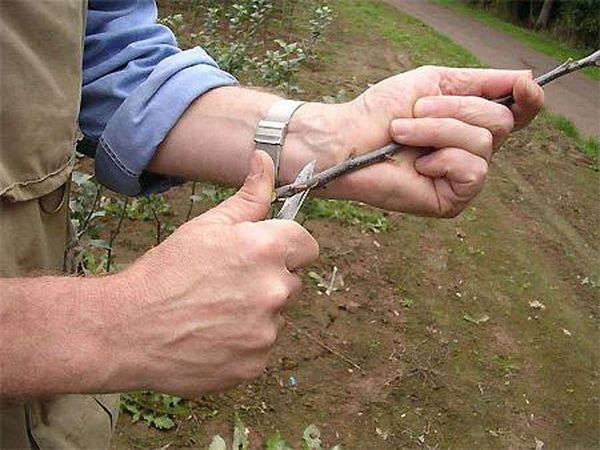
Felt cherry is propagated by cuttings using pre-prepared branches approximately 30 cm long. After cutting, they should be placed in water. To ensure rapid rooting, add a drop of growth regulator to the cuttings. The correct dosage can be determined from the instructions included with the product. Heteroauxin is commonly used for this purpose.
Cherry cuttings are tied into a single bunch of 30. They are placed in water or a specially prepared solution for 18 hours. Each branch should be submerged to a depth of 1.5 cm.
While the cut branches are soaking in water, you can prepare the beds. Fill them with a 10-cm-thick layer of soil mixture consisting of sand and peat. Coarse sand is added on top and leveled. Before planting the cuttings, the prepared beds should be thoroughly moistened and supplemented with mineral fertilizer (such as superphosphate).
If a growth stimulator was used when preparing the branches, planting should be done in the morning. Otherwise, the procedure is performed in the evening, but not during the day.
Propagating cherry trees using green cuttings requires proper care of the branches after they are planted in prepared soil. After planting, the branches are covered with plastic film. This should remain in the garden bed for about a month. During this period, water the plants using a sprayer or watering can. If properly cared for, the branches will develop roots within 14 days. Green cuttings should not be taken later, as rooting overgrown branches will be very difficult.
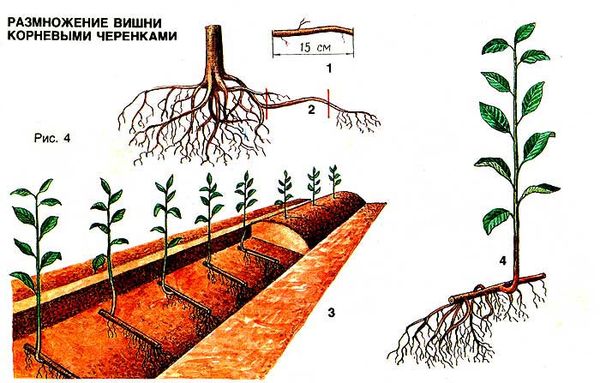
Propagation by layering involves creating the same conditions and subsequent care for the rooted cuttings as for ordinary seedlings.
As we can see, propagation by cuttings is a simple process. This method is ideal for the following varieties: Turgenevka, Molodezhnaya, Polevka, Shubinka, and Vladimirskaya.
Tree grafting
How can I propagate felt cherry or any other variety most effectively? Grafting is the way to go. When done correctly, this method produces very good results.
Here, two- or one-year-old wild seedlings are used. These will be grafted with the best varieties that possess the characteristics the gardener desires (such as early maturity, etc.).
Cuttings can be collected either in spring (in southern regions) or during the first ten days of winter. The branches should be at least 5 mm in diameter. Felt is removed from them (if it develops due to the variety's characteristics). The cut sections of the samples should be soaked in water at room temperature for a couple of hours. Then, several cuttings are taken from a single shoot. Each cutting should have at least four buds.
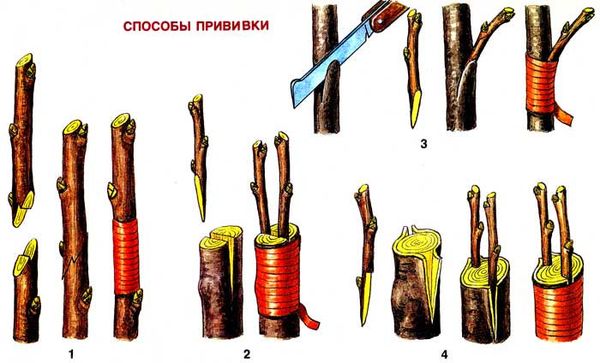
To prevent drying out, each shoot is treated with a special paraffin-wax mixture. If this treatment has been applied, the cuttings should be covered with plastic wrap after grafting and left on until new shoots form.
Grafting should be done before the sap begins to actively flow. Therefore, the best time is mid-March.
The following varieties can be propagated in this way: Plodorodnaya Michurina, Chudo-Vishnya, Sashenka, Yuzhnaya, etc.
How to propagate by seeds
Cherries can be propagated not only by cuttings and seedlings, but also by pits. However, this isn't the best method for propagating cherries. Pits taken for this purpose can be planted in the fall or spring. If the gardener uses a pit from a purchased berry, it can be planted in the summer as well.
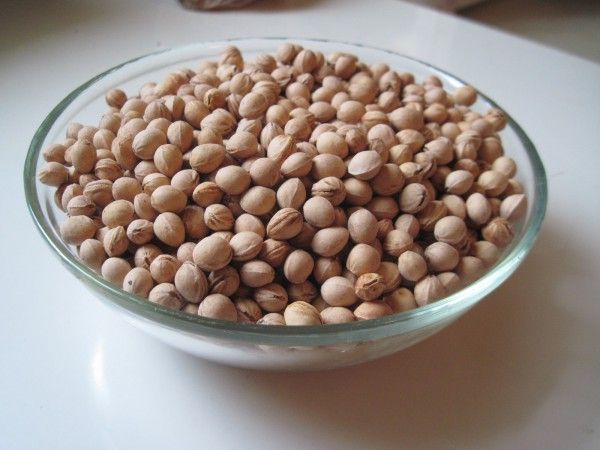
If the seed is grown in the spring, it should be thoroughly washed and treated with a weak solution of potassium permanganate. Then, without drying, it should be placed in moistened moss or sawdust. If planting is done in the fall (October), the seedling should be placed directly in its permanent growing location. To do this, dig a hole 3-4 cm deep. Leave 25-30 cm between the holes. You can plant 4-5 seeds in the hole at once. After winter, new shoots will begin to appear in the planting site.
It should be noted that propagating fruit trees this way is difficult, as the pits don't always produce shoots. Cherries grown this way will grow somewhat more slowly than those propagated by layering. And varietal varieties don't always pass on their traits to their offspring.
The list of varieties propagated by pits includes: Shubinka, Polzhir Magalebskaya, etc. Felt cherries are also often propagated by pits.
Propagation by shoots
Another propagation method is from shoots. This method is very easy to propagate cherry trees. It is often used in the northern regions of the country.
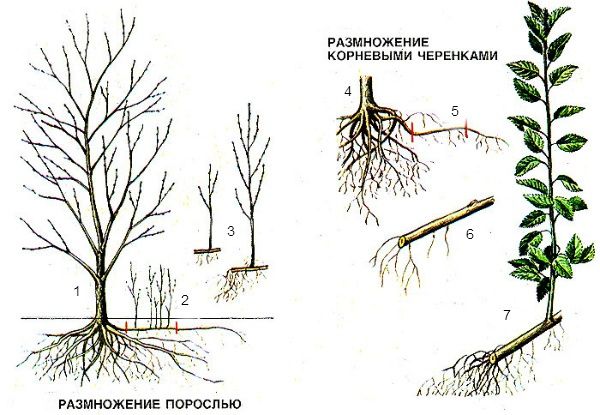
It's important to remember that not all young shoots will root or inherit all the characteristics of the parent plant. To ensure a rooted shoot produces fruit well, select only healthy and strong shoots. It's not recommended to use closely growing or perennial shoots. It's best to choose two-year-old shoots with a well-developed root system and branches.
Suitable shoots should be selected in the spring. They should be growing 20 cm away from the mother tree. Use a shovel to cut the roots of the selected shoots. Before doing this, the mother tree should be well fertilized. The soil around the trunk should also be loosened. These shoots can be replanted in the fall.
The disadvantage of this method is that many varieties have a low survival rate of the shoots. This method works well for several varieties: Apukhtinskaya, Plodorodnaya Michurina, Rastunya, Lyubskaya, etc.
Knowing how to propagate cherry trees from shoots allows you to quickly and affordably create a cherry orchard on your property. This is especially true if you combine several propagation methods for greater effectiveness.
Video: How to Root Green Cuttings
This video will show you how to properly root green cuttings.