
How to properly transplant a cherry tree to a new location in the spring
Content
When to replant
Before learning how to properly transplant a cherry tree, it's important to remember that it's virtually impossible to transplant a mature cherry tree without damaging the plant. After all, it's well known that the older the tree, the more sensitive its root system is to damage. Transplanting a felt cherry is no easier, as it only resumes stable fruiting a couple of years after transplantation. Incidentally, experienced gardeners recommend transplanting felt cherry trees exclusively in early spring. Fall transplantation can be unsuccessful for such a plant.
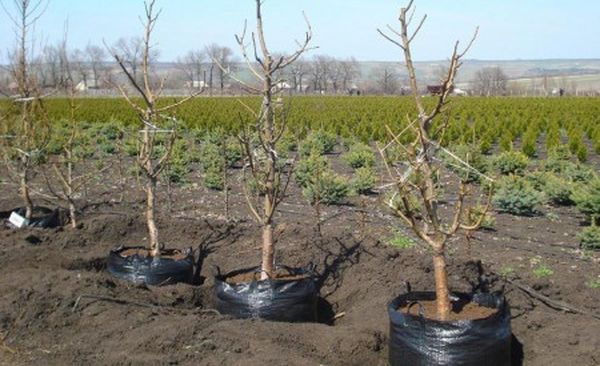
The answer to the question of when to replant a cherry tree is quite simple and applies to all fruit trees, including sweet cherries: during the dormant period. This means replanting the tree in the fall (after all the leaves have fallen) or early spring, but never in May. Replanting the tree during flowering is unacceptable. Such a procedure during flowering is only possible if absolutely necessary!
By replanting your tree in early spring, you'll ensure a good harvest the following year. Cherry trees either set fruit or bloom in the summer, depending on the region. Therefore, it's best to postpone this until at least the fall.
When it comes to deciding when to transplant a cherry tree, it's important to consider not only the season but also the current weather. A cloudless, warm day is ideal for transplanting.
Transplantation instructions
- Choosing a site. Before digging up your cherry tree in the spring, choose a site: it should be level, well-lit, and elevated. To prevent aphids from eating the cherry tree, choose a location exposed to the spring breeze.
- Soil is the key to success. Experienced gardeners can't understand how to transplant a cherry tree to a new location in the spring without choosing the right soil. Light, soft soil with low acidity is an excellent choice. The golden rule when choosing a transplant site is that the soil in the new location should be the same as the old one.
- Transplant cherry trees only to favorable neighbors! Avoid planting cherry trees near nightshades, raspberries, black currants, sea buckthorn, apple trees, and gooseberries. These plants will either harbor diseases that will lead to cross-contamination or prevent the tree from developing fully.
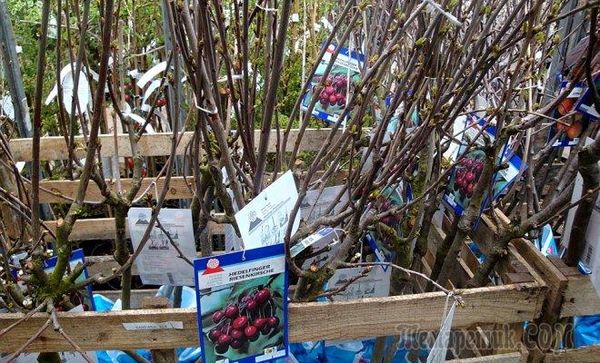
- Choosing replanting material. It's best to dig up 2-3-year-old seedlings. They haven't yet had time to adapt to the environment, so they'll tolerate the change of location well. Don't shake off the excavated material; leave it with the soil.
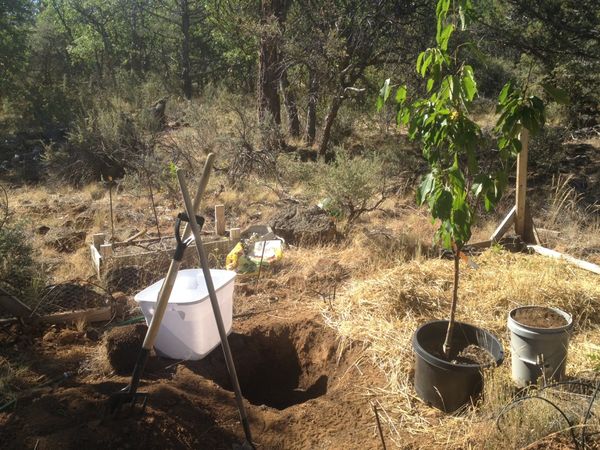
- Preparing the transplant site. Add fertilizer to a hole of medium depth and a radius slightly greater than the length of the lateral roots—potassium, phosphorus, or compost are excellent choices.
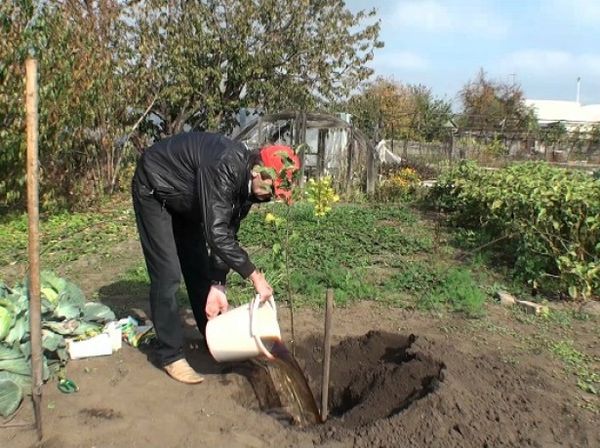
- Planting the seedling. Transfer the dug-up plant, coated with garden pitch and wrapped in burlap, to the new location. Remove the burlap and place the seedling in the center of the hole. Place a stake near the trunk for security. Then fill with soil, compact it with your feet, and water the plant. The transplanted cherry tree requires ample watering: at least 2 buckets.
It is much easier to transplant a cherry tree shoot than an old tree. In 99% of cases, the main reason for replanting is cherry suckers. The best time to replant is when the suckers are growing 2-3 meters from the trunk. Replanting should be done in spring or fall, following the same guidelines as for a mature plant.
Basic mistakes
Is it possible to plant cherry trees so you can enjoy clusters of juicy, healthy berries every year? Of course, you can. But only if you avoid the following mistakes:
- transplant cherry trees in winter, summer or during flowering;
- transplant the plant on a rainy, windy day;
- choosing the wrong place for transplantation: sheltered from the wind, darkened, with “bad” neighbors;
- choose the wrong soil;
- damage the root system when digging;
Transplanting cherry trees isn't a labor-intensive process. The key to success is knowing when, where, and how to transplant. If you follow all the above tips and take into account the climate, your transplanted cherry tree will delight you with a bountiful harvest for many years to come.
Video “Transplanting a fruit tree”
This video will show you how to properly transplant fruit trees.