
How to properly prune and rejuvenate a cherry tree
Content
Why and when to conduct
Caring for and growing garden cherries requires essential formative and sanitary pruning. Spring pruning is essential because it improves the health of the fruit tree and also increases yield. Furthermore, if you don't prune your cherry tree promptly, you could lose it entirely.
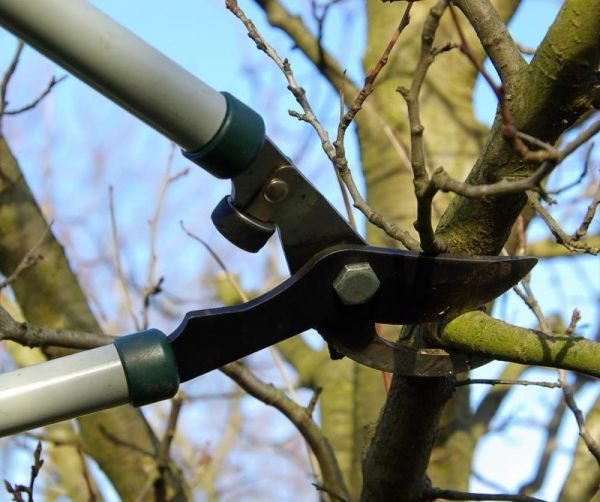
Proper pruning of cherry trees in spring allows you to achieve the following results:
- shape its crown correctly, so that the tree does not develop one-sidedly;
- increase crop yields;
- improve taste, increase fruit size;
- Remove old, diseased, or damaged branches from the cherry tree, thereby reducing the risk of disease spreading to the entire plant. This procedure rejuvenates the pruned cherry tree and prevents its premature aging.
So, when should you prune a cherry tree to achieve pleasing results? Cherry pruning is acceptable at any time of year, although the optimal time depends directly on the desired results. Pruning cherry trees in the fall prepares them for the long winter period. This should be done after the leaves have fallen, but before frost sets in – around October.
Spring pruning, on the other hand, helps the plant recover from winter. This is done in early spring, before the buds begin to open. The exception is if you suspect your tree or bush cherry may have been damaged by frost: in that case, remove the frozen branches after the buds begin to open. This typically occurs in late March or early April, but pruning in May is only possible in northern regions.
Types of pruning
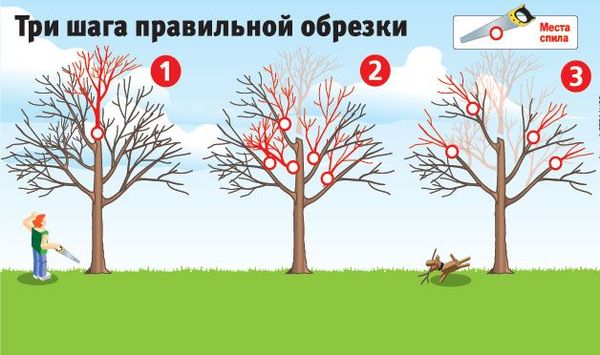
While pruning young cherry trees in spring is intended to add vitality to the plant, other types of pruning have slightly different goals. For example, during the first three years of a fruit tree's life, it needs to be pruned to form a proper crown. The second type, maintenance pruning, is performed in subsequent years to keep the plant productive. The goal of rejuvenation pruning, however, is to prolong the life of the tree and preserve its vitality.
Technology and features of cherry pruning
Before pruning a cherry tree in the spring, you should carefully familiarize yourself with the rules and specifics of the procedure. Regardless of when and for what purpose the tree is being pruned, it's crucial to use only very sharp and thoroughly disinfected tools. Let's take a closer look at the challenges you'll encounter when pruning a particular tree.
Young
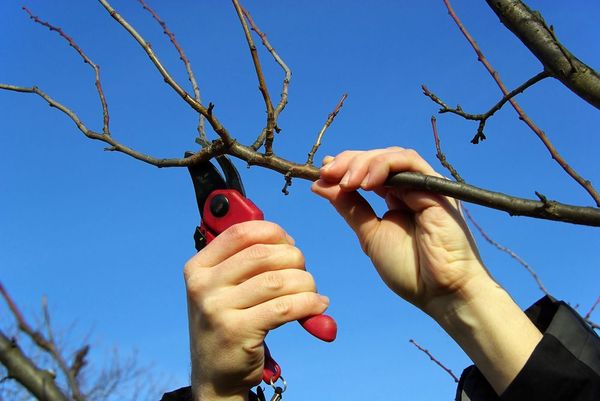
The cherry tree pruning scheme used for young seedlings is as follows: it's important to shape the crown properly and also help the tree establish roots so the root system can adapt immediately upon planting. In the spring, the cherry tree's top is carefully trimmed back, leaving no more than five main branches growing in different directions. Any excess branches should be trimmed off, and the cut areas should be treated with garden varnish or paint.
Remember to check the tree periodically to ensure it's developing properly and that it's forming a neat crown. As the tree grows, monitor the formation of new skeletal branches, remembering that no more than 15 should remain. It's recommended to trim any excess cherry or sweet cherry shoots.
When pruning a garden cherry tree, it's important to remember how and when to do it correctly, as failure to follow proper procedures can negatively impact future yields.
Fruitful
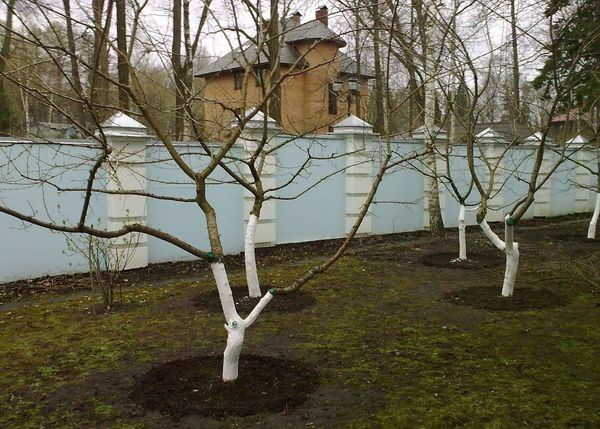
Is it possible to prune a cherry tree that has entered the active fruiting stage? Of course, it is possible, and sometimes even necessary. Pruning a cherry tree several years after planting, when the tree is already bearing fruit, can be done once a year in the spring: if you do everything correctly, this will be quite sufficient. A garden cherry tree that has reached the five-year mark should be pruned according to the following requirements:
- all branches that thicken the crown are removed, except for those that grow parallel to the ground;
- all shoots that interfere with the development of its frame branches are cut off from the tree;
- If the height of the trunk significantly exceeds the maximum height of the frame branches - by more than 20 cm, it should also be shortened.
Old
The main challenge for beginning gardeners in spring is pruning old trees: how and when is best to effectively rejuvenate them? To increase yield and restore the plant's vigor, it's necessary to significantly reduce the number of branches and shorten their length by about a third.
But before pruning an old cherry tree, plan the work carefully: for an older tree, a one-time procedure is unacceptable; it is better to prune branches and shoots in stages.
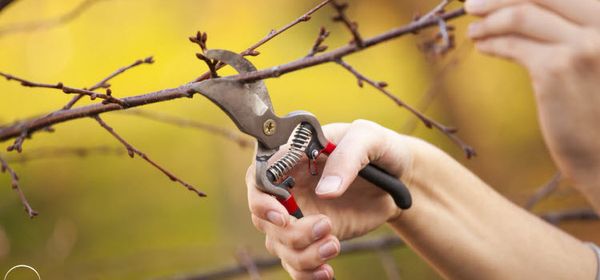
Tips and basic rules
When pruning in the spring, the pruning pattern can vary significantly not only depending on your intended purpose but also on the type of tree you have: a tree cherry or a shrub cherry. While the former produces fruit on one-year-old shoots and branchlets, the latter only produces fruit on one-year-old shoots. Be sure to take this into account when pruning.
A miracle like a juicy and fragrant cherry will surely delight your garden; the main thing is to carefully follow the care and pruning rules.
Cherry Tree Pruning Video
This video will show you how to properly prune cherry trees.