
How to effectively get rid of aphids on a cherry tree
Content
Description of the pest
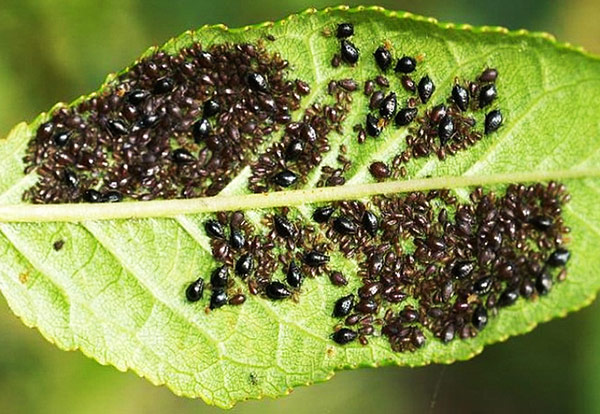
To feed on sap, aphids settle on the underside of leaves (at the base) and on the tips of young shoots. As a result of their activity, the plant stops producing the necessary growth, and the ovary fails to develop. If you don't take any action against the aphids, they actively reproduce, and as a result, the plant loses the ability to participate in photosynthesis, weakens, and becomes more susceptible to disease. After winter, such a tree may emerge so weakened that it eventually dies.
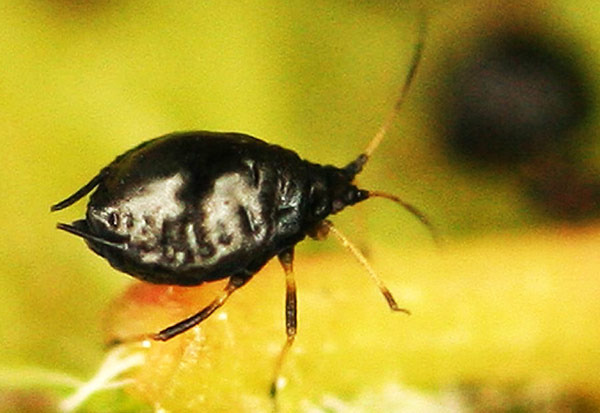
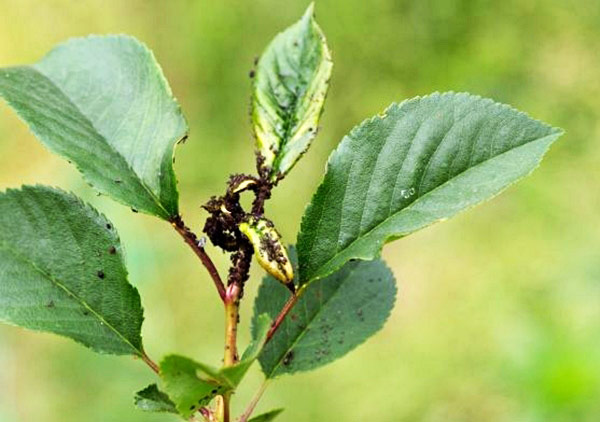
Fruit trees such as cherries and sweet cherries are most often affected by black aphids. It's extremely difficult to spot them in the early stages, before damage has been done to the tree. Black aphids on cherry trees often become visible when they become visible to the naked eye. The main sign of this pest on your trees is leaf curling. An increased number of ants on the cherry tree, moving along the trunk, also indicates the presence of black aphids. They act as guardians of the aphids, feeding on the sticky secretions secreted by the aphids and the insects they carry.
That's why it's crucial to deal with the ants first, and then move on to treating the trees. The answer to the question "How to get rid of ants?" is simple: the easiest and most effective method is to pour boiling water over the nests. This will not only reduce the adult ant population but also kill their eggs. You should also attach trapping belts to the tree trunk to help get rid of ants and other insects. To ensure their effectiveness, they need to be replaced periodically. Traps can be purchased at gardening stores.
Chemical methods of control
On trees, the fastest and most effective method of aphid control remains the use of chemical insecticides. Most of these can be applied in early spring, when the tree is developing new shoots that are most vulnerable to pests. There are also a number of products that can be applied after flowering, when they do not harm either the bees pollinating the flowers or the fruit that has already begun to set.
Gardeners most often cite the following as the most popular products for controlling aphids on cherry trees: "Iskra" – an insecticide against aphids and caterpillars that quickly destroys pests; "Komandor" – a long-acting product; and "Fitoverm" – a product that can be used 7-10 days before harvest.
These products are often simple to use. Before using them on cherry trees, mix the product with water according to the instructions. Then, begin treating the cherry trees for aphids. It is necessary to spray not only the areas with the greatest infestation of insects, but also the foliage that is not affected by them. Spraying is best done in the evening, on a day that is neither too hot nor rainy. Some products even specify the optimal temperature. The effect of chemical treatments becomes visible within 1-2 to 4-5 days.
Traditional methods
However, if you prefer organic gardening, there are several very effective folk methods for combating aphids on cherries.
One way to get rid of aphids on cherry trees is to prepare a mixture of washing soda, iodine, and liquid soap. For every 10 liters of water, mix 2 tablespoons of washing soda, 1 teaspoon of iodine, and 2 tablespoons of water. Mix thoroughly. Once all the ingredients have dissolved, you can begin treating. Gardeners swear by this solution, which not only effectively combats aphids but also prevents diseases.
Another option is spraying the trees with a celandine infusion. Take two large celandine bushes, chop them up, and add 5 liters of water. Add 1 tablespoon of any shampoo or liquid soap, stir gently, and let it steep for 4-5 hours. During this time, the water will turn dark yellow. Afterward, strain the infusion and begin spraying. This pest control method should be repeated every 10-12 days.
Ordinary ammonia is also an easy way to get rid of aphids. Use one bottle (40 ml) of the solution per 10 liters of water and add 2 tablespoons of liquid soap or shampoo.
The most important thing to remember is that no matter which spraying method you choose, treatment must be thorough, spraying both the outside and the back of the leaf. The most damaged leaves should be removed.
Effective prevention
All the above methods are effective and helpful. Remember them, and if aphids appear on your cherry trees, you won't have to worry about how to get rid of them. Furthermore, starting in early spring, preventative measures should be taken, even if your cherry trees haven't previously been attacked by pests. We already know how to treat cherry trees against aphids, but all of these options are also suitable for preventative measures.
In addition, don't forget to maintain basic garden care. Water and fertilize the trees, whitewash the trunks, spray them not only against pests but also against diseases, regularly prune damaged branches, and weed. This way, you'll not only monitor the health of your cherry trees and other fruit trees but also prevent a number of other problems.
Video: "Treating Trees from Aphids"
Aphids are a common problem for many gardeners. How can you protect your trees from them? Learn more in the following video.