
Characteristics of the winter-hardy cherry variety Griot Moscow
Content
Description and characteristics
The main advantage of this cherry tree is its successful combination of high yield and good cold resistance: this cherry variety was specially zoned for the capital and the Moscow region.
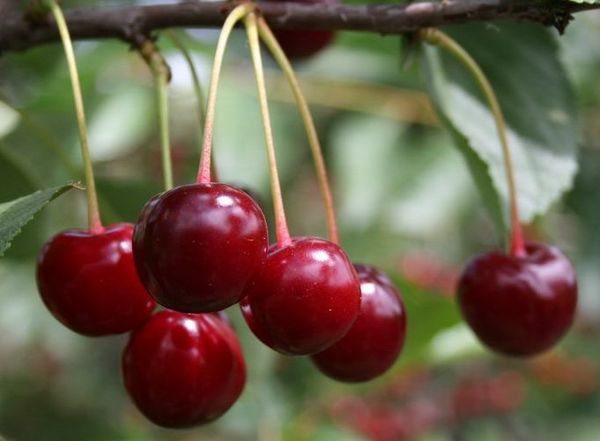
The main characteristics of this cherry tree variety include the following:
- a tree of medium height, rarely exceeding 3 m;
- the crown is dense, spherical;
- the average weight of each berry is about 3.5 g;
- The color of the fruits is very reminiscent of cherries - they are dark red, with one light side;
- the pulp has a high juice content, is dark red, sweet and sour;
- the period of mass ripening occurs in the second half of July;
- when you tear a berry from its stem, a wet mark remains;
- each tree can produce up to 16 kg of fruit;
- The fruiting period begins in the 4th or 5th year of the tree's life.
Features of growing the variety
Growing this variety is not much different from other varieties of garden cherry. For planting, it is better to choose a sunny place, protected from drafts, where there is no risk of moisture stagnation in the soil.
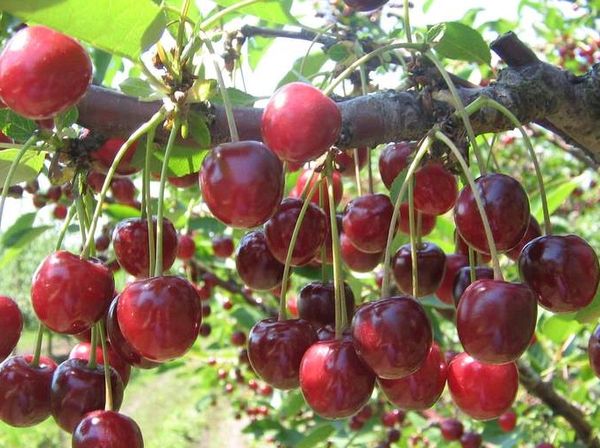
Saplings should be planted in the spring, after pruning the branches but leaving the roots intact. It's worth noting that Griot Moskovsky, like most cherry varieties, is considered self-sterile (requiring pollen from other cherry varieties to produce fruit). However, the concept of self-fertility is rather relative: for example, the Michurinskaya cherry, although self-fertile, still requires pollinators. Therefore, when purchasing a sapling, be sure to ensure that the young cherry tree isn't alone in your garden.
Once a calendar year has passed since you planted the tree and the cherry tree blooms, be sure to pluck most of the blossoms—this will help the plant establish itself better. Young cherry trees should be watered regularly—at least 4–5 times a month. Each tree will need one bucket of water twice a day.
The Griot Moskovsky cherry tree, as the variety description indicates, is prone to producing numerous root suckers. These suckers should be regularly removed, as they drain the tree's vitality.
Despite its claimed high winter hardiness, it's best to protect the plant from frost, especially during snowless winters: mulch the tree's trunk area with horse manure or any other covering material to protect against unexpected "surprises."
As the saying goes, everything new is well-forgotten old. Be sure to try growing a tried-and-true cherry variety, and we guarantee you'll be pleased.
Video: "Choosing the Right Cherry Tree Seedling"
This video will show you how to choose the right cherry tree seedling.