
Where is the best place to plant a cherry tree in a summer cottage?
Content
What soil composition is needed?
The answer to the question of how to plant a cherry tree begins with understanding the best location to plant the seedling. Soil type is often one of the limiting factors for a cherry tree's survival. Even good varieties of cherry or sweet cherry purchased from nurseries need to be replanted in suitable soil.
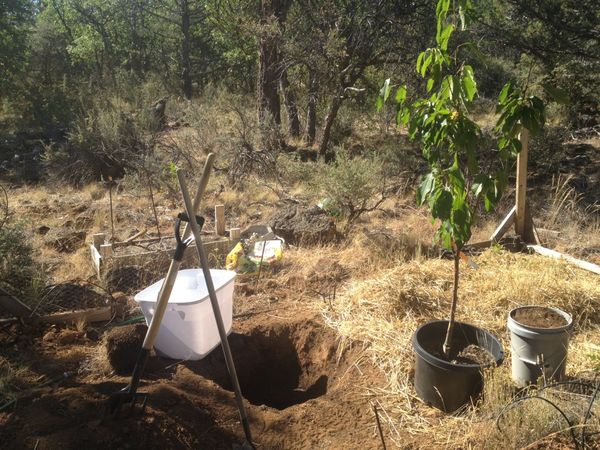
Ideally, these should be sandy soils with sufficient organic matter. How much clay is acceptable in the soil? Just enough to prevent the soil from becoming too heavy, and the soil should allow for normal gas exchange. It's best to plant cherry trees in slightly acidic or even neutral soils. The tree won't thrive in acidic conditions.
Particular care should be taken when planting felt cherry, for which the soil should not be acidic under any circumstances. If your soil is not of this type, it can be neutralized. Liming is usually used for this purpose. The amount of lime required depends on the type and amount of soil. The amount of lime is calculated using the following formula: acidic soils require half a kilogram of lime per square meter, while heavy loam soils require 0.8 per square meter.
What factors influence the choice of location?
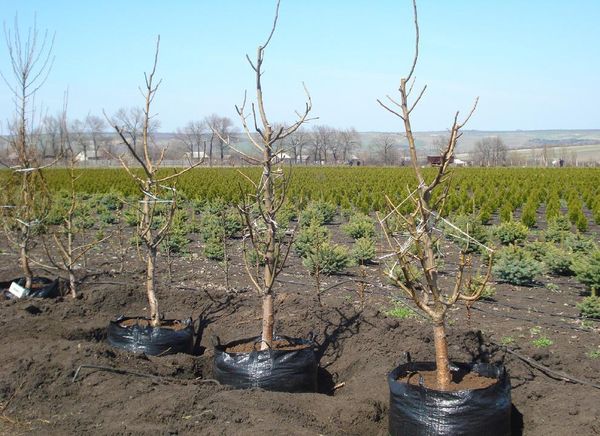
Understanding the many factors that influence a planted tree is key when choosing a location for cherry trees. Cherries prefer sandy, organically rich soils, bright, sunny locations away from strong winds. Therefore, the planting site should be chosen in a clearing protected from northerly winds and with adequate sun exposure.
It's important to remember that cherry trees shouldn't be planted closer than 2.5 meters to groundwater. This placement will cause them to wilt quickly. Pay attention to the variety's characteristics and calculate the distance based on the variety.
Gardener's Tips
Cherry is an ancient crop, so the answer to the question “Where to plant it on the plot” has long been given by entire generations of gardeners.
This crop is a heat-loving plant, so it should be protected from frost and cold winds. Gardeners recommend choosing a bright, wind-free location for planting. It's also important to remember that many cherry varieties cannot self-pollinate. Therefore, when planning your garden, consider the possibility that a single tree in a plot may not bear fruit. Neighboring trees can mitigate this problem, so always plant these trees in groups.
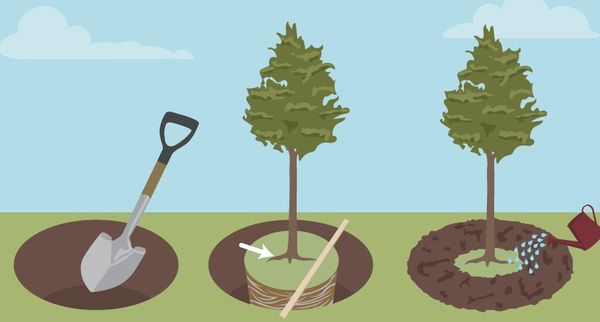
To improve fruiting and neutralize residual soil acidity, add a small amount of limestone gravel to the bottom of the planting hole. This will not only regulate the acidity but also provide adequate drainage for the cherry tree.
Be sure to water the tree generously after planting. It's recommended to carefully monitor the soil around the plant at first. However, this precaution will soon become unnecessary—by two years, trees no longer require such frequent watering.
The soil around young trees must be loosened to ensure adequate air circulation and drainage. It's also advisable to apply fertilizer at least several times every two to three years, but be careful not to overdo it. Excessive amounts of nitrogen and phosphorus fertilizers have a negative impact on plants and lead to rot.
Video: "Correct Cherry Tree Planting"
This video will tell you how and when to plant cherries.