
10 Best Cherry Varieties for the Northwest Region
Content
Beauty of the North
Bred by Michurin, it is frost-hardy and has good immunity to fungal diseases. In cold climates, the tree averages 3 meters tall, but in warmer climates, it becomes smaller. One of the best cherry varieties for growing in areas with variable climates (for example, the Vologda region).
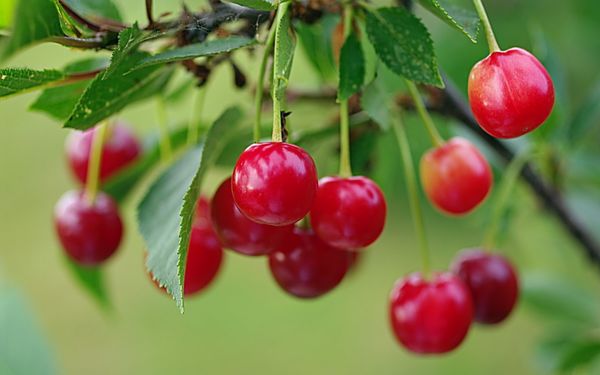
The harvest ripens in the first half of June. The berries are bright pink, large, up to 8 g, with a dessert-like, refreshing sweet and sour taste. They make excellent jam. The pit is medium-sized. The berries are firmly attached to the stalks and do not fall off for a long time; birds rarely eat them.
The aesthetic appeal of the wood allows it to be used for landscaping and decorating the surrounding area. Flowers and leaves are large.
Early Amorel
A folk-bred variety. Winter-hardy, suitable for growing in the north, including the Kirov region. Immune to fungal diseases. Frost resistance is similar to that of the best felt cherry for the northwest, considered to be the Okeanskaya Virovskaya.
Fruiting begins two to three years after planting. At about 10 years old, a tree produces 6–10 kg of fruit, depending on care and weather conditions.
The variety is self-fertile, but additional pollination with cherries or cherries will ensure the best harvest.
The berries ripen on average in July. They are characterized by thin skin and a sweet-sour, delicate flavor. This variety is considered a table grape.
Amorel Nikiforova
An early-ripening variety with good winter hardiness, suitable for northwestern Russia. Only in very cold winters can the flower buds freeze. It has good immunity to infectious and physiological diseases.
The tree is spreading, medium-sized (2.5–3 m). It begins bearing fruit in the fourth year. Partially self-fertile, the presence of other pollinators (especially Shubinka and Shpanka shimska) increases the yield. The productive lifespan of the tree is 15–16 years, with an average yield of 5–6 kg.
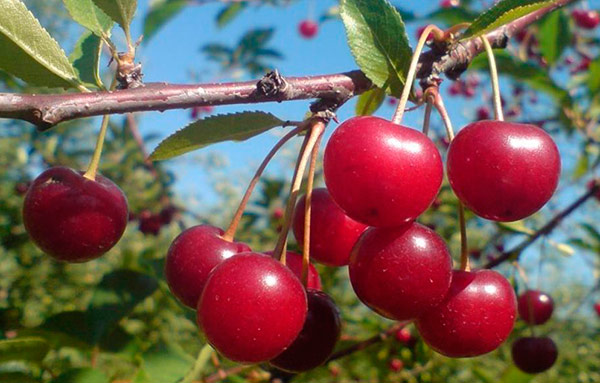
The fruits ripen as early as early July. They are small, light red, and weigh about 3 g. The juice is colorless. Due to the early ripening of Amorel berries, they are often eaten by birds, so it is recommended to cover the tree with netting.
Griot of Ostheim
A high-yielding German variety with moderate cold tolerance. The tree grows 3 to 4 meters tall, with a rounded crown and drooping lower branches. It can also be propagated by suckers. It grows better on its own roots than on rootstock. Self-sterile, the best pollinators are Lotovaya and Vladimirskaya.
It begins bearing fruit at 3–4 years of age. The fruits are dark red, weighing 3–4 g. Overripe ones are dark cherry red. The flavor is pleasant, wine-sweet, and slightly tart.
Lotovaya
A European self-fertile variety with moderate winter hardiness (fruit buds are susceptible to freezing). In northern regions, these cherry trees will require insulation.
The tree is medium-sized, with a sparse crown and drooping branches.
A late-ripening variety. Fruits weigh 4–4.5 g, are dark red to black, and slightly heart-shaped. The flesh is firm, sweet and tart, and suitable for processing. The stone is medium-sized and semi-separable from the flesh.
Vladimirskaya
A popular and widely grown variety. Due to its good winter hardiness, it is zoned for cultivation in the Tver, Tula, Ryazan, and other regions, and is recommended for cultivation in the Yaroslavl region.
Self-sterile, good pollinators are Shubinka, Korostynskaya and Lyubskaya.
The tree grows up to 3 m tall and begins bearing fruit after five years. This fruitful variety can yield between 5 and 20 kg of berries per tree, depending on the climate, with a productive life of 30–40 years.
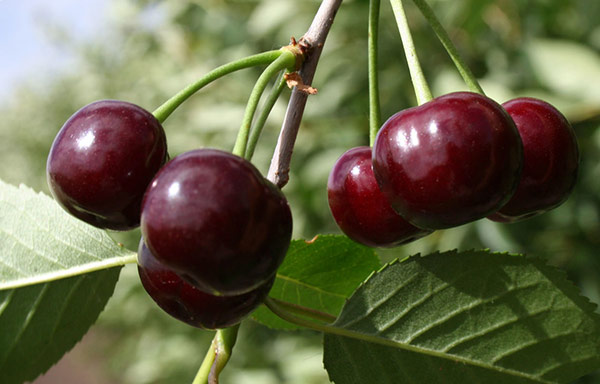
The fruits are large, about 4 g, sweet and sour, and dark red. They ripen in August and fall quickly, so they need to be harvested immediately. They transport well.
Shpanka Shimskaya
A local cherry variety bred in Novgorod. It has good winter hardiness but is susceptible to monilial blight. It is self-sterile and should be planted near other pollinators (suitable varieties include Lotovaya, Korostynskaya, and Vladimirskaya).
The tree grows up to 3 m tall. The crown is bushy and sparse. It begins bearing fruit at three or four years of age. The productive life span extends up to 25 years.
Ripening occurs in late July – early August. The berries are light red, slightly flattened, weighing up to 3.5 g. The pink flesh is juicy and aromatic, with a pleasant sweet and sour taste. The juice is colorless. The pit is medium-sized and separates easily.
Lyubskaya
When deciding which cherry tree to plant in your garden, consider this productive, home-grown variety. Its flower buds withstand cold even better than the Vladimirskaya variety.
A compact tree growing up to 2–2.5 m tall, with a weeping, rounded crown. It produces fruit within two years of planting, reaching peak fruiting at 8–10 years. It is self-fertile, so it can be planted away from pollinators.
The fruits ripen in August and can remain ripe for 2–3 weeks without losing their flavor. The berries are dark red, 4–5 g, and juicy. They are suitable for processing, including making cherry juice.
Ruby
A productive steppe cherry hybrid, relatively winter-hardy. Self-sterile, the Otechestvennaya and Vladimirskaya varieties are suitable pollinators.
The crown is low (2.5 m), wide, and highly branched, often forming a standard. It begins bearing fruit in the fifth year.
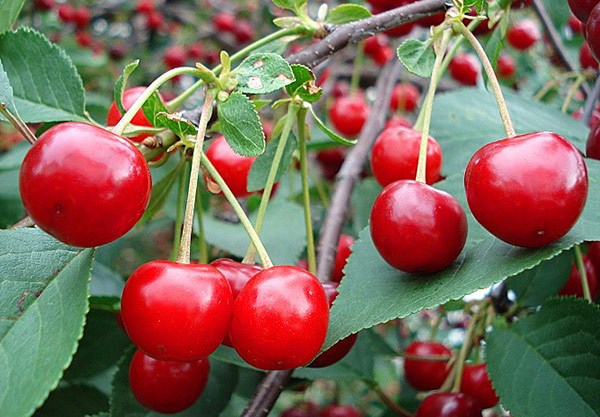
The harvest ripens in early August. The berries are bright red, weighing 3.5 grams, with yellow flesh and colorless juice, and a sweet-sour taste. The pit is medium-sized and separates easily. The stalk separates by lifting the skin, releasing juice.
Due to poor transportability, it is recommended only for private farms, without industrial cultivation.
Garden
A frost-resistant variety bred in Europe. Trees are medium-height, with a spreading, sparse crown.
Late ripening, high yield. Fruits weigh about 5 g, are distinctly heart-shaped, and very sweet.
Video: How to Plant a Cherry Tree
This video will teach you how to properly plant cherry tree seedlings in your garden to ensure a bountiful harvest.