
Description and cultivation of the Ukrainian cherry variety Chernokorka
Content
Description and characteristics
Chernokorka cherry trees are compact and low-growing (up to 3 meters), typically growing as bushes with a fairly spreading, flattened, rounded crown. Branches are medium-thick, very flexible, and pendulous, giving the crown a slightly drooping appearance. This cherry tree shape is very convenient for maintenance, pruning, and harvesting.
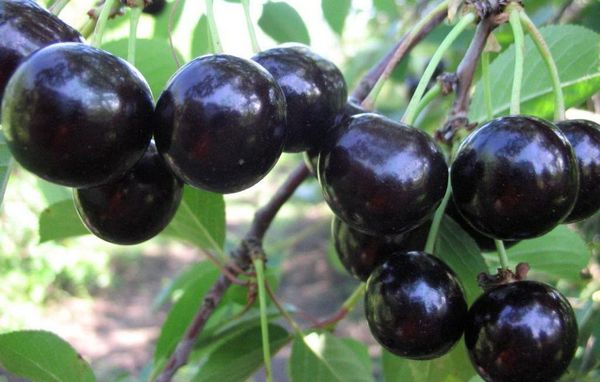
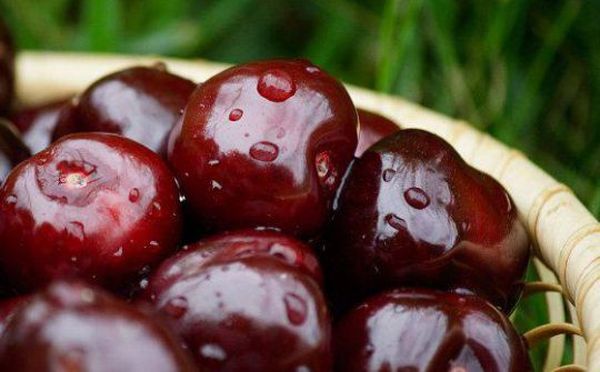
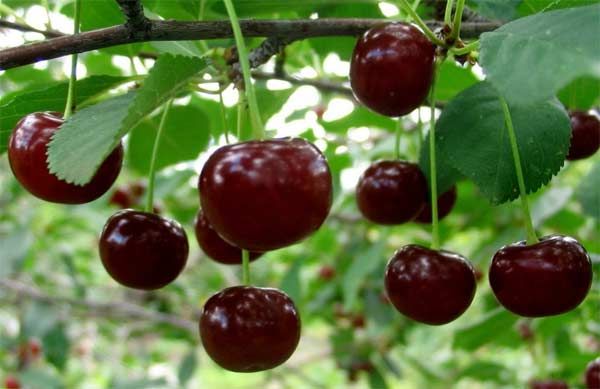
Continuing with the description of the variety, it's worth noting that Chernokorka's fruits are very tasty and visually attractive. Large berries (4.5–5 g) of a rich, dark burgundy, almost black color with a thin, shiny skin will impress any cherry lover. Their flesh is very juicy and sweet (9–10.6% sugar) with a slightly tart aftertaste.
The stone is small and easily separated from the pulp, and the berries are wet to remove. A strong, medium-length stalk holds the fruit securely, preventing it from falling off even when overripe. The fruit has a versatile purpose. They can be used to make a variety of desserts and preserves, eaten fresh, or frozen.
The Chernokorka cherry variety is famous for its excellent yield. Depending on its age, climate, and weather conditions, a single cherry tree produces between 30 and 60 kg of berries annually. In terms of ripening time, this cherry tree is considered a mid-late variety. The fruit begins to ripen in late June, and the harvest begins in early to mid-July. Chernokorka is not very early-bearing. The first berries can be tasted only four to five years after planting.
High varietal characteristics allow cherry trees to be grown in virtually any climate. They tolerate the droughts of southern regions and low winter temperatures well, but are very susceptible to fungal diseases. In particularly wet summers, trees are susceptible to coccomycosis, which significantly reduces yield and prematurely causes foliage to dry and fall as early as August.
Features of cultivation and pollination
Spring is considered the best time to plant young trees. Seedlings with closed root systems (in pots or containers) can be planted in summer. Planting this cherry variety in the fall is not recommended, as its small and fragile root system may not survive the winter in the event of severe frost.
Chernokorka cherry is demanding in terms of space and sunlight.
In a small garden, care should be taken to ensure there are no other trees within a 4 m radius of the cherry tree. Ideally, the feeding area per tree should be 12 m² if the cherry tree is grafted onto a vigorous rootstock, and at least 9 m² if grafted onto a medium-sized rootstock.
The size of the planting hole depends on the size of the root system, but is typically 70–80 cm wide and 60 cm deep. A layer of fertilizer (compost, superphosphate, potassium chloride) is placed at the bottom of the hole. This is mixed with the soil and lightly covered with a fertile topsoil. The planting holes should be prepared one month before planting.
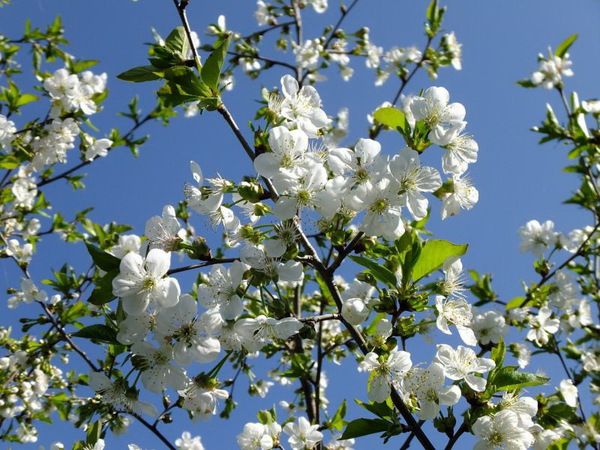
Chernokorka trees are self-sterile; they require pollinators to produce fruit, and this should be taken into account when planting the seedlings. It's preferable for these pollinators to grow nearby, preferably near cherry trees, which requires planning ahead for suitable fruit crops. Pollinators such as Lyubskaya and Griot cherries, and Donchanka, Yaroslavna, Aelita, and Melitopolskaya rannyaya cherries are beneficial for fruit yield and quality. The following pollinators are unsuitable for Chernokorka: Juneskaya rannyaya cherries, and Shpanka and Podbelskaya cherries.
Cherry tree care consists of standard procedures: watering, fertilizing, and formative pruning. During the first year, seedlings need to be watered frequently, as drought can negatively impact the rooting of young trees. Mature cherry trees are watered only as needed: in hot weather and once regularly, about a month before winter.
Fertilizers are applied 2-3 times per season.
In the spring, apply a mineral nitrogen complex (urea, superphosphate, potassium fertilizer); in the fall, apply phosphorus and potassium, along with organic matter such as humus or compost. Throughout the season, it's important to monitor the tree trunk area: loosen the soil, remove weeds, and mulch. For the winter, it's advisable to cover this area with leaves or a thick layer of humus, and wrap the trunk with durable insulating material.
Cherry trees require annual crown shaping. Bushy trees tend to develop small and basal shoots, which rob the tree of many nutrients. Regular pruning and removal of these shoots helps improve the tree's health and create an aesthetically pleasing, well-maintained crown.
Don't forget about preventative treatments for fungal diseases. Spray the crown with any copper-containing antifungal products in the spring and fall. And remember that timely and proper care will help avoid many problems when growing cherries and guarantee a good harvest.
Video: "Rules for Rooting Green Cuttings"
This video will show you how to properly root green cuttings.