
Characteristics of the low-growing cherry variety Bystrinka
Description of the variety
The Bystrinka cherry is a low-growing tree, reaching a height of no more than two and a half meters. This variety produces high yields, which are relatively easy to harvest due to the tree's short stature. These characteristics make it extremely popular not only among amateur gardeners but also in commercial production. This variety was developed through selective breeding, resulting in berries with excellent flavor and versatility.
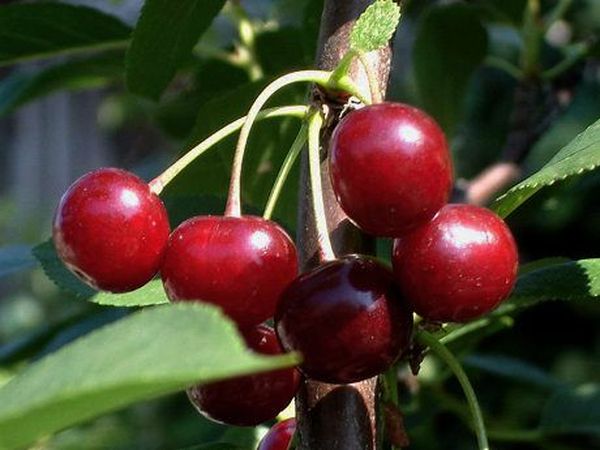
The fruits are rich in organic acids, vitamins, microelements, contain sugar, pectin and folic acid. This variety is partially self-fertile. It's easy to care for, relatively resistant to coccomycosis, but susceptible to moniliosis. Loamy soil with neutral pH is ideal for Bystrinka. Of course, a description of the variety would be incomplete without a list of its advantages:
- space saving (due to the compact size of the tree);
- high productivity;
- excellent taste characteristics;
- low height, allowing for easy harvesting;
- ease of care;
- excellent transportability of berries.
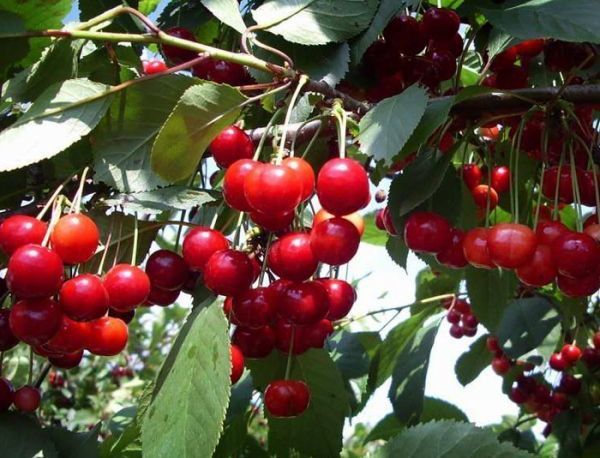
Based on the characteristic qualities of the cherry, the variety is promising for breeding.
Main characteristics
The crown of this cherry tree is not dense, but rather balloon-shaped, slightly raised and oval. Branches are brown, almost fawn, straight, and medium-length. Medium-sized buds are set well away from the shoots. The leaves are teardrop-shaped, with a gently pointed tip and serrated edges. The leaf structure is matte, slightly wrinkled, and slightly curved inward. The leaf is a typical rich green.
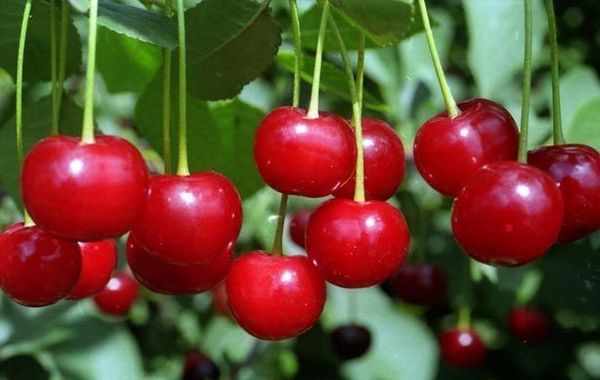
The bell-shaped inflorescences are composed of four white flowers, the petals of which are tightly intertwined. The corolla is approximately 22 cm in diameter. Bystrinka blooms in late spring, with ovaries typically forming on one-year-old shoots and bouquet branches. The fruits are quite large, weighing over four grams. The oval berries are a rich, dark red color with juicy, aromatic flesh of medium density. The berries have a sweet and sour taste. Fruit appears in the fourth year after planting.
The main requirements for growing cherries are the correct location and soil.
It's important to ensure the tree thrives in the chosen climate zone. Timely disease and pest prevention, as well as regular fertilizing, will help ensure an excellent harvest.
Video: Planting Fruit Trees
This video will teach you how to properly plant fruit trees in your garden.