
Planting and caring for self-fertile Bessey cherry
Content
Description of cherry
The Bessey cherry, a detailed description of which will be provided below, is a low-growing, multi-stemmed shrub, growing 0.8–1.5 m tall. When young, its crown is compact, with reddish-brown shoots that rise upward. However, around age seven, the bark begins to take on a gray tint, the branches droop, sometimes even trailing, and the bush itself becomes spreading. The leaves are elongated, more willow-like in shape than cherry, light green with a slight silvery-gray tint, turning a fiery red in autumn, further drawing attention to the bush.
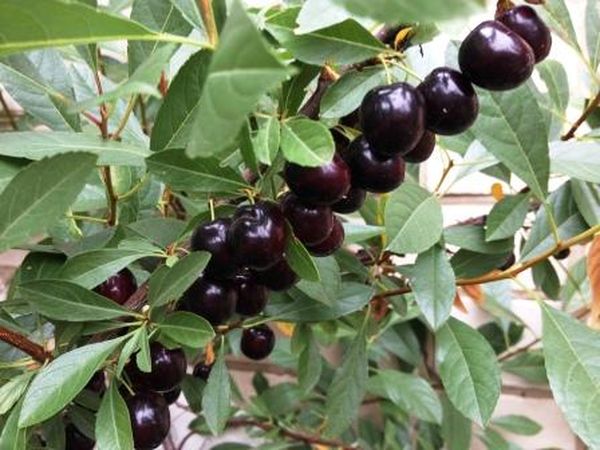
In spring, during its flowering period, the Bessey cherry tree becomes especially beautiful. Its branches are densely covered with small (1–1.5 cm) white, sometimes soft pink, flowers with red centers. Since this variety is partially self-fertile, the bush produces both male and female flowers. Cherry trees bloom at a very young age – in the second year after planting, and regularly produce high yields (3–8 kg per bush) every year.
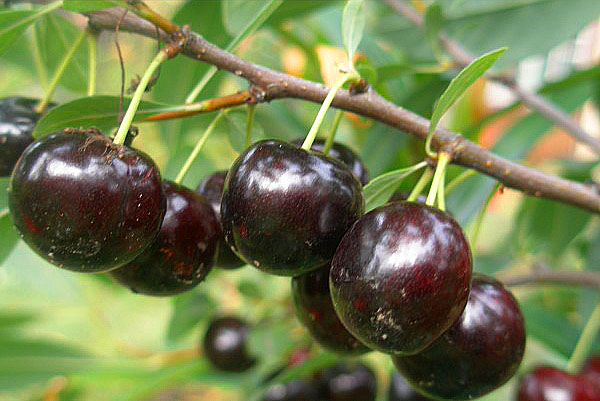
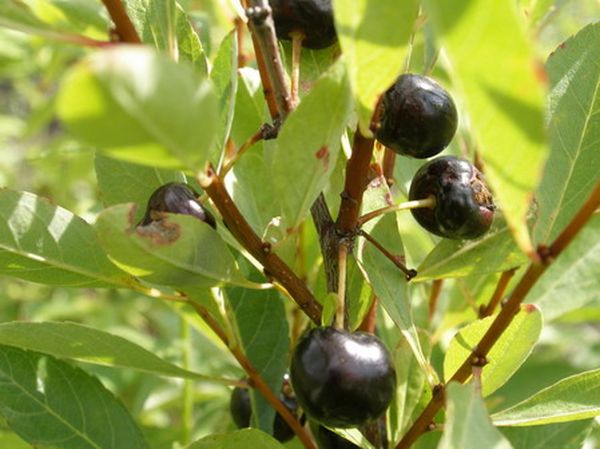
Bessey's fruits are quite large (2–2.5 g), round or slightly elongated, and dark purple, almost black, when fully ripe. The flesh is juicy, without a characteristic sourness, with a predominantly tart and sweet flavor, comparable to bird cherry or black rowan. Sand cherry ripens late, in mid-August. The fruits do not fall from the tree, and the longer they remain on the bush, the sweeter their flavor.
When grown in one location, the Bessey cherry bears fruit beautifully for 14-15 years, after which the yield gradually begins to decline due to natural (age-related) factors. This variety is distinguished by excellent winter hardiness—the bushes easily withstand temperatures as low as -5°C, making it suitable for cultivation not only in temperate climates but also in harsher regions such as Siberia, the Urals, and the Far East. Its high ornamental value allows it to be used in landscaping and as a hedge, while enjoying the unique flavor of its berries.
Hybrid varieties
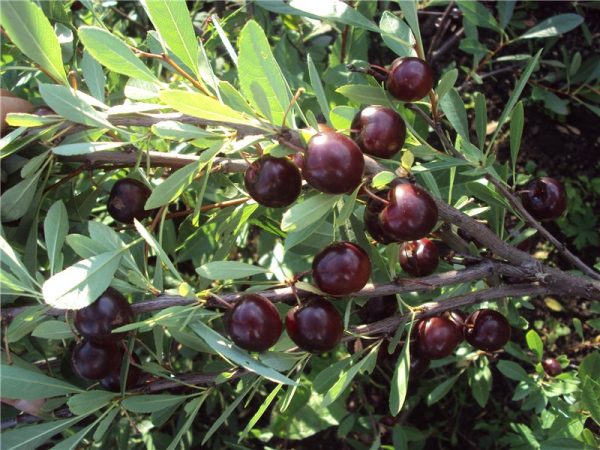
The high varietal characteristics and adaptability of the winter-hardy cherry variety Bessey have led to its widespread use as a plum rootstock. Through these experiments, breeders have succeeded in developing new, promising subspecies with sweeter red, yellow, and greenish fruits. These hybrids quickly gained popularity among gardeners, as they can yield up to 10 kg per bush.
These shrubs grow to a maximum height of 2 meters. Fruiting begins in the second year, and productivity increases annually. The fruits are larger than those of cherries and have a flavor more similar to plums. The trees require pollination, so several seedlings should be planted in the same area. They are propagated by layering or seeds, but with seedlings, the plant inherits the characteristics of only one parent—plum or cherry. Breeding efforts are currently underway to cross Bessey with apricot and cherry plum.
Planting and care
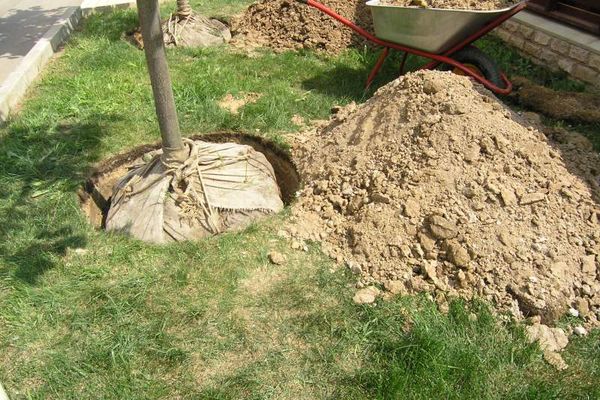
This cherry variety doesn't have any special agricultural requirements, so planting and caring for it won't take much time or effort. It's best to plant seedlings in the ground in the spring, but potted plants can also be planted in the summer or early fall. Planting follows the standard procedure:
- a hole is dug according to the size of the seedling's roots;
- a drainage layer must be placed on the bottom, since Bessey does not tolerate over-watering;
- fertilizers (compost, ash, superphosphate) are mixed with soil and poured into the planting hole in a mound;
- the seedling is placed on a mound;
- Next, the roots are covered with soil, after which the seedling is watered generously.
It's worth noting that the Bessey cherry is only partially self-fertile, so a pollinator must be planted nearby. This variety is easily pollinated by any stone fruit: regular cherries, plums, or sweet cherries.
The culture requires simple care:
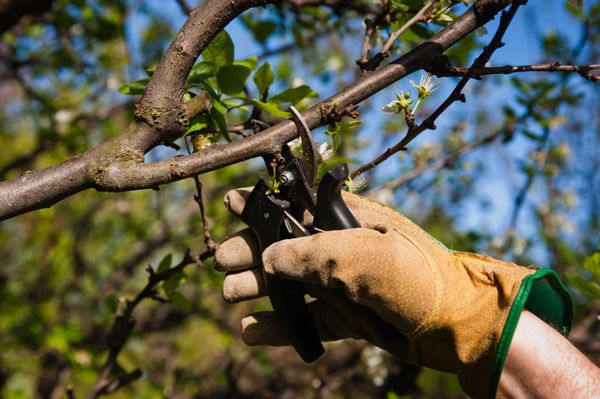
- For good fruiting, it is necessary to thin out the crown annually and trim the lower branches - it is from these that the harvest begins to diminish;
- To prevent the berries from lying on the ground, it is necessary to install supports in the form of a frame under the lower branches;
- In winter, to prevent the roots from freezing, the tree trunk circle is mulched - in particularly cold regions, the branches are bent down, and the bush is completely covered;
- Starting from the age of two (the period of entering fruiting), the bush needs to be fed: in the spring with a nitrogen mixture, in the fall - with phosphorus and potassium.
Diseases and pests
This variety is characterized by good disease resistance, and with proper care, the harvest will not disappoint. Shrubs should be treated with antifungal agents at the beginning of the growing season—first before bud break and again before flowering. For preventative measures, the bushes can be sprayed with Bordeaux mixture, Fitosporin, or copper sulfate—these products will also protect against major pests. Proper fertilizing and moderate watering will help reduce the risk of disease.
Pros and cons
Undoubtedly, Bessey cherry has many positive qualities, including:
- amazing winter hardiness;
- good and regular yield;
- undemanding to growing conditions;
- high survival rate;
- early maturity;
- good immunity to diseases.
The only downside to Bessey is the lack of sweetness in its fruit, but many gardeners value this variety for precisely this reason, as the juicy, slightly astringent cherries make an amazingly tasty and aromatic jam.
Video "Bessey Cherry"
In this video, you'll learn about the characteristics of the Bessey cherry and hear tips on caring for it.