
Description of the self-fertile variety of common cherry Assol
Content
Description of the variety
The Assol cherry tree was included in the State Register of Breeders in 2010. The tree grows fairly quickly, emerging as a medium-sized shrub, reaching a height of no more than 3 meters. It has a wide, spreading crown with medium-density foliage. Fruiting begins 3-4 years after planting.
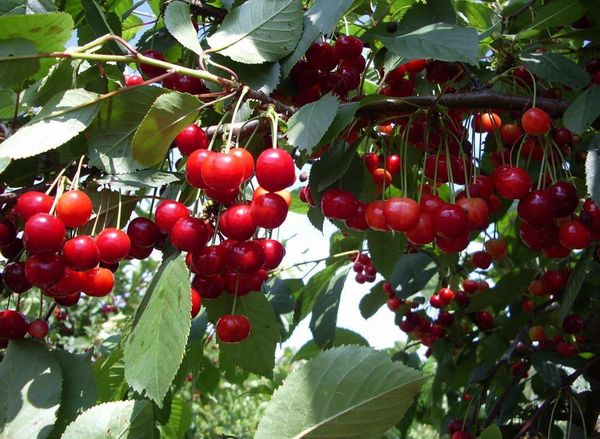
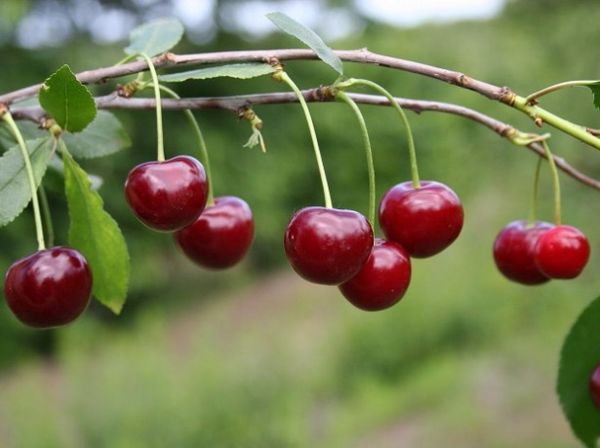
Like the common cherry, it has small, elongated, ovoid leaves, a rich green color, with slightly ruffled edges. The fruits are medium-sized, weighing 4–5 g, and dark red. The flesh is very juicy, sweet with a slight tartness, and the pit is small and easily separated from the pulp. Thanks to its rich flavor, garden cherries were rated 4.7 points by tasters, and gardeners often compare them to sweet cherries.
The common cherry Assol will delight you with the following advantages:
- self-fertility;
- frost resistance;
- high yield (on average, one tree produces 7 kg of fruit);
- immunity to pest attacks (an exception may be a hot, humid summer).
Characteristics of Assol
Assol is a mid-season variety; flowering begins in May, and the first harvest can be collected in mid-July. The Assol cherry is undemanding of growing conditions, so it will thrive and bear fruit in any soil type, but prefers soil with a neutral pH. It reacts negatively to nitrogen and potassium deficiencies in the soil, so appropriate fertilization is required.
In the fall and spring, depleted soils are fertilized with humus, and in early summer, nitrogen fertilizers are applied as a liquid fertilizer. It does not tolerate excess moisture, so if the groundwater level is close to the surface, growing the common cherry Assol is pointless—the tree will die within a few years anyway. Hobby gardeners make a big mistake when planting seedlings by placing the trees too close together—the crown of a mature tree must be well-ventilated to prevent pests from accumulating. Assol also dislikes shade and cold northern winds.
The Assol variety of common cherry is common in the central regions of the country and the Moscow region. The berries are used for industrial purposes, including cherry juice, preserves, jams, and more. The variety is also suitable for fresh consumption.
In central Russia, any type of common cherry can be successfully grown. The key is to choose the right planting site, create favorable conditions for the crop's development, and implement timely pest control measures.
Video: Cherry Tree Pruning Guidelines
This video will tell you how and when experts recommend pruning cherry trees.