
Description of the mid-season and high-yielding Anthracite cherry
Content
Description of anthracite cherry
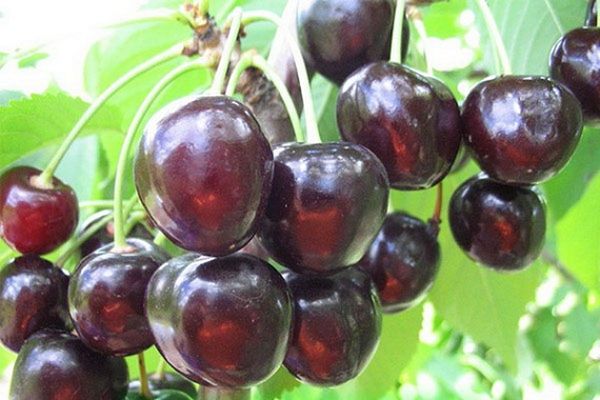
The tree of this cherry variety is quite small, reaching a maximum height of two meters. It produces small, almost black fruits—this quality is what gives this cherry its unique name. One of the main advantages of these berries is their ease of transportation.
To ensure a high and high-quality harvest, pay careful attention to the tree's location. It's best to plant it near buildings, ideally between them, as the Anthracite cherry variety isn't known for its frost resistance. It doesn't like standing water, and excess water can kill the plant. Also, be mindful of soil selection; these varieties don't thrive in heavy soils.
It is best to buy cherry seedlings in the spring, after which it is recommended to plant the tree immediately. Don't plant the seedling too deep in the hole; the top aerial roots should be 3-4 centimeters above the soil level. It's best to prune the branches immediately after planting.
Main characteristics
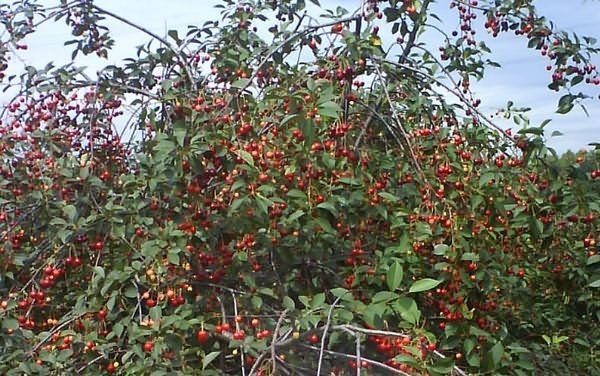
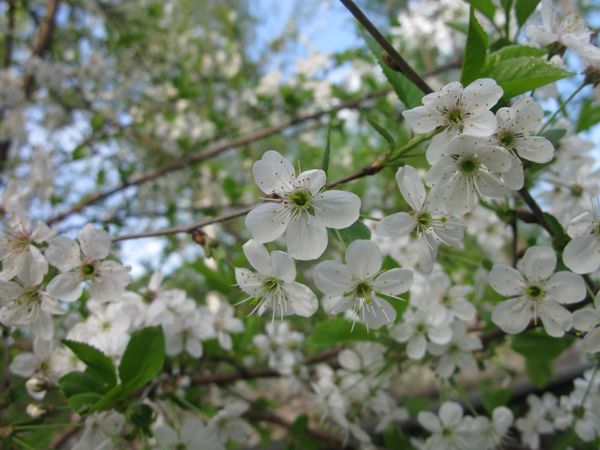
The anthracite cherry is a small tree with a spreading, but not dense, crown. The leaves are ovoid and a rich, bright green, smooth and glossy, slightly convex. During flowering, the tree produces white flowers.
The berries of this variety weigh a maximum of 5 grams. They are shaped like a small heart, almost black in color, and contain a deep red pulp—very juicy, with a delicate texture and a sweet and sour taste. Inside is a small beige-yellow pit that separates easily from the pulp—a quality that often qualifies this cherry variety as a sweet cherry. The pit accounts for 5% of the berry's total weight. Experts rate its appearance at 4.9 points—a very high score for this variety.
The tree begins blooming in mid-May, around the 15th to 20th, and the fruit can be harvested by the end of July. The first berries will appear four years after planting the seedling in the ground (with proper care). The variety description states that the plant is considered partially self-fertile and is somewhat susceptible to pest attacks. This cherry tree is not known for its high yields—it yields an average of 97 centners per hectare—but it is quite popular in the central regions of Russia, where it is highly valued for its production.
Anthracite cherry varieties are widely used in the food industry, and are ideal for making juices and jams. They are grown in private gardens for fresh consumption, and due to the tree's attractive ornamental appearance, they are planted as a striking decoration.
Its main advantages include good fruit production and versatility. Its only drawback is its vulnerability to pest attacks.
Video “Rules for replanting a fruit tree”
This video will show you how to properly transplant fruit trees.