
The best table and industrial grape varieties in Crimea
Content
Features of cultivation
Winemaking is highly developed in this region. Long, warm seasons with temperatures above 10 degrees Celsius, abundant sunlight, and rich soils create the most favorable conditions for growing both table and wine grapes in Crimea.
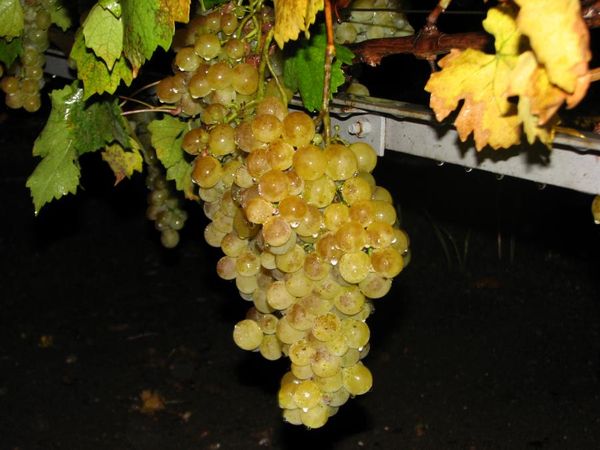
Typically, grafted vineyards are cultivated in this area using exposed vines and vertical trellises. The most common and considered most successful vineyard training method is a horizontal cordon on a medium- to tall-stemmed tree. The optimal planting pattern is 3 x 1.5 m. Drip irrigation is mandatory when planting new vines—this is essential for the rapid ripening of Crimean grapes.
The largest number of vineyards by area are located in the foothill zone (Bakhchisaray district), the steppe zone (Simferopol district), and in the areas administratively belonging to the cities of Yalta, Sudak, and Alushta. These areas offer the most favorable conditions for a good harvest.
The best varieties
Among the best and most popular varieties that successfully ripen in the South Coast region are Muscat Amber, Early Magaracha, Nimrang, and Shabash. Table varieties such as Moldova, Asma, and Cardinal are also very popular.
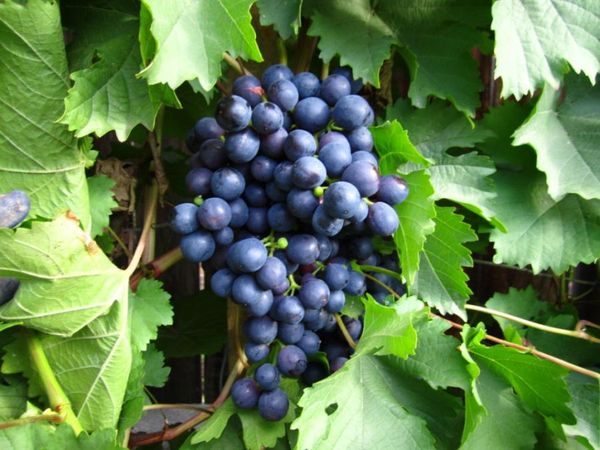
As for technical varieties, experts recommend growing the following varieties in this region: Cabernet Sauvignon, Pinot Gris, Semillon, Pink Muscat, Saperavi.
In the foothill region, the best varieties for cultivation are considered to be Chaush, Muscat Hamburg, Cardinal, and Early Magaracha—all table grapes. The best wine grape varieties for this area are recognized as Bastardo, Aligote, Cabernet Sauvignon, Bastardo, and Saperavi.
For the steppe region, the optimal choice would be table grapes such as Muscat Hamburg, Italia, and Agadai. Wine grape varieties suitable for this region include Aligote and Sylvaner.
Canteens
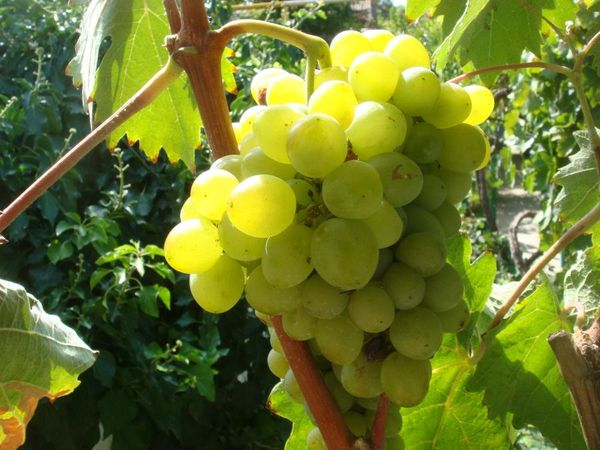
Viticulture in Crimea isn't limited to just these varieties. With proper summer care, you can get a good harvest from approximately 30 different grape varieties.
Among the main ones that can be grown here, it is worth highlighting:
- Shabash. Characterized by vigorous growth and bush development. The shoots are long and strong. The internodes are of medium thickness and elongated. Resistant to fungal diseases. The berries are large. The flavor is mediocre;
- Chaush. The bushes are strong and large. The shoots are long, thick, and yellow-brown. The fruits are large and round. The skin is thin. The flesh is juicy. This grape ripens in Crimea in August;
- Hamburg Muscat. The leaves are medium-sized. The flowers are bisexual. The clusters and fruits themselves are large. The skin separates easily from the pulp. The pulp is juicy, with a muscat aroma;
- Nimrang. The bushes are distinguished by their vigorous growth. The leaves are medium-sized. The flowers are functionally female. The berries are large and juicy. When ripe, they turn yellow-amber.
- Italy. Also known as Muscat Italia. Large, weighty clusters form on the bushes during ripening. The berries are large;
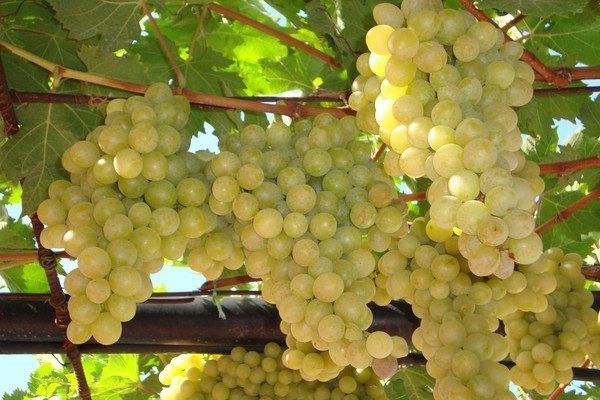
- Cardinal. Characterized by round berries. Ripens quickly. A special feature is its excellent transportability. The fruits can be transported long distances without damage.
- Agadai. A Dagestani grape variety. Characterized by large fruit size, the berries have an unusual oblong shape. The fruit color is yellow-greenish;
- An early Magarach variety. The leaves have a bronze hue. A single bunch weighs on average 200–500 g. The berries are dark blue and round. Characterized by high and consistent yields.
Technical
Among the most popular and best technical varieties for cultivation in Crimea are:
- Pinot Gris. Characterized by the formation of small, cone-shaped clusters. The berries are medium-sized and rounded. Due to the close proximity of the berries to each other on a single cluster, there is a risk of fruit deformation;
- Cabernet Sauvignon. A red variety, suitable for red wine production. The berries are round and dark blue. They have a characteristic waxy coating. The pulp has a distinctive aroma reminiscent of nightshade.
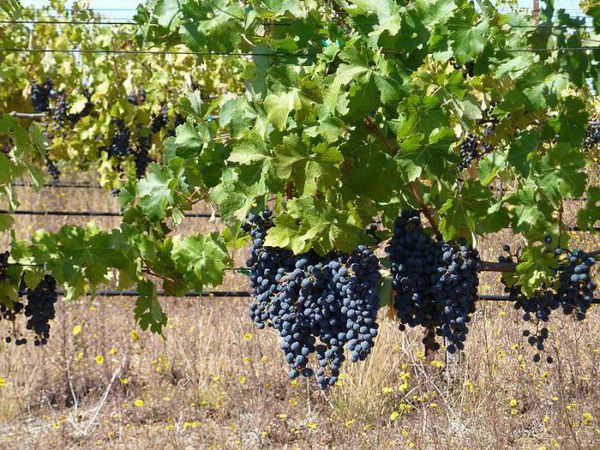
- Saperavi. Oval-shaped berries of medium size. They have an intense dark blue color due to a waxy coating. Suitable for making red wine. Characterized by higher sugar levels than Cabernet Sauvignon.
- Bastardo (Magarach). Developed by crossing two other varieties (Bastardo and Saperavi). As a result, this subspecies has the best qualities of both: a good yield and excellent flavor. Suitable for making dessert red wines;
- Aligote. A French variety. The berries produce excellent table wine and champagne;
- Sylvaner. Of Austrian origin. Grown primarily for white wine and champagne. It is also used to make sherry.
Video: "How to Properly Water Grapes"
This video will show you how to properly water grapes yourself.