
Peculiarities of growing and caring for grapes in central Russia
Content
Features of cultivation
Grapes are widely grown in central Russia. However, there are a number of unique climatic conditions. To ensure a productive harvest, gardeners adhere to the following recommendations:
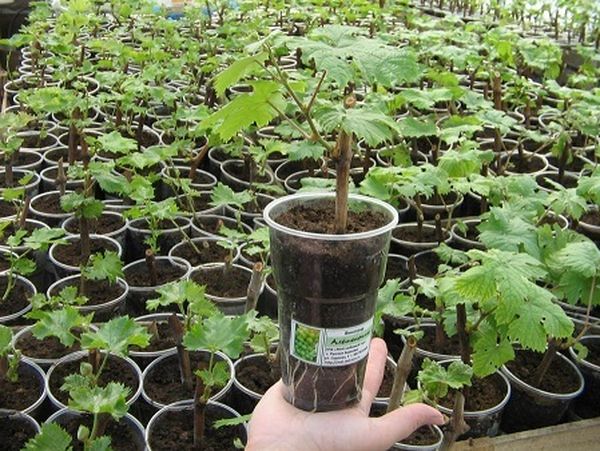
- A one-year-old seedling is planted in a container (bucket, pot, etc.), not in open ground. This is because the plants are moved to basements for the winter;
- the strengthened bush can be planted in the ground in a permanent growing location in the second year;
- Planting of plants of the same variety is carried out in groups, which allows monitoring the condition of less cold-resistant bushes;
- Seedlings should be selected from local vineyards. This way, the plants will be accustomed to the existing climate conditions.
Thus, growing grapes in temperate climates depends on many factors: climate, weather conditions, variety, planting format, etc. The key is to choose grapes suitable for temperate climates. Otherwise, plant maintenance will be much more difficult, and yields will be low.
What variety is suitable?
Growing grapes in the central part of Russia, for both beginners and professionals, always begins with choosing the right variety. To ensure a harvest with excellent flavor, it's important to choose the best grape varieties for central Russia. These varieties include Bulgaria, White Beauty, Bashkir Early, Crystal Laura, Arcadia, White Miracle, Kishmish 342, etc. They meet the following requirements:
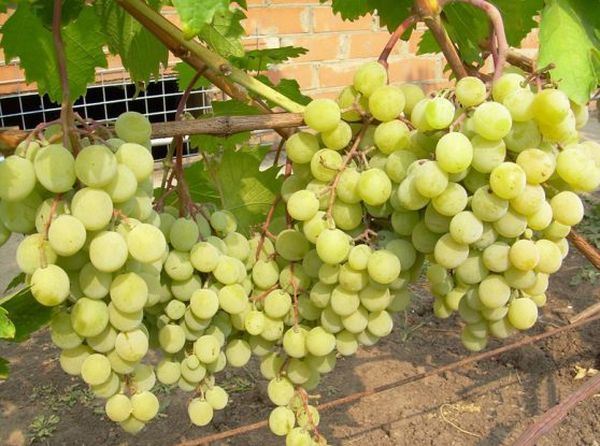
- good frost resistance;
- easy care;
- resistance to many diseases and parasites;
- good taste characteristics (when choosing wine grape varieties for the middle zone, always pay attention to their taste characteristics).
It's worth noting that early-ripening grape varieties for temperate climates produce a much faster harvest than late-ripening varieties. Therefore, these varieties are the preferred choice in this climate zone.
Secrets of planting
To grow grapes that produce excellent fruit, you need to plant the purchased seedling correctly. The planting process consists of several stages. Let's look at them in more detail.
Selecting a seedling
First, you should choose a good, healthy seedling. It's best to purchase it from a reputable nursery or from a familiar breeder. Ask the seller about all the details of growing the plant you've purchased. Each variety has its own growing characteristics and care requirements. These are listed on the label and in any specialized literature.
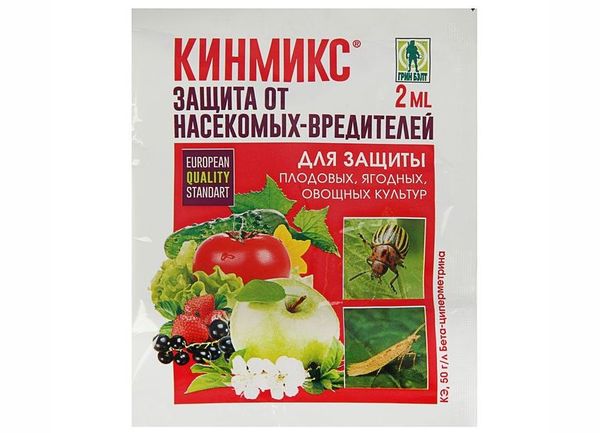
Seedlings should be purchased in spring (March or April). They should have a well-developed root system and a healthy appearance. After purchase, the plants should be treated with Kinmix or BI-58. All planting material should be treated with these products. This will protect the bushes from the pest phylloxera.
Preparing the site
Another important aspect of grape planting is choosing a site. How do you choose the right location? It all depends on the variety you purchase. However, the following selection criteria apply to virtually all varieties of this crop:
- the place should be closed from the winds from the north side (a fence or a building wall is necessary);
- the area must be well lit and warmed up;
- well-drained soil, water in the ground should not stagnate.
Using these parameters, you can quickly and easily select the optimal location for planting purchased seedlings on your garden plot.
Planting methods
Planting grapes is recommended in the second half of June. Sometimes this can be done in July. However, planting grapes from seedlings in the fall is not a good idea. However, if planting grapes in the fall is unavoidable, it's essential to make every effort to ensure the plants have time to establish roots before the cold weather sets in. These vines also need proper winter protection. Otherwise, they may freeze and die.
Before planting, store the seedlings in perforated paper bags. In early May, the plants can be transplanted into 5-liter buckets. The seedlings will grow in these containers until June. Place the bucket on a south-facing windowsill.
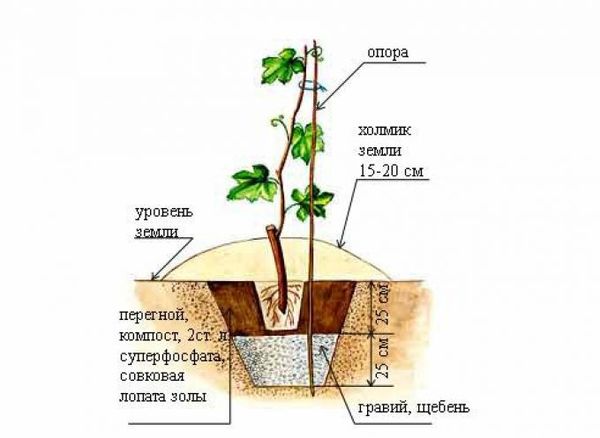
How to plant the seedlings depends on the soil type:
- in a trench. This is used if the soil is sandy;
- in raised beds ("tvorila"). This is used if the soil is loamy or clayey. There should also be shallow groundwater.
Whatever planting method is chosen, the plantings must be properly cared for.
Care Features
It's important to understand that proper care can accelerate fruit formation and ripening. With proper care, even in central Russia, you can reap a bountiful and delicious harvest.
Since grapes grow most abundantly in summer, this is the period when they require special care. This includes the following procedures:
- grape pruning;
- watering and irrigation;
- top dressing;
- application of fertilizers;
- preventive treatment;
- Covering any grape variety for the winter. In temperate climates, this is especially important.
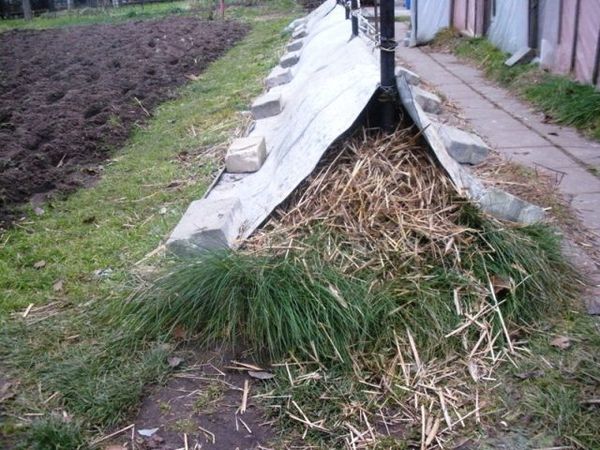
With timely care, propagation by cuttings can be carried out without any problems. This can save you money on purchasing new seedlings.
Pruning and shaping
Pruning grapes is an important part of their care. How can you speed up grape ripening? You need to prune them correctly.
It's important to understand that grape pruning involves several steps. These include trimming, removing side shoots, or pinching. Trimming requires particular care.
To increase fruiting, remove excess shoots, tendrils, and vines. This will ensure the plant directs all the nutrients it receives from the soil toward fruit ripening. However, remember that to achieve the desired results, pruning, side-shooting, and pinching must be done correctly.
At the end of the season, grapes are pruned to prepare them for winter.
Watering and soil care
To ensure abundant fruiting, it's important to water your grapes properly in the summer. This is especially important for young plants that have only recently been planted outdoors.
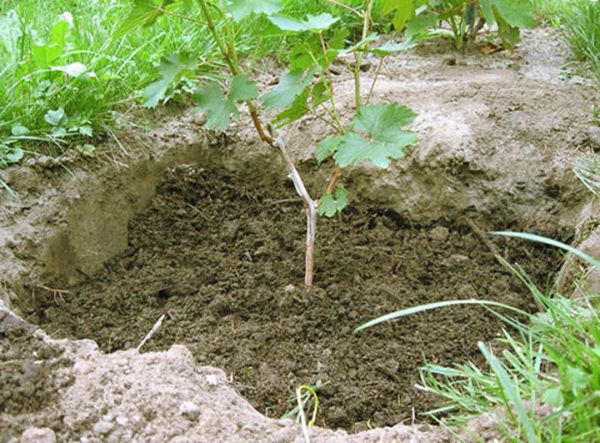
To avoid waterlogging in the soil, it's important to know how to water grapes. To improve water supply to the roots, you can bury a plastic bottle with the bottom cut off. Water through the bottle's neck. Avoid overhead irrigation, as this method encourages fungal diseases.
Wine grape varieties are less demanding in terms of watering than table grapes. However, in both cases, watering is most important in August, when the berries are ripening. However, watering should be stopped during flowering, otherwise the grapes may shed.
After watering, it is essential to loosen the soil and mulch it.
Fertilizer
Fertilize the bushes several times during the season. Grapevines are fed with mineral and organic fertilizers. These fertilizers contain all the elements necessary for fruiting. Fertilizing is done in conjunction with watering. Grapes in temperate climates should be fed during the winter to ensure they survive the winter.
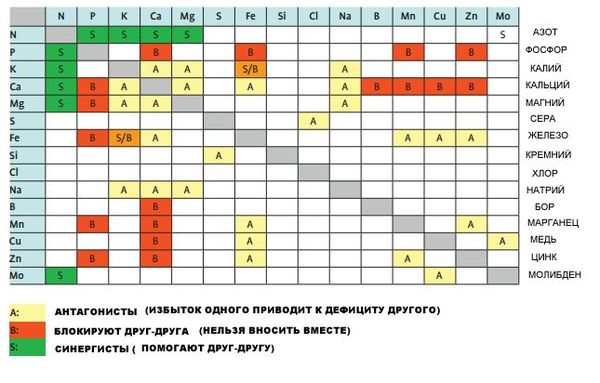
Treatment against diseases and pests
Throughout the season, grape vines need to be sprayed against pathogens and pests. Both chemicals and folk remedies are used for protection. Weed removal is also an effective preventative measure.
Preparing for winter
How to cover grapes for the winter? This question worries many gardeners. After all, if you don't know how to prepare your grapes for winter, you could lose your plantings. They'll simply freeze and die. Cover the vines first with straw, then with plastic film. The entire structure must be securely fastened to prevent collapse during the winter. In the spring, after the frosts have passed, the cover is removed.
As we can see, planting, growing, and caring for grapes in temperate climates are not particularly difficult. Even a beginner can handle them with the right amount of effort.
Video: "Growing Grapes in the Central Zone"
This video will teach you how to grow grapes in the central region.