
Caring for young grapes in the first year of planting
Content
What you need to know about growing in the first year
The first year after planting is the most crucial for your plant, as it determines whether it will thrive and produce a bountiful harvest. During this period, the plant can be very sensitive, and you need to provide all the necessary conditions. The main goal of caring for young grapes is to develop strong and resilient shoots, ensuring trouble-free growth for many years to come.
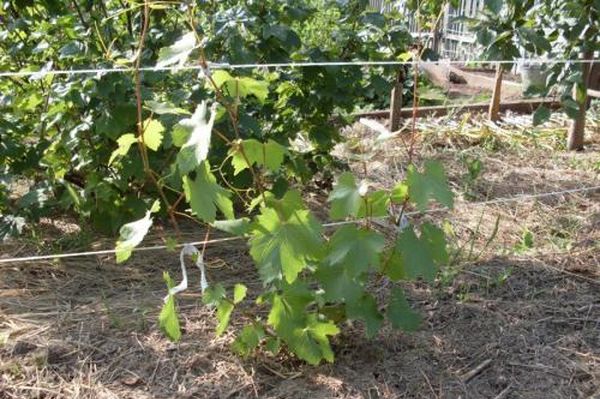
Caring for grape seedlings in the first year involves strengthening them and stimulating growth. That's why pinching or pruning are avoided during this period. Instead, focus on timely watering, loosening the soil, and trimming. Also, remember to protect the plant from frost, disease, and insects.
Care in the first year after planting
As we mentioned earlier, grape care in the first year after planting consists of several procedures: watering, loosening the soil, and piling. Let's take a closer look at these. Watering. Grapes require a lot of moisture in the first year after planting, so watering should be frequent and generous. The plant should be kept constantly moist—the soil should not dry out to a depth of 70 cm.
Typically, wait 10-15 days after planting and water the plant. The second watering is done approximately 2-3 weeks later (although it can be done sooner if the soil has dried out quickly due to heat). Water the seedlings with warm water that has been left to stand for at least a few days.
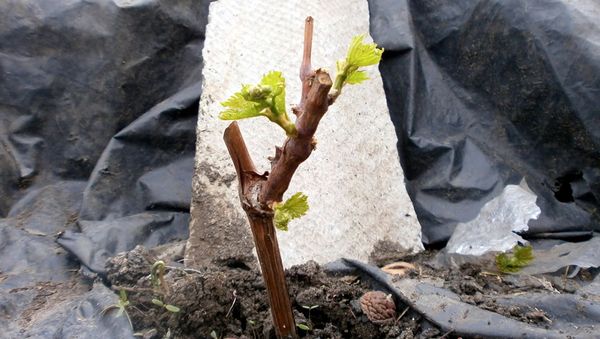
The procedure itself is best performed in the evening. In summer, watering can be combined with fertilizing, but be careful not to overdo it. Loosening the soil is essential, otherwise a thin crust will form, preventing the roots from receiving sufficient oxygen. This procedure should be performed every time after watering and after rain. Be very careful and use a special wire scraper to avoid damaging the plant's root system.
Cutting. This procedure involves removing the upper part of the root system and rootstock. It's done to allow the grapevine roots to penetrate deeper into the soil, which in turn will improve the plant's frost resistance. It should be performed in late June and early August.
Dig a hole approximately 25 cm deep around the trunk and trim the top roots. When you do this a second time, don't fill the hole completely, but leave about 10 cm. When the shoots become too large, you can pinch them back. It's also recommended to tie them to stakes as they grow to prevent them from breaking in gusts of wind.
How to prepare a bush for winter
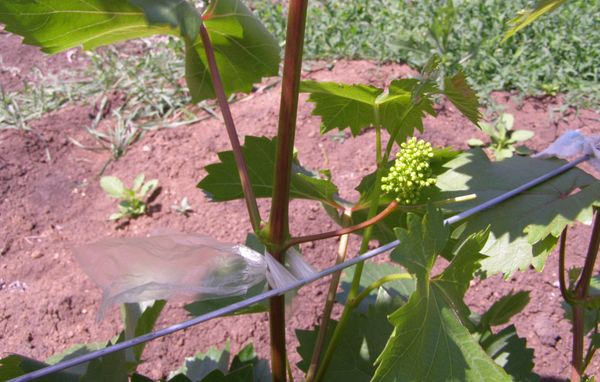
In the year of planting, it is necessary to pay special attention to the plant’s first wintering and ensure that it is successful.
Remember that grapes are very heat-loving plants and therefore have a hard time with frost. At the end of August, be sure to apply mineral fertilizer to ensure the plant's energy. After the grapes have had a few weeks to absorb the nutrients, thoroughly dig the soil (including between the rows), wait until the leaves have completely fallen, and then cover the young shoots. Depending on weather conditions, digging should be done either in September or October.
To cover the vines, dig a separate trench (about 30 cm deep) for each bush. Tie the shoots that have grown over the summer together with rope and carefully place them in the trench. Before this procedure, be sure to remove all weak shoots. Cover the vines with soil—usually 25–35 cm deep, depending on how cold the winter is in your region.
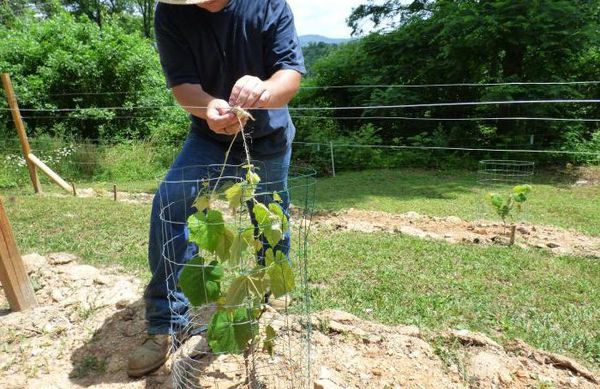
Additionally, if you don't want to cover the shoots with soil, use any other material that will reliably protect the vines from the cold. This could be roofing felt, tarpaulin, or ordinary plastic bags. The main purpose of winter shelter is to prevent snow from reaching the grape roots, so any material that can achieve this will do.
It's also important to remember that with the arrival of spring, you shouldn't immediately unwrap the plant's cover (or remove the soil layer). Spring frosts can easily undo all your previous efforts and destroy the shoots. Therefore, wait until April, when there are no longer any sudden temperature fluctuations or cold spells, and then confidently "free" the plant from its cover.
Pest and disease control
The last point worth mentioning is protecting your pet from diseases and harmful insects. The risks of this are quite high, as the shoots are still very weak in the first year and can be easy prey. For example, flea beetles, spider mites, and grape moths are quite keen to feed on leaves and shoots. Copper sulfate, as well as products like "Raek" and "Chlorophos," have proven effective in controlling them. If you prefer not to use chemicals, a soap solution (a bar of laundry soap dissolved in a bucket of water) sprayed on the shoots will also work.
Fungal diseases are the most common. They can be controlled with Bordeaux mixture and various fungicides. If you choose to use Bordeaux mixture, the first treatment should be with a 5% solution, and the second with a 1% solution (no later than a month after the first rain). Preventative treatments are usually carried out in the spring, before the first leaves emerge.
Video: Caring for Young Grapes
In this video you will hear useful tips on caring for grapes.