
All the necessary procedures and complete care for grapes in summer
Content
Summer care features
A beginner should definitely learn how to properly care for grapes during the summer months. Learn what to do with grapes in June, and you'll soon be able to look forward to the first fruits. Summer grape care—both in the first year and in subsequent years—typically involves several basic procedures. These include pruning, fertilizing the soil, and spraying against pests. But to ensure all these components are carried out correctly, caring for young grapes should be done step by step.
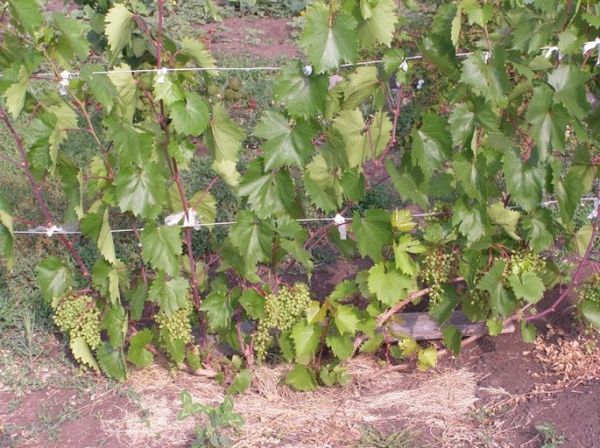
All green operations
Proper summer care for grapes will promote vigorous growth and accelerate fruit ripening. To understand where to start, consider the following June plant care requirements:
- it is necessary to control the intensity and direction of growth of foliage and the bush as a whole;
- a separate stage in grape care is protection from pests and diseases;
- It is very important to create all favorable conditions for the growth of the bush;
- It is also recommended to remove weeds and pinch off shoots in a timely manner.
To ensure that grape care in June is carried out according to the rules, it is necessary to consider them in more detail.
Tying up
Growing and properly caring for grapes begins with timely tying up of the bushes. To achieve this, the vines need to be tied to a trellis after planting. This will ensure the correct growth direction. The appropriate timing for this procedure largely depends on the region's climate. For example, in regions where there's typically no frost in April, staking can be done at that time. However, in most central and northern regions of the country, it's best to begin staking in June.
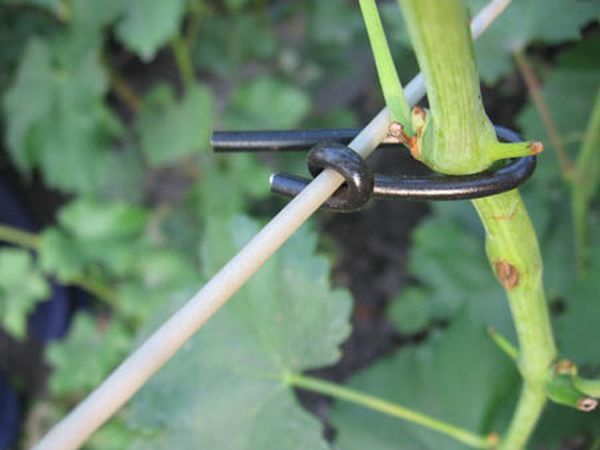
Fragment
To ensure grapes bear fruit in August, it's important to pay special attention to pruning old, weak, or overly dense shoots. First, you'll free the bush from weak shoots, which are unlikely to properly form and ripen grape clusters. Second, you'll be able to "regulate" the load on the branches. Remember: pruning shoots should only be done if they haven't yet reached 15–20 cm in length; otherwise, you'll only damage the plant.
Topping
Caring for grapes in August often involves grafting. For this, cuttings must be prepared in advance. They are used in their woody state. Pinching is done to implant the old cuttings into the bush. This can significantly rejuvenate a grape bush that is no longer producing as much fruit as it once did. It's best to have at least two buds on each branch.
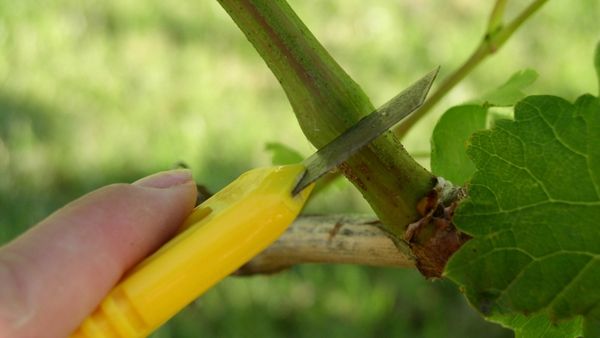
Pinching out stepsons
Growing home vineyards is a responsible undertaking, so you need to learn to pay attention to various details. For example, the bush often develops greenery that doesn't affect the intensity of fruiting. It's recommended to remove any side shoots you might find in the leaf axils, as well as runners. This way, all the bush's energy will be focused on ripening the grape clusters.
Coinage
Caring for grapes in July and early August also includes a procedure called pruning. It is recommended to cut the tops of the shoots before the first full leaf (approximately after the 15th). This procedure is necessary because after it, the intensity of branch growth decreases, while the vine devotes more energy to accelerating fruit ripening.
Removing excess inflorescences and leaves
Winegrowers caring for young bushes should also take into account the fact that from time to time it is necessary to remove excess inflorescences and leaves from the plant.
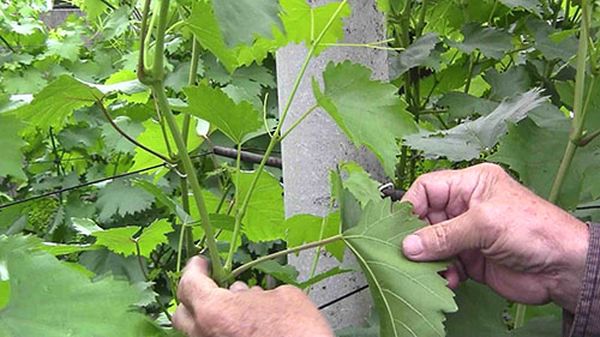
Let's say there are no more than three weeks left until harvest. This means it's time to start removing some leaves. First, remove the leaf blades growing at the base of the bush. Then, remove any leaves that are shading the grape clusters.
Fertilizing and watering
Grapes grown in a garden also need to be fertilized properly and on time. The intensity of fruiting depends on this. Spraying the grapes with liquid nutrients is not the best solution. Typically, a small hole or trench is dug 50–80 cm from the rhizome of the bush, into which the fertilizer will be applied. It's best to divide this entire process into three key stages:
- In early spring, it's worth adding nitrogen mixtures and superphosphate to the soil. For effective fertilization, it's recommended to dilute the fertilizer in water;
- before the flowering phase begins, superphosphate, potassium and nitrogen mixtures are added to the substrate;
- When the berries ripen on the bush in July-August, phosphorus and potassium fertilizers are added to the soil.
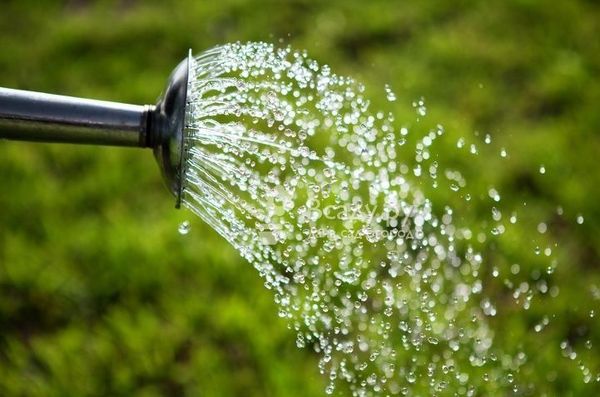
Remember to water the vines while fruit set. Once the flowering phase begins or harvest approaches, irrigation should be stopped.
Pest and disease control
What should you do to protect your grapes from various diseases and pests? To do this, you need to find out what sprays to use on them. Typically, grapes suffer most from fungal diseases. Using store-bought products will help prevent them. The choice of product depends on your preferences and cost. The key is to choose products that contain colloidal sulfur and copper.
As a preventative measure, try to regularly inspect your grape clusters. If the berries have blackened in places, cracked, or begun to rot, it's recommended to remove them from the vine, as they can cause serious diseases. Growing grapes in Chuvashia, the Rostov region, or Ukraine can be quite productive if you follow basic care recommendations.
Video: Planting and Caring for Grapes
This video will teach you how to plant and care for grapes.