
Secrets of grape care for beginning winegrowers
Content
Caring for young grapes
Grapes were cultivated as a crop 7,000 years ago, as evidenced by frescoes and bas-reliefs in the tombs of Egyptian pharaohs. Viticulture flourished in Assyria, Babylon, and Ancient Greece. In Russia, the first vineyard appeared in Astrakhan in 1613.
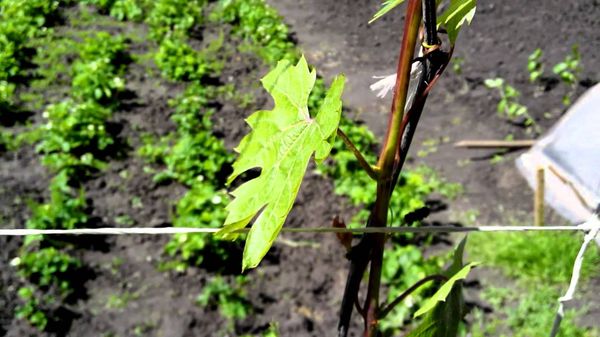
Planting can be done in the spring. It's also possible to plant in the fall. Growing and caring for the shrub during its first year at the dacha involves regularly loosening the soil, moderate watering, and treating for diseases and pests. Caring for grapes also involves beginning work on shaping the future viable vines. There are care guidelines for the spring, summer, and fall.
How to care for grapes in spring? When temperatures drop below -5°C, remove the winter cover from the vines. If there's a risk of frost returning, don't uncover the plants completely, but make ventilation holes. To protect the vines, treat them with Epin a couple of days before the cold snap. It's dissolved in cold water, and the protective effect lasts up to 10 days.
If water stagnates around the bushes, it is recommended to scoop it out. Spring grape care includes pruning and tying the vines with wire. Preventative treatment with Nitrafen is also beneficial—to prepare a solution, dilute 200 g of the product in 10 liters of water. Spring is also the time to cultivate the crop, plant new seedlings, and begin training them.
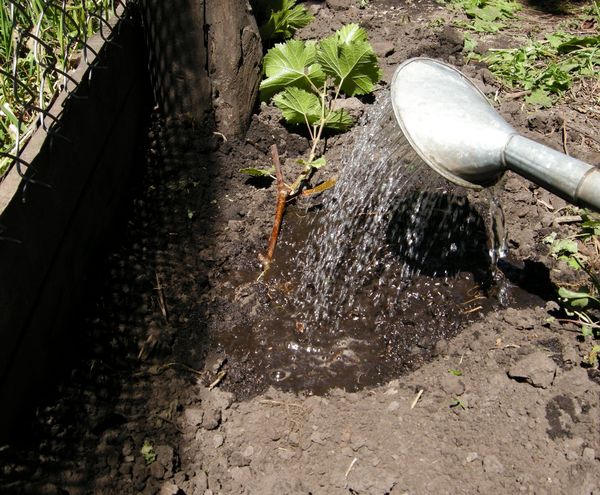
Summer grapevine care, which should be carried out during the first year, includes pinching the vines, applying two additional fertilizers, and removing side shoots and foliage. The plant is treated with Ridomil to prevent mildew. A dose of Fufanon, effective against spider mites, is added to the solution.
How to care for grapes in the fall? Proper and comprehensive care of grapes in the fall involves preparing the growing bush for winter. Grape care, beginning in September and continuing in the following months, also includes planning the harvest, inspecting trellises, and securing fallen branches. Gardeners also remove damaged fruit and dead leaves. After harvesting, the weakened plant requires an organic fertilizer supplemented with ash.
Preventative fall treatment of grapes against pests and their pruning are important. For varieties with weak winter hardiness, create a winter shelter of hilled soil, snowdrifts, and spruce branches. Fall treatment will help grapes withstand winter frosts, protect them from diseases and pests, grow healthy, and produce a bountiful harvest.
Garter of a bush
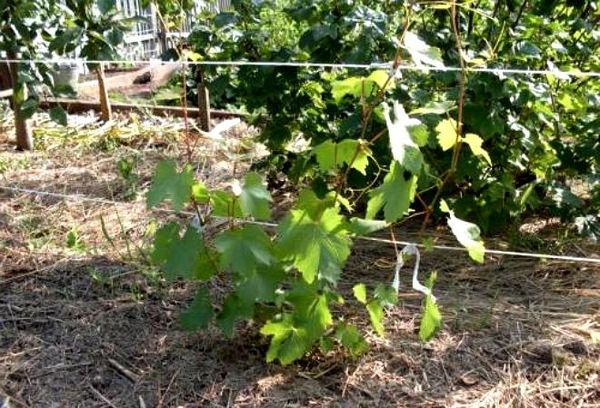
In the Rostov region and other regions of the country, spring care begins with removing winter cover, pruning, and staking the vines. When growing grapes, staking is done with soft fabric or twine. This procedure protects the tender shoots from possible damage. The branches that will bear the bulk of the fruit, as well as replacement shoots, are bent toward the bottom horizontal row. The second staking is done when the shoots are about 25 cm long. Subsequently, the staking procedure is repeated every two weeks to prevent the shoots from drooping, especially during the ripening period.
Pruning and shaping
Autumn grapevine care and winter pruning are important steps, and they deserve a closer look. Over the course of several years, the vines undergo a shaping process. The pruning and shaping method is selected depending on the variety and the regional climate. Some varieties of this plant require winter protection, while others are cold-tolerant. Systematic shaping of the vine to ensure a strong skeleton for consistent fruiting begins during the first year of care.
In temperate climates, the plant is most often covered for winter, so shaping followed by standard-less cultivation is popular. Gardeners across the country practice standard-less fan-shaped bush shaping. Its advantages include ease of subsequent green and rejuvenating pruning, winter shelter, and the possibility of a bountiful harvest.
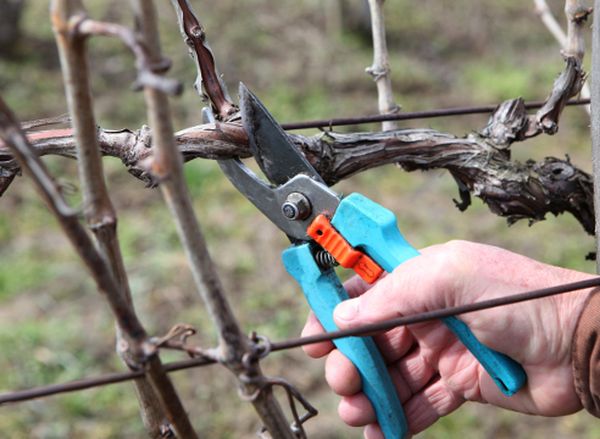
How should I continue growing the crop? Caring for grapes in the fall will require scheduled pruning, during which fruiting shoots and some perennial branches will be removed from the vine. Damaged and non-viable fruiting shoots from this season are also removed.
Preventive spraying
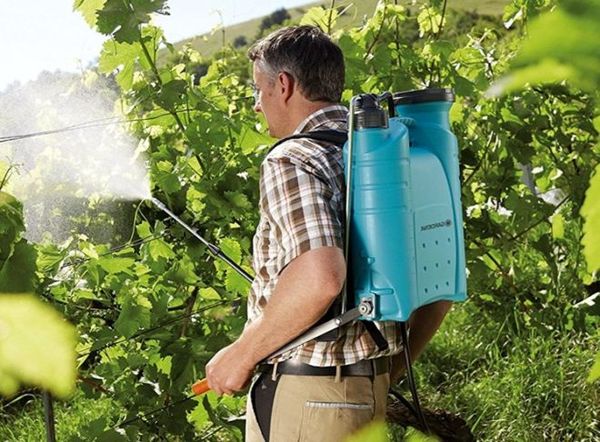
Spring care for your grapevines involves preventative spraying. For the first treatment, use a 1% solution of Ridomil, a 3% solution of ferrous sulfate and Bordeaux mixture, and a 0.5% solution of Zineb. Beginning gardeners use the inexpensive and safe Fitosporin. After treatment, apply mulch. Subsequent treatments are carried out at least two weeks before flowering and three weeks before harvest. Spraying timing varies depending on the weather and the condition of the crop.
Watering mode
Adequate watering is essential for timely fruit ripening. It also helps to grow a lush, healthy bush. If the soil is covered, the first watering should be done a couple of weeks after planting. Subsequent watering is required as the soil dries out. Exposed soil should be moistened weekly. Watering should be stopped in the second half of July. Water should be applied up to one bucket per plant. Drying out of the soil is dangerous after removing winter cover, before and after flowering, and during the berry ripening period (in July).
Fertilizer
During the growing season, grapes need to be cared for using nitrogen-containing fertilizers, potassium-rich fertilizers, and phosphorus-rich fertilizers. Spring and summer care require high-quality fertilizers. Annual crops are fertilized when shoots reach 15 cm, as well as in July or August.
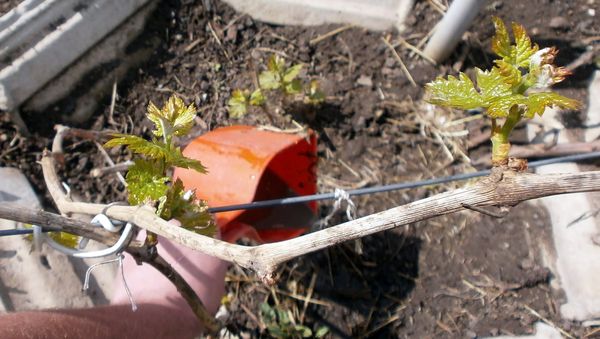
The first feeding is done with a nitrophoska solution: use up to 18 g of the solution per 10 liters of water. The second is done with a solution made of 12 g of potassium sulfate and 20 g of superphosphate, diluted in 10 liters of water.
Fruiting bushes are fed three times: in mid-May (with organic matter or ammonium nitrate), during fruit set (with nitrogen, potassium, and phosphorus), and a third feeding should be done in mid-July to mid-August. Potassium sulfate and superphosphate are used to help the berries develop color.
Preparing for winter and frost
Young bushes require winter cover. Sometimes this is made from soil available between rows. For this, the shoots are laid in a prepared trench and covered with soil. Commercial covering material, double-layer film, corrugated cardboard, roofing felt, and tarpaulin are also used. Natural materials such as spruce branches and pine needles are also suitable. If spring frosts are expected, hay, straw, spruce branches, rags, and non-woven fabric are used to protect the bushes. Fumigation is also performed using pine needles, sawdust, wood shavings, manure, and dried fallen leaves.
Video: "Mistakes of Beginner Winegrowers"
This video will tell you about the mistakes that beginning winegrowers make and how to avoid them.