
Peculiarities of grape ripening and harvesting
Content
What influences ripening?
Grape harvesting is a crucial process. It must be approached with particular care. Grapevines come to life in the spring at temperatures of 10°C. At this time, active water movement, known as grape weeping, begins. This is followed by swelling and bud break. The warmer the air, the sooner the leaves will emerge.
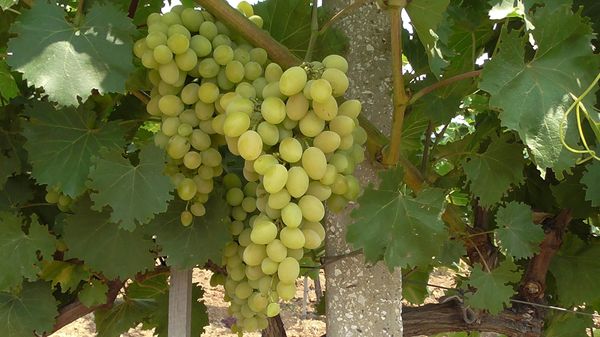
Then the grapes begin to bloom. This is a very important moment, although it doesn't last long. It's best when this occurs in dry weather with a light breeze. The wind will ensure good pollination, eliminating the need for additional work. The ripening time of the grapes depends on many factors, including:
- air temperature;
- soil temperature;
- humidity;
- warm;
- sunlight;
- soil fertilization;
- good care;
- treatment for diseases.
During the ripening period of the berries, you need to carefully monitor the soil; it should be moderately moist. Fertilizing is recommended. When clusters begin to form, the plant slows its growth. This allows the berries to fill out, the vine grows in volume, and the lower part of the vine becomes woody. Fruit ripens more slowly when air temperatures are below 20°C. Under these conditions, they will grow small, sour, or may not ripen at all.
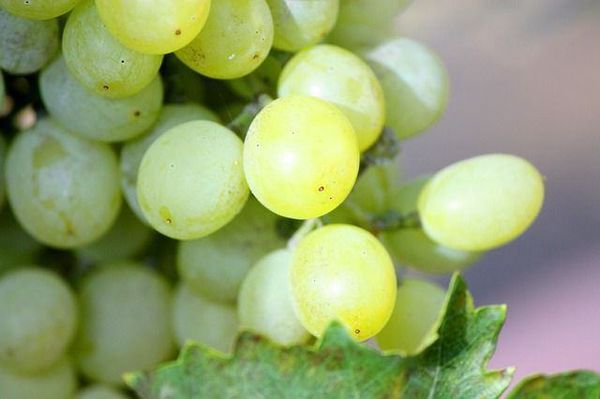
Gardeners can help grapes by adding boron and potassium permanganate supplements, partially pruning leaves, and removing side shoots. Weather conditions are also a significant factor in grape ripening. Even the method of harvesting plays a role. It's important to remember to thin the plants. Keep the number of clusters to a minimum. This will ensure a good, timely harvest.
Timing depends on the variety
Plants are divided into different groups depending on when the grapes are harvested. For early varieties, one of the signs of ripening is the halting of young shoot growth, followed by early fruit formation and ripening. For late varieties, the opposite occurs: young vines grow first, followed by ripening. To ensure a long-lasting supply of delicious grapes, gardeners plant grapes with different ripening times. Grapes can be divided into six types based on how many days it takes for the fruit to ripen.
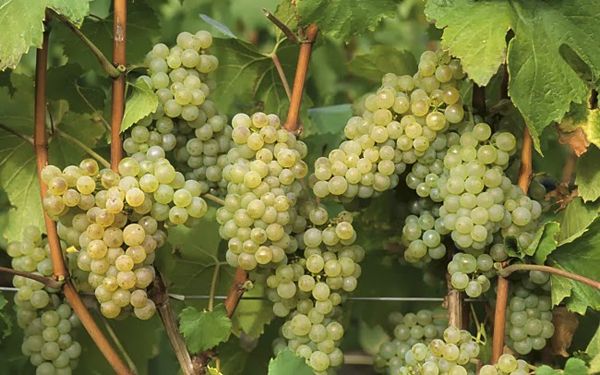
Very early
Super-early grape varieties are popular in areas with short or cool summers. These varieties ripen in approximately 100 days. Popular varieties include:
- Olympics;
- Timur;
- Elegant.
These grape varieties are distinguished by their perfectly timed ripening. Despite the group's name, it's clear they won't grow overnight. They can be harvested as early as early August.
Very early
Very early varieties are most often grown in areas with harsh weather conditions. The selection is quite large, and the harvest is bountiful. These include fruitful, frost-resistant grape varieties, such as the Crimean Pearl.
The period during which healthy treats will grow in your garden bed is 115 days.
Early
Early varieties include those that have proven themselves over the years and produce good yields in harsh climates. They are easy to care for and undemanding. The ripeness of the berries is checked by color and taste. For example, the Yantar and Donetsk Pearl varieties take about four months to mature.
Early-Middle
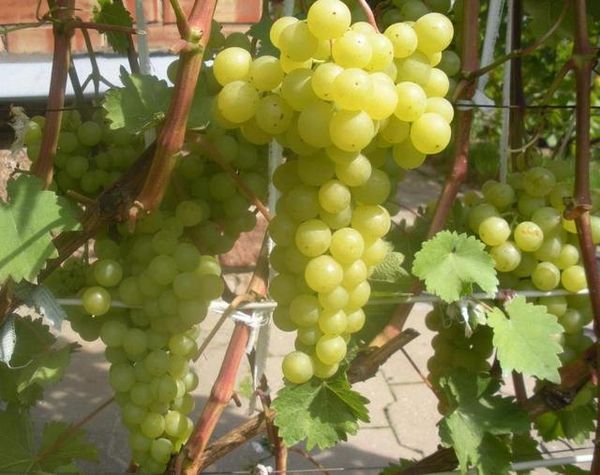
Early-mid-season grape varieties are found in the south. Their beautiful, large berries are a real treasure for winegrowers and winemakers. These varieties are used to produce table wines. They also ripen in around 135 days and tolerate cold well. Gardeners choose Russian Concord and Arcadia for growing in their gardens.
Average
Mid-sized varieties are most often grown in areas where industrial berry processing facilities are established. Their harvest period is in late August and early September. Muscat Odesskiy and Startovyi varieties are very tasty. Many of them store well and are suitable for transportation.
Late
Late-ripening grapes are those that ripen over a five-month period. They produce high yields and store well. They are grown primarily in areas where warm weather prevails over cold. However, if unexpected cold weather occurs, a small number of bunches will still need to be harvested.
Don't begrudge the lost fruit; you'll reap a bountiful harvest. This very late grape variety ripens over 165–170 days. The grapes are harvested in October or even early November. They can be stored in the refrigerator until December without losing their appearance or flavor.
Harvesting
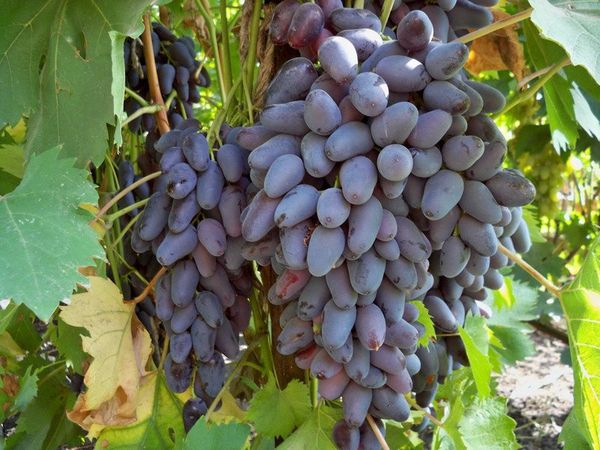
Grapes become truly delicious and nutritious when they are fully ripe. At this point, harvesting can begin. Dark-ripened grapes are dark blue when ripe, but if most of the berries are brown, it's a sign they're not ripe yet. White grapes have amber or golden berries when ripe, while unripe ones have a dirty green appearance.
It's also important to note that fully ripe grapes are darker where they connect to the stems, and the berries are soft to the touch, fragrant, and sweet. When cutting grapes, it's crucial not to rub off the bloom that covers the berries, as removing it will cause the fruit to spoil faster.
Early varieties ripen faster and do not store for long, so they should be sold immediately after harvesting.
Mid- and late-ripening varieties can be stored for a long time on the vine. Grapes should be harvested in dry weather, preferably in the morning without dew or in the evening, and never after rain. For storage, use a spacious room, placing the bunches in boxes or hanging them by their stems.
Video: "Summer Pruning of Grapes"
This video will show you how to properly prune grapes in the summer.