
The main methods of propagating maiden grapes
Content
When to propagate
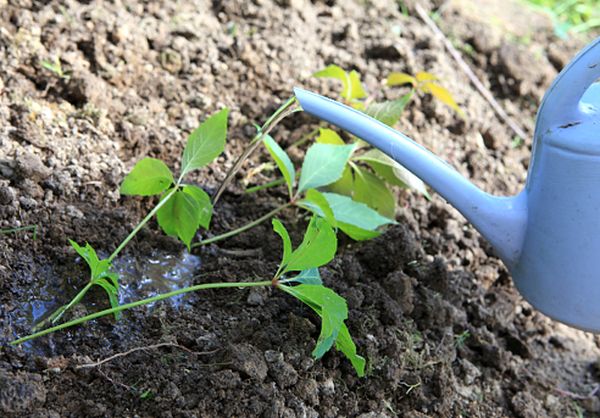
There's no specific time for when the bush is best propagated and planted. The process can be carried out in both spring and fall. Experienced gardeners recommend propagating and planting wild grapes in September–October. This allows the plant time to adapt to its new location before winter arrives, allowing it to begin actively growing and developing in the summer.
Selecting a location and soil
The best places to plant the plant are around gazebos, above garden paths, or along fences. It will be necessary to prepare reliable supports in advance. Grapes are often used as decoration on building facades. However, their powerful root system can damage foundations and inhibit the growth of other plants. Vines can damage roofing materials, and fallen leaves can clog gutters.
It's best to plant this plant on a non-western or northern side of the garden to prevent the foliage from becoming small. The shrub should be planted in a sunny location. Sandy, well-drained soils are considered favorable. Before planting, add organic matter (compost, humus, or peat) and mineral fertilizer (superphosphate). The soil should be dug to a depth of 80 cm beforehand, reversing the top and bottom layers.
Methods of reproduction
There are several ways to propagate the perennial maiden grape, which resembles a woody vine. The mother plant can be propagated by cuttings, layering, and seeds. We'll discuss each method in more detail below.
Cuttings
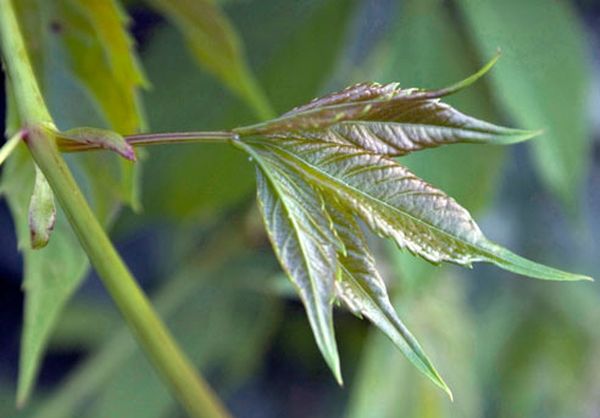
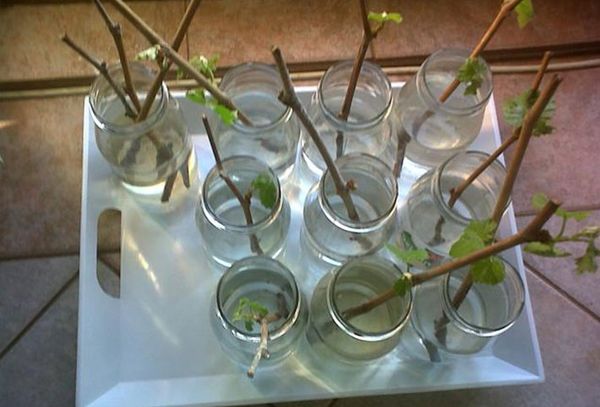
Propagation of maiden grapes by cuttings is carried out from mid-spring until autumn. The propagation itself is not difficult, even for a novice gardener. For cuttings, the planting material must be properly cut. When propagating maiden grapes by green cuttings before mid-June, select a vine from the previous year with strong wood. Use the part of the vine with tendrils and 2-4 full-fledged buds at the nodes. This will facilitate the rooting process of the seedlings. To propagate the plant by cuttings in the fall or summer, you will need to obtain hammer-shaped cuttings.
New shoots emerge from buds on last year's vine. When the bark at the base becomes rougher, the cuttings, along with a portion of the mother shoot, are cut and planted in the chosen location. The seedling is placed in a hole up to 15 cm deep with drainage made from humus and compost soil, then watered. The distance between bushes in a row should be up to 2 m. Until the cuttings are fully established, they are placed in flower pots about 20 cm in diameter and height, where they are then planted. The future bushes are transplanted to their permanent location after one year.
Layering
In addition to propagation by cuttings, new plants can also be obtained by layering. Select a viable shoot with young foliage and green buds. Then, after the spring warmth, place the planting material in a hole. A healthy shoot does not need to be cut from the parent plant. Dig a hole up to 5 cm deep in loose soil. Do not straighten the vine; place it in the hole as is.
The vine should be pinned to the surface with hairpins and then dug in. Watering is then carried out. The vine is separated from the mother plant and planted in its permanent location only in August or September. Even an inexperienced gardener can help grapevines propagate by cuttings and layering.
Seeds
Seeds are collected in the fall. The pulp and skin are removed from the collected material. To plant the crop from seeds, they are hardened off first by placing them in a moist substrate for one week. Depending on the variety, hardening can also be accomplished by storing the planting material in an attic over the winter.
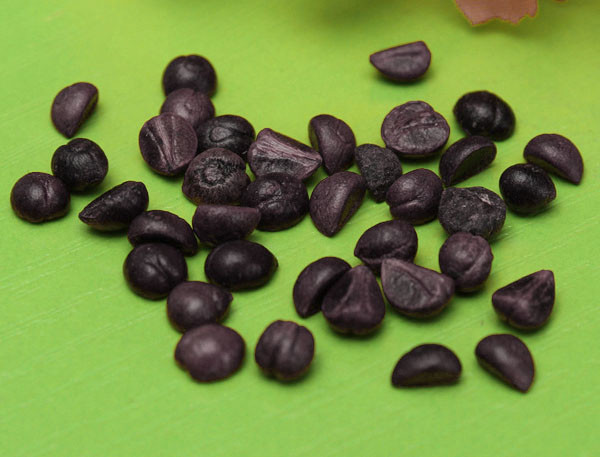
When planning spring planting, stratify the seeds by briefly placing them in the refrigerator. Before planting outdoors, place the seeds in a container of room-temperature water and leave them there until they swell. You can add a little wood ash. Sow the seeds in special containers at a depth of no more than 1 cm. When each seedling reaches 15–20 cm, it can be planted in its permanent location. Don't forget to provide reliable support for the future shrub.
Further care
The most important stages of caring for wild grapes are watering and pruning procedures.
To ensure the plant's comfortable development, weeds are removed and the soil is loosened. Mulch is applied to the trunk circle using humus, peat, or compost. At the end of winter, dry, damaged, and overly long shoots, as well as frost-damaged tips, are removed from the bush. The bush's skeleton is formed in the first few years after planting. For this, use pruning shears, shortening the main shoots by 1 m. Lateral shoots should be tied up, removing the slings only after they have fully developed.
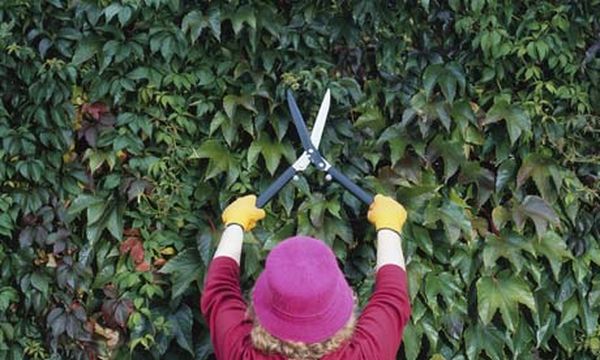
To maintain its shape, annual sanitary pruning is required. This involves removing weak and damaged shoots, as well as those that interfere with normal crown growth. If pruning is not done promptly, the fast-growing vine will become unkempt. Each bush will require one bucket of water for moderate watering (no more than 3-4 times). During hot summer weather, watering frequency increases. In June, the plant should be fed with nitrophoska, and once it begins to grow, with complex fertilizers.
Video: "Propagating Virginia creeper by layering"
This video will show you how to properly propagate maiden grapes.