
Propagation of grapes by green and woody cuttings
Content
How and when to prepare cuttings
Propagating grapes from cuttings at home is not difficult; the main thing is to do everything correctly. Cuttings are harvested in the fall, but if you don't want to cut the grapes in the fall, you can try harvesting the planting material in early spring. However, you need to time this correctly to ensure you do it before the sap begins to flow. To propagate grapes from cuttings, you need to properly cut the planting material and store it until it's time to plant.
If you plan to propagate grapes using green cuttings, you can prepare grape shoots in the summer (in June, in July it will be too late) or in the spring.
How to cut
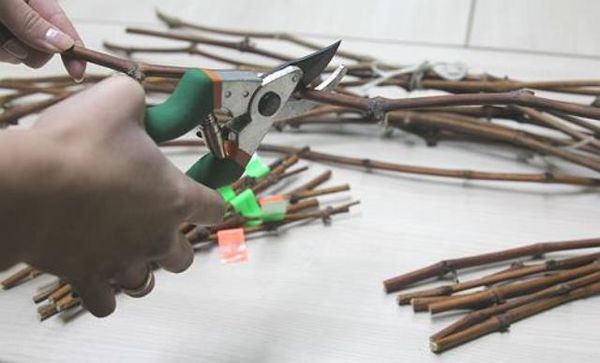
As mentioned above, it's best to prepare the material in the fall, as there's a risk of not having time to do so in the spring before the sap begins to flow. Grape cuttings should be taken after the leaves have fallen to avoid damaging the plant. To ensure successful grape cuttings, choose branches that have fruited – this will ensure the best results when propagating the plant.
It is best to choose straight shoots and vines, because they are the easiest to care for later. The last rule: your future seedlings should not be too short for grape growing to be successful.
The best option is to cut the branches before severe frosts hit. You can perform all the procedures either in mid-autumn or early winter. If you take the cuttings in winter, the plants will tolerate lower temperatures well in the future. Be sure to treat your branches with copper sulfate to prevent any accidental infection.
How to save
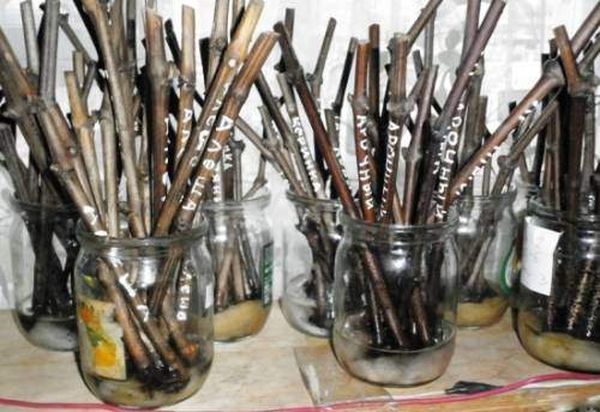
Carefully gather your future seedlings into bundles, and be sure to label each bundle with the variety name to avoid confusion when replanting your cuttings. Next, place them in a plastic bag and store them in a specially prepared storage area. All these steps should be completed no later than early winter to prevent the material from deteriorating.
Where is the best place to store grapes? Even a standard refrigerator will do just fine, as long as you don't have a large number of cuttings. However, if you plan to propagate grapes from cuttings in large quantities, it's best to use a cellar for storage. You can also bury them in the ground, but this won't allow you to regularly check on the condition of the shoots.
Green cuttings
If you want to propagate grapes using green cuttings, then you should begin propagating grapes using cuttings in the spring. After the shoots have been cut, they should be placed in a bucket, sprayed with water, and covered with a damp cloth. Then, they should be stored in the basement overnight.
Germination
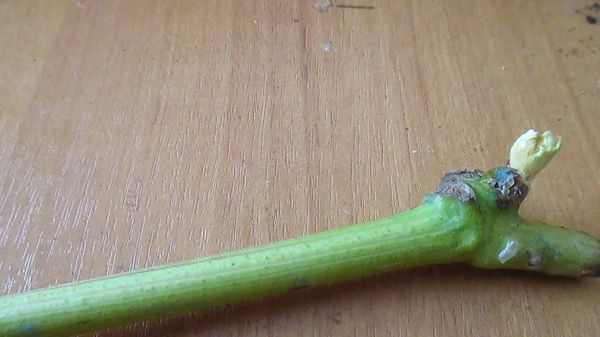
For green cuttings to be successful, the green layers must be germinated. After the shoots have soaked overnight in the basement, they should be cut into cuttings, leaving only two leaves and two buds. After this, remove half of the top leaf and the bottom leaf completely. Next, place each cutting in water with a rooting solution and soak for about 10 hours.
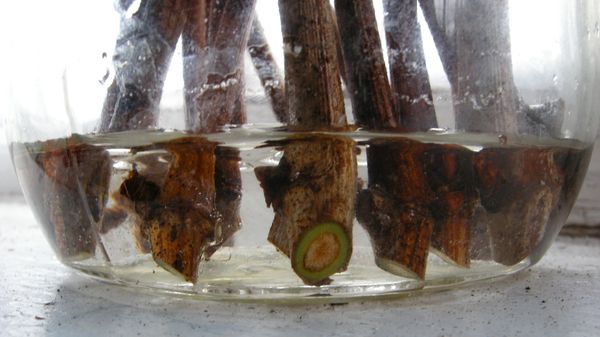
Next, place wooden slats in the jar, forming a frame over its surface, and insert up to four cuttings. Cover the resulting structure with a plastic bag and place it on a windowsill. For the first 10-12 days, you can do nothing, but after that, you can water and air your cuttings about once a week. After a few weeks, the shoots should sprout and develop small roots.
Planting and rooting
Next, you need to plant your green shoots in a deep box filled with fertile potting mix and cover it with glass, creating a greenhouse-like structure. For the cuttings to root properly, they require high humidity, so mist them with a spray bottle at least four times a day.
If you notice that more or less strong roots have begun to appear, reduce the number of sprayings.
In principle, by autumn, you can plant your seedlings in open ground. If the rooting of the green cuttings in the makeshift greenhouse was successful, the seedling will have developed a more or less developed root system before the cold weather sets in. However, it's still too early for it to survive its first winter—dig it up before the frost sets in and store it in the basement until the first days of spring. When the weather warms up, plant it in its permanent location.
Further care
Care for the young grapevine according to the instructions. Prune, water regularly, and thoroughly loosen the soil around the plant. Don't forget to fertilize, as the seedling will need nutrients to grow into a large vine.
Propagation by woody cuttings
If you don't want to cut your planting material in the spring and prefer to do everything in advance, this option is for you. After you've cut the shoots and safely protected them from winter frosts, it's time to germinate them and plant them outdoors.
Germination
When spring arrives, remove the shoots and inspect them for various defects. If any are found, remove the branches immediately; you don't need them. Defects include damaged bark and poorly preserved buds.
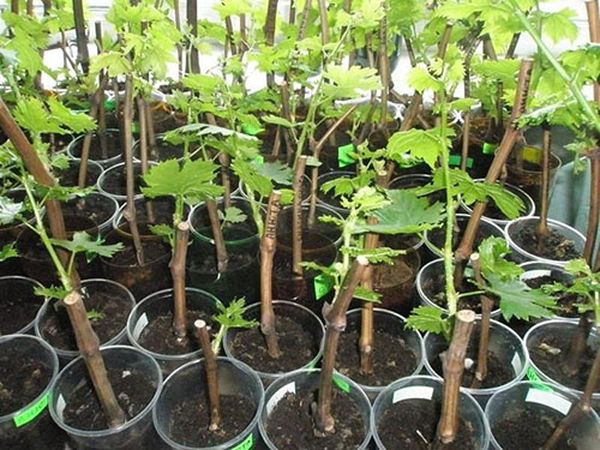
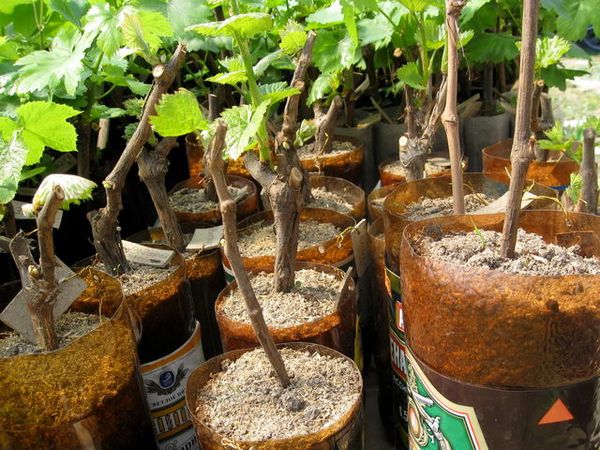
First, you should test whether your cuttings will germinate. They should be planted in plastic cups or cut-down plastic bottles. To see the results, the container itself needs to be prepared. Poke a hole in the bottom of the cups or bottles to allow water to drain, and fill the containers with potting soil, adding a little sand and humus.
Plant the cuttings shallowly—just 3 cm—and care for them by watering and misting occasionally. After a while (usually a few weeks), you'll notice the beginnings of a root system, as well as the appearance of leaves on the cuttings themselves. This is a sure sign that in just 2-3 weeks, you can transplant them to their permanent location once they've become well-established.
Planting and rooting
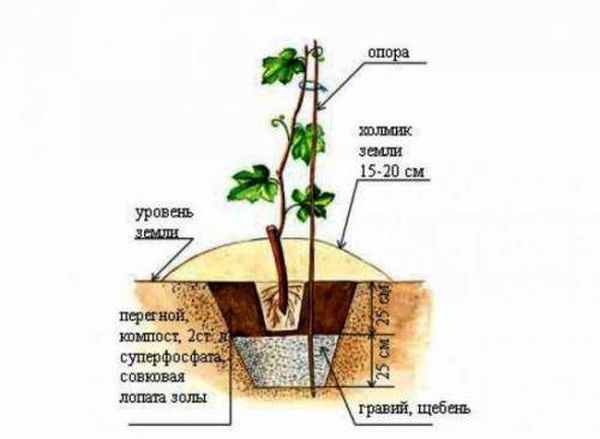
Once your seedlings are well established, begin planting. Choose a well-lit location with a deep water table and dig a hole measuring 80 x 80 cm and up to 75 cm deep. Next, add a 20 cm layer of drainage material and a nutrient-rich layer mixed with soil to the bottom of the hole. Place the seedling in the hole, carefully spread its roots, and cover with soil. The root collar should be 5 cm above the soil surface. Space two seedlings 20 cm apart.
At first, to ensure the seedling takes root properly and is not broken by strong winds, it is necessary to tie it to some kind of support (usually special vine supports). In principle, if you plant all your seedlings in a timely manner (planting should be done around the beginning of May), they will have time to establish themselves in the soil before the onset of severe frosts.
Further care
Immediately after planting, you should water the seedling generously (usually up to two buckets of water). As mentioned earlier, grapes require special care during the first year, as this determines their subsequent development. You must make every effort to ensure the plant becomes well established. To achieve this, you need to water it regularly (don't let the soil dry out, but don't let it become waterlogged), and also fertilize the vine periodically.
As you can see, propagating grapes from cuttings is not at all difficult; many professional winegrowers have grown their vineyards this way.
Video: Rooting Green Cuttings
This video will show you how to properly root green cuttings.