
Planting and caring for maiden grapes
Content
Features of the variety
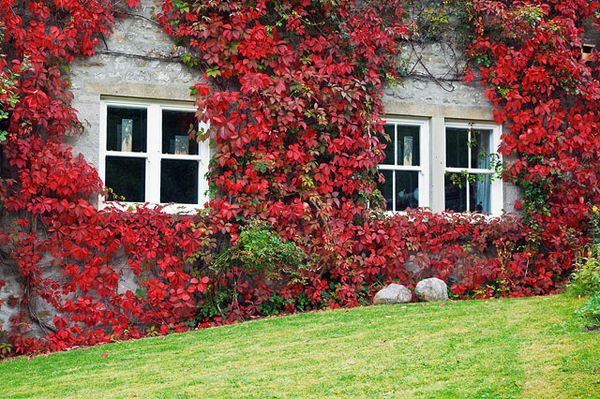
Do you dream of your dacha looking like an ancient fairytale castle? It's easy if you know how to grow maiden grapes—an ornamental vine that can dramatically transform even an ordinary house. Or perhaps you'd like to grow maiden grapes on a balcony, loggia, or even in your apartment? No problem! However, the latter option is more suitable in Siberia, as it prevents the plant from dying.
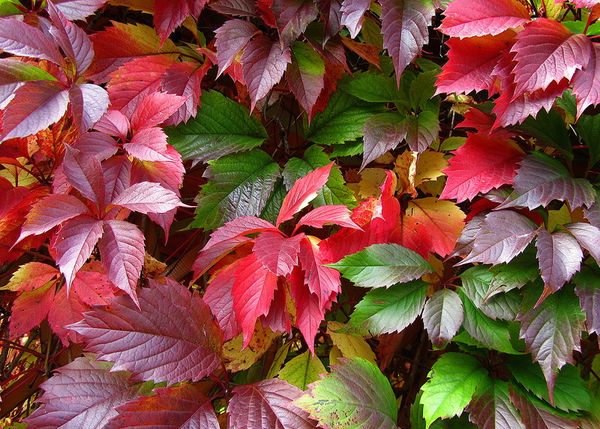
This variegated ornamental grape received its “maiden” name due to its ability to form fruit without the process of pollination. In this culture, the green vines are of ornamental value; the plant's flowers are not particularly attractive; the fruits of this "lady" cultivar are also of no value. Therefore, maiden grapes are primarily used in landscape design; their decorative foliage will adorn even the most modest house or summerhouse.
Virginia creeper is characterized by its pointed leaves, reminiscent of maple. In summer, its leaves are green, but as winter approaches, they turn a rich crimson. Before planting Virginia creeper, ensure there's a suitable vertical support or trellis nearby—the vines need something to cling to. This variety is a vigorous grower, so you'll need to prune it regularly, otherwise it will overgrow the available space.
Landing
There are various ways to grow Virginia creeper, but if you're pressed for time, try sowing. You can sow the crop at any time, but if you're not sowing in the fall, the seeds will need stratification.
Choosing time and place
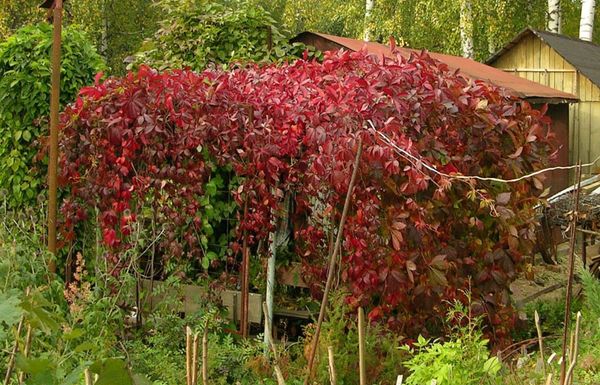
Parthenocissus triostrum is one of the few Parthenocissus varieties that thrives equally in full sun and partial shade. However, if you want the foliage to turn a vibrant crimson in the fall, it's best to plant it in a sunny location. Furthermore, seedlings planted on south-facing slopes grow faster and develop larger foliage. Plants planted in areas exposed to strong winds will not thrive, as rapid growth will be limited. Planting near water pipes or wires is not recommended. A preferred location is near a shed or gazebo, a fence, or a house. Wild grapes (also known as maiden grapes) can grow in any soil, but their root system develops best in loamy, neutral, slightly alkaline soil.
Step-by-step instructions
If you choose to propagate the crop by seed, it's best to do so in the fall. Prepared seeds should be placed in pre-loosened and fertilized soil (no more than 1 cm deep) and watered. Cuttings are a less labor-intensive method.
In this case, you need to know how to take cuttings correctly: each cutting should contain at least four buds, and maiden grape cuttings should be planted deep enough to leave at least two buds above ground. The cuttings need to be watered thoroughly, and the planting site should be kept slightly moist. This will ensure strong seedlings.
Caring for maiden grapes
So, your maiden grapes have been successfully planted, and you're already looking forward to the variegated landscape characteristic of this variegated variety. Now it's time to figure out how to properly care for the variety. Can you simply forget about the planted cutting for a while, hoping that a lush vine will soon sprout? It turns out, that's almost certainly the case.
Secrets of growing
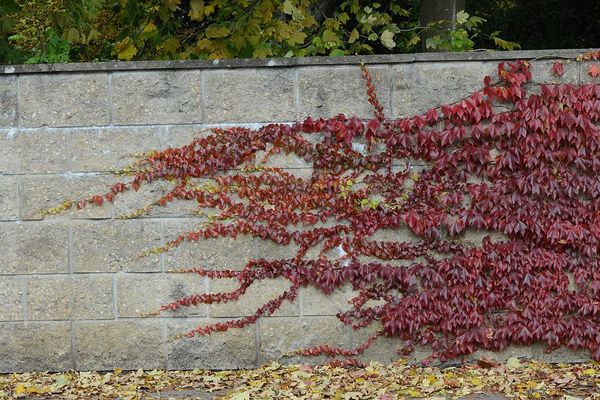
Once maiden grapes are planted correctly and on time, further care consists of regular watering, periodic fertilizing, and careful inspection to prevent diseases and pests. Another essential care step is weed control and seasonal pruning. Furthermore, maiden grapes need additional support when young, as they don't yet have tenacious tendrils.
Maiden grapes, like most ornamental trees and shrubs, need to be fed: at the beginning of summer and during the period of active growth.
Transplanting grapes
Sometimes, a grapevine's development doesn't go as expected, and it becomes necessary to transplant or replant it. It's best to replant virgin grapes (grown grapes) as early as possible, although they're so easy-to-care-for that even five-year-old specimens can be moved with some skill. Replanting grapes yourself begins with preparing a planting hole: it should be the same size as the intended root ball and the root ball around it, but slightly deeper than the previous hole. A drainage layer is placed at the bottom, followed by sand, and finally a nutrient-rich mixture of soil and fertilizer. After 14 days, when the soil in the hole has settled slightly, the plant should be trimmed to a size suitable for replanting. Simply lower the vine into the new hole and fill it with soil, remembering to water it.
Pruning a plant
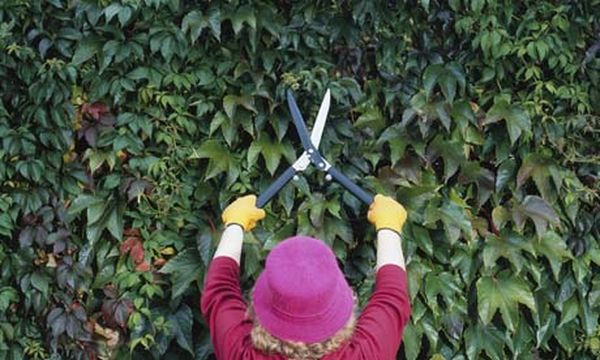
For the first few years after planting, maiden grapes aren't particularly attractive in landscape design. But then, as the plant begins to actively develop, it's crucial to prune it regularly to establish a proper skeleton and guide the shoots in the desired direction. This can be done with regular garden pruning shears before the shoots begin to harden, carefully securing them in the desired position and removing any excess shoots. Once the plant's skeleton is fully formed, all you need to do is perform sanitary pruning in the spring or fall to prevent the plant from growing into a huge, shapeless bush.
Pest and disease control
According to Wikipedia, Virginia creeper is relatively disease-resistant and rarely attacked by pests, so how to eliminate such problems rarely comes up. However, improper care can break even the strongest plants. For example, if the soil is too wet, the plant can be susceptible to fungal infection, as indicated by the condition of the foliage. In this case, remove all affected leaves and reduce watering as much as possible. If pests suddenly appear on your wild grape vine, don't worry; you can safely combat them with an insecticide.
Preparing for winter
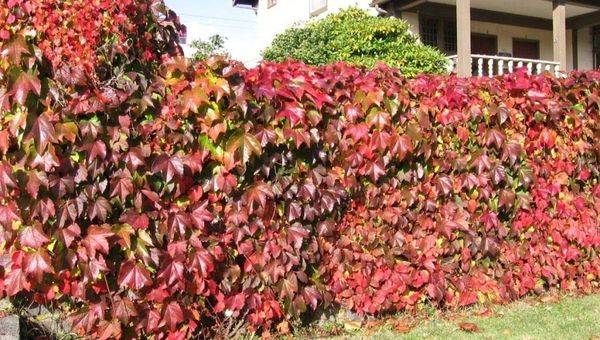
You won't need any special treatment in the fall before winter. "Maiden Tears," as the grapevine is also known, winters well without any additional cover. If you're concerned about the plant suffering, you can mulch the root ball, remove the vines from their supports, and cover them with spruce branches. These are all the challenges maiden grapevines can pose for a gardener. As you can see, caring for this plant isn't particularly complicated. Be sure to plant this truly feminine plant, and you won't have to worry about tears of disappointment.
Video "Maiden Grapes"
In this video you will hear a description of maiden grapes.