
Planting and caring for the best grape varieties in the Leningrad Region
Content
The best varieties for open ground
Amur
Not every grape variety can be grown outdoors in the Leningrad Region. First of all, the varieties must be frost-resistant and have a very early or early ripening period. Therefore, the grapes should ripen by mid-August. Even a cool summer won't hinder early and very early varieties. Compared to greenhouse and open-field ripening, the fruits will ripen about twenty days earlier in the greenhouse.
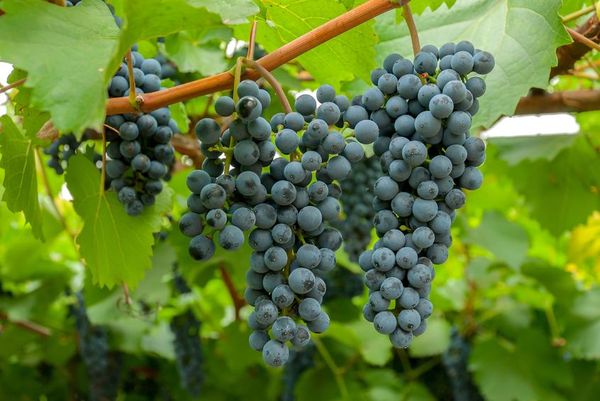
The main characteristic of the Amur grape is its resistance to frost and fungal diseases. This variety resembles a wild vine bearing heavy bunches of grapes. It tolerates transplanting and easily adapts to a variety of conditions. Amur grapes are often compared to wild grapes. In autumn, their fiery red foliage decorates the landscape, and when ripe, you can enjoy the superb sweet taste of the berries.
Muscat
This variety is classified as a table technical grape; it can be eaten and used to make excellent wines. The clusters are approximately 10 cm long and 8 cm wide, yellow-gold in color, and have round fruits with thin skin and juicy pulp with a wonderful muscat aroma.
The seedlings possess unique properties: they are resistant to diseases and harsh winters, and have good adaptability. The variety produces a high, consistent yield, and the fruit remains on the shoots for a long time, ensuring a good presentation during transportation. The shoots develop well, with a maturity rate of up to 90%.
Zilga
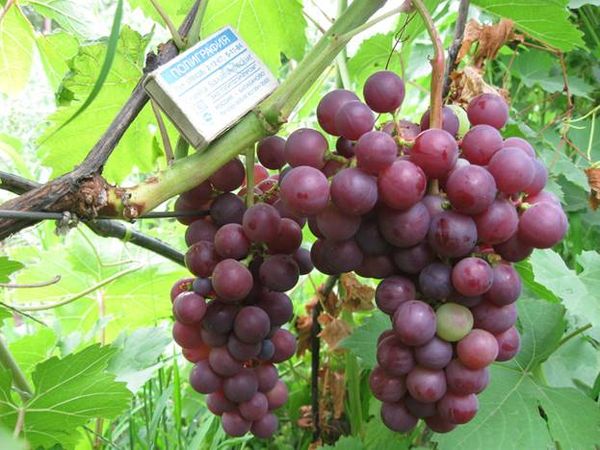
This is a versatile, early-ripening variety. The large, oval, blue fruits are ready to eat as early as late July or early August. The clusters are cylindrical and dense. A distinctive feature of Zilga grapes is their ability to retain their excellent flavor and marketable appearance even when the clusters remain on the vine for a long time.
This variety is frost-hardy and can be grown without cover, and is resistant to gray mold and powdery mildew. It is planted in spring or fall. The seedlings are undemanding regarding soil composition. The grapes are vigorous growers and therefore require support.
Aglaya
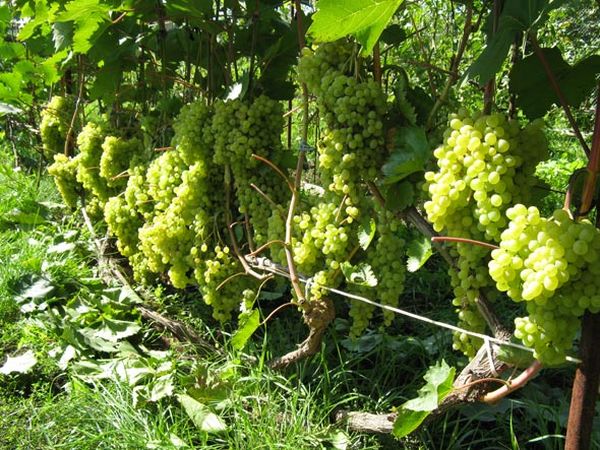
The grapes produce dense clusters weighing up to 400 g. The berries are medium-sized, green, and have a refined flavor. The variety is resistant to low temperatures and requires little care.
The best varieties for greenhouses
Laura
This table grape has a slightly sweet flavor with a hint of Muscat. The official name of the grape is "Flora," and it's distinguished by its excellent shelf life, both on the vine and after harvest, thanks to the berries' very strong attachment to the stem. Visually, the grapes are magnificent: huge bunches weighing up to a kilogram, ripe, light-colored berries with an oval shape. The fruit has dense, juicy, and sweet flesh.
The grapes grow in 120 days. This high-yielding variety yields up to 40 kg per bush. It's easy to grow, and despite preferring warm climates, it tolerates cold well. The main problem it can't overcome on its own is powdery mildew, so treatment with specialized chemicals is a necessary measure.
Kishmish
Kishmish grapes are seedless. They're excellent for making raisins. One of the best varieties is "Radiant," considered a masterpiece among sultanas, surpassing all seedless varieties in beauty and flavor. They thrive in greenhouse conditions, just be sure to spray them regularly.
Arcadia
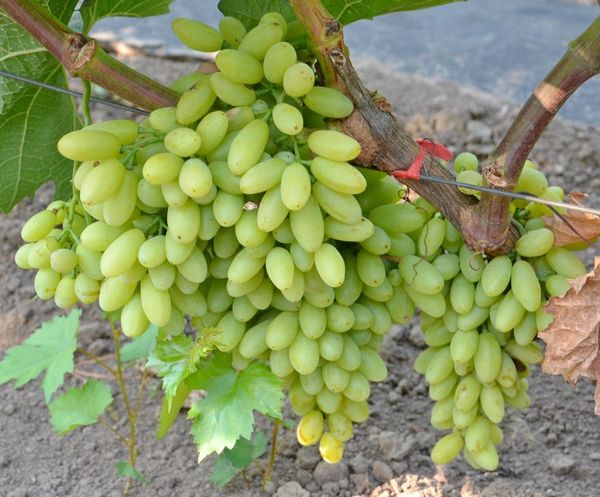
Arcadia is a variety that is resistant to low temperatures and boasts excellent fruit quality and disease resistance. It is an early-ripening variety. The amber or white berries have a rather simple flavor with a light muscat aroma. Under cover, the grapes can withstand temperatures down to -26°C. This variety produces a high yield.
Landing rules
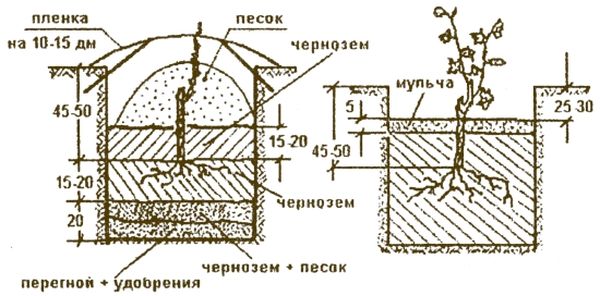
We already know the best varieties. Now we'll figure out how to grow grapes properly to ensure a consistent and abundant harvest. One vine requires an area two meters long and half a meter wide. Grapes should be planted at an elevated location in a sunny spot. For example, choose a site near a wall so that the wall, having warmed up during the day, can transfer its heat to the vine at night.
If groundwater is close to the surface, it's best to "raise" the area. Just don't dig down to the clay layer, as this could kill the seedlings. The area where you plan to plant grapes should be fertilized with organic and mineral fertilizers beforehand. Another important point: grapes don't like acidic soil.
Considering the soil characteristics in the Leningrad region, a little lime should be added to the planting hole.
Features of cultivation and care
Pruning and propagation
If you've decided to grow grapes in the Leningrad Region, planting and caring for them requires specific skills. The planted vines will bear their first fruit only after four years. The winegrower will have to ensure the vines are properly trained.
In northern regions, even unprotected varieties will need to be covered with a special material in early May, as they require 3-4 months to mature, while in the Leningrad Region, frost-free season lasts only 2.5 months. Pruning is carried out annually: six buds are left on the branch in the fall, and three in the spring. Vine formation takes four years.
Grapes are propagated by cuttings. Cuttings should be taken in the fall before the first frost. The cuttings are cut and stored in sand until spring, then placed in a vineyard for rooting. The first roots will appear within a couple of weeks. The cuttings are then planted in the garden bed to grow.
Watering and fertilizing
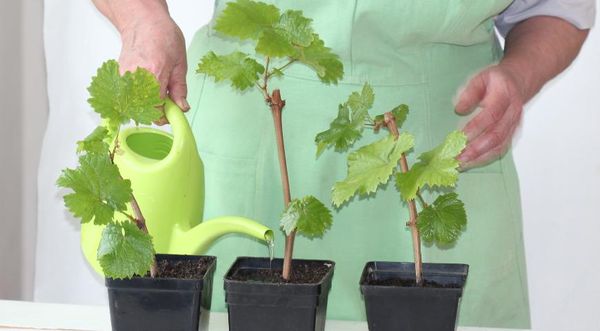
Properly planting and training the vines isn't enough. The plant also needs to be fertilized and watered. Fertilizing is not required only during the first two years of growth. Starting in the third year, fertilizer and compost are added to the bush, followed by lime or ash in the spring. Once the first fruits appear, the grapes will require a potassium fertilizer towards the end of summer. Frequent watering is not recommended, especially in high humidity conditions. Four to five waterings are sufficient throughout the entire period of development and maturation.
Pest and disease control
Grapevine care also includes disease prevention. Diseases and various parasites can quickly destroy an entire crop if left unchecked. The main grapevine diseases include:
- mildew;
- gray mold;
- oidium.
To reduce the risk of contracting a disease, it's important to ensure adequate ventilation and treat the vines with special preparations as a preventative measure. However, not only the vines but also the soil need to be treated.
To combat pests such as spider mites, grape leaf rollers, phylloxera and grape itch mites, spray grapes with fungicides in the fall and early spring.
Viticulture in the Leningrad Region is no more difficult than in the southern regions. If you take into account the climate and soil conditions, provide proper care for the vines, and control pests and diseases, you will reap a rich and delicious grape harvest.
Video: Planting and Caring for Grapes
This video will teach you how to plant and care for grapes.