
How to prune grapes and get a rich harvest
Content
The purpose of the procedure
Pruning any fruit crop has one goal: to increase yield. Proper pruning of grapes not only helps improve yields but also significantly simplifies maintenance. It's best to prune grapes annually, starting from planting (the first year will allow you to shape future scaffold shoots).
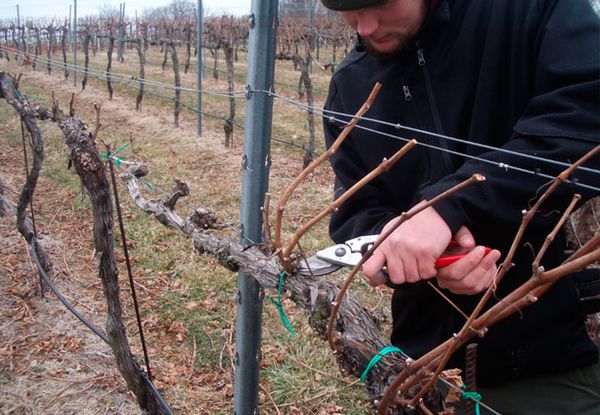
Pruning, shortening, and sometimes even completely removing individual vines helps stimulate the growth of new productive branches. As a result, not only does the formation of new ovaries increase, but the old vine is also rejuvenated. Furthermore, the procedure allows for thinning the vine, giving it a neater and more aesthetically pleasing appearance, making subsequent care easier. In other words, winegrowers prune the vines to create an ideal balance between the root and above-ground parts of the plant, which positively impacts the flavor and marketability of the bunches.
Rules and technique of implementation
Before pruning grapes, be sure to familiarize yourself with the basic techniques. Their use depends on several factors, including the grape variety, the degree of neglect of the vines, and the planting location. So, here they are:
- A short method for pruning grapevines. In this case, all the vines are shortened to most of their length, leaving only a few buds on each shoot. This method is used to rejuvenate and shape the plant;
- Medium pruning of young grapevines. Each vine should be trimmed back to leave no more than eight buds. This method helps the plant maintain frost resistance;
- Long pruning of an old bush is expected to increase yield. In this case, about 15 buds are left on each branch;
- Mixed technique. This grape pruning method is most commonly used by gardeners. In this case, some shoots are removed "at the spur" to rejuvenate the bush after planting, and some branches are topped to increase yield.
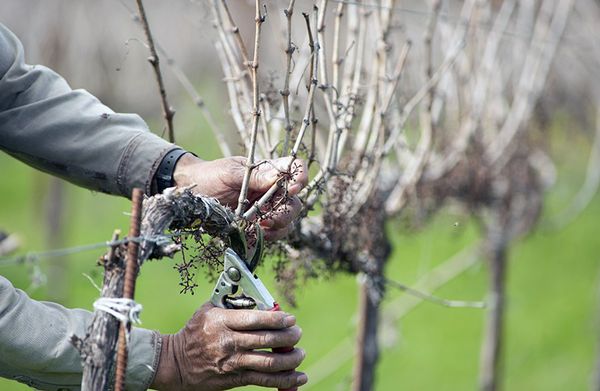
Another common question asked by beginning gardeners is whether it's possible to trim off the so-called tendrils. On the one hand, removing these unnecessary "freeloaders" that drain the plant's life force should benefit the plant. On the other hand, it's important to remember that our plant is a type of vine, so these green tendrils help it cling better to supports. A solution is to remove only those tendrils that the plant definitely doesn't need.
Before pruning grapes, carefully prepare your tools: use only sharp pruning shears. When thinning the vines, try to make diagonal cuts to make it easier for the plant to heal.
To understand how to prune grapes correctly (and, more importantly, how to do it at the right time), it's important to determine the purpose of the procedure. Let's look at when to prune garden grapes and what the results will be.
Spring pruning
Spring pruning is primarily recommended in regions with harsh climates that are not ideal for planting crops, and it requires seasonal maintenance. In this case, it's necessary to carefully inspect the bush and remove any shoots damaged by winter frosts.
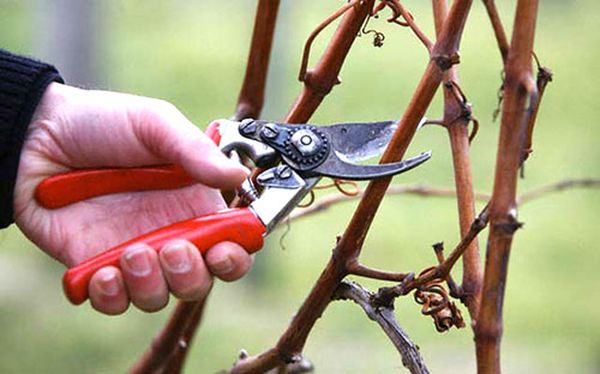
Another option is so-called formative pruning of garden grapes, which involves shaping a bush planted in the fall. Traditionally, this procedure should be started before the vine begins to actively flow sap: grapes pruned later than the prescribed time will inevitably become diseased.
Pruning grapes in the spring is a great way for beginners to get familiar with the process: frostbite during winter cold is quite common for those who grow grapes, as they are known for their heat-loving nature.
Features of summer pruning
The only possible summer procedure for grapevines is green pruning. This involves routine maintenance of the vine, pinching out any side shoots, and removing any shoots that won't benefit the plant. Such procedures are typically carried out solely for sanitary purposes, to allow more sunlight to reach the fruit and improve ventilation.
Autumn pruning and preparation for winter
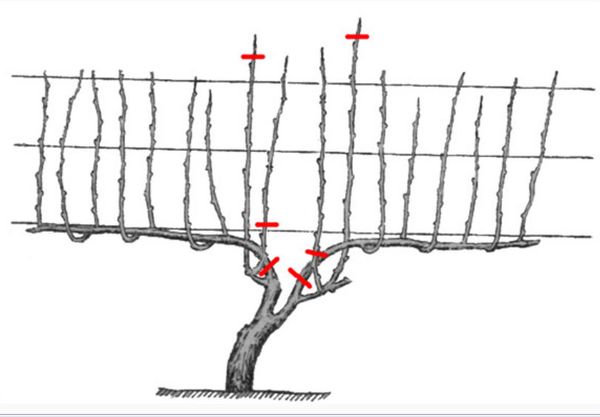
Pruning grapes in the fall is common in areas where growing grapes requires winter shelter. Removing some shoots allows you to more thoroughly cover the vine, thus ensuring proper care. Each grower determines the timing of these procedures individually, but it's important to follow two basic rules:
- First of all, less cold-resistant varieties of crops are processed;
- It is important to finish pruning the vines and form a shelter before the first frosts arrive.
As you can see, pruning grapes for beginners is not as difficult as it might seem at first glance.
Video: "How to Get a Good Grape Harvest"
This video will tell you what to do to increase grape yields.