
When and how to transplant grapes to a new location
Content
Features of transplantation of different types
Transplanting grapes to a new location depends on several fundamental factors: the grape variety, the time of year, and the plant's age. Each grape variety has its own specific growing, care, and transplanting requirements. For the wild grape variety, these conditions don't matter much: it's quite resilient and undemanding. The cultivated and domesticated variety of the wild grape—the maidenhair tree—also requires little care, as it has inherited the resilience of its parent.
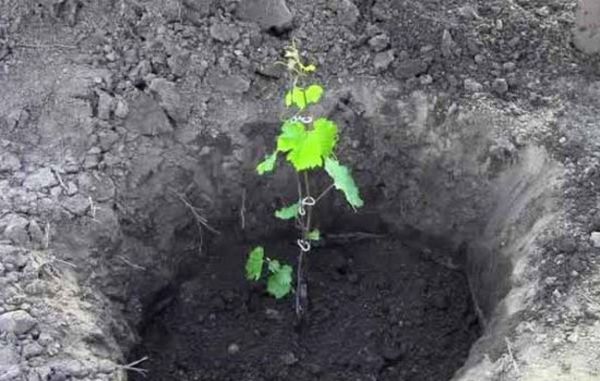
The vines of these varieties are strong and fast-growing, and can completely cover a small building in just a few years. So, pruning is the only concern. These grapes are grown purely for ornamental purposes. Wild grapes do not bear fruit, and the berries of the maidenhair tree are unappealing in taste and are not edible at all. The best use for these plants is to decorate the facade of a building, fence, or arch.
When and how to transplant such grapes does not matter, the main thing is to choose a suitable (preferably well-lit) place and wait for favorable weather conditions. Table grapes require the opposite approach, as their cultivation is aimed at producing a bountiful harvest of delicious berries. Therefore, all aspects of table grape care require greater attention and care.
At what age should you replant?
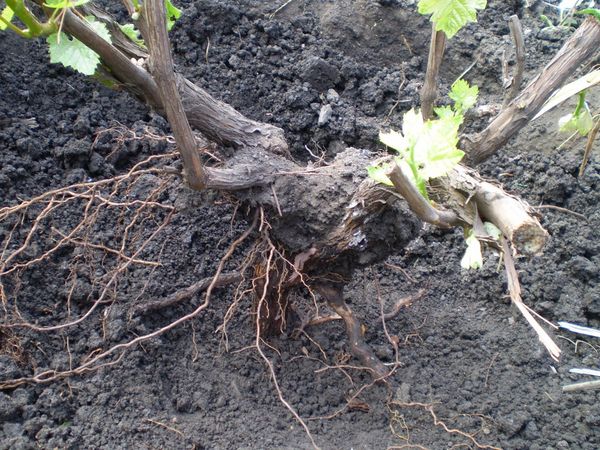
The plant itself will tell you when it's best to replant your grapevine. Old and young vines handle the process differently, and each has its own unique transplanting nuances. Older vines have extensive root systems, so digging them up without damaging them can be difficult. While you can certainly try, it's important to remember that damaged roots won't regenerate as quickly, and the plant will take longer to establish itself in its new location. Furthermore, an imbalance between the roots and the above-ground portion of the vine can affect fruiting.
The optimal age to replant grapevines without risking harm is considered to be 7–8 years. However, replanting should be avoided unless absolutely necessary. The plant's response is unpredictable, and even the slightest interference with its growth and development can trigger a severe reaction. It also increases susceptibility to phylloxera. If repotting is absolutely necessary, it's important to ensure the correct location, time, method, and tools are used.
Most winegrowers prefer to transplant grapes in the fall, when the vines have shed their leaves and become dormant, but root growth hasn't stopped. How do you transplant grapes to a different location in the spring? This can only be done before the sap begins to flow, when the soil has thawed, frosts have passed, and warm temperatures have set in. Transplanting grapes in the summer is highly undesirable, but possible.
The main thing is to choose the right way to transplant grapes in the summer: it is better to transplant the plant with a large lump of soil.
Transplanting grapes in the fall has certain advantages:
- a wide selection of crop varieties available for planting;
- well-moistened, not yet cold soil;
- in the southern regions, where the soil does not freeze to the depth of the roots, the root system will grow;
- The vine of a plant transplanted in the spring may not develop sufficiently and suffer from heat damage. This is not a possibility for a shrub transplanted in the fall.
What rules should be followed?
You can avoid damage to the plant and protect it as much as possible from disease by following these rules:
- Dig up grapevines with a small ball of soil, just enough to support the roots—this will prevent damage. If mature grapevines were dug up without a ball of soil, there's no need to prune them for the first few years—only remove the blossoms.
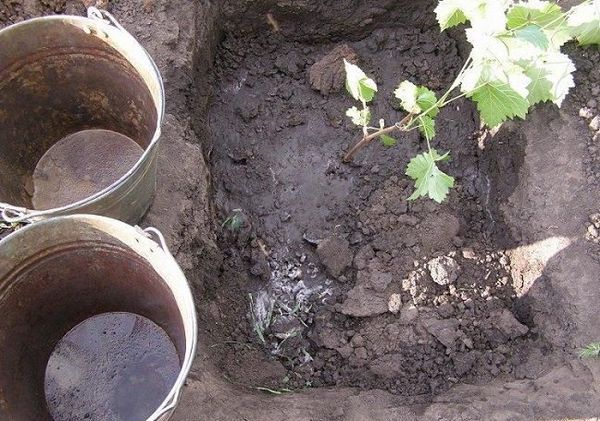
- Prepare the transplant hole in advance: loosen the soil, moisten it, and apply fertilizer. This should be done at least a month before planting to allow the soil to settle completely.
- The transplanted vine should be carefully inspected to determine how many and which shoots need to be pruned. If the root system is damaged or the vine is very old, it's best to prune the above-ground portion completely.
- Do not transplant the plant to the same place where the same crop was previously grown (this poses a risk of soil depletion and the possibility of disease).
Basic methods
The main methods for transplanting grapevines are cuttings, layering, and planting. When digging up the old plant is avoidable, layering should be used. If the plant is old or needs to be moved a short distance, select a strong vine and bury it. Once it has established roots and strength, the old vine can be removed.
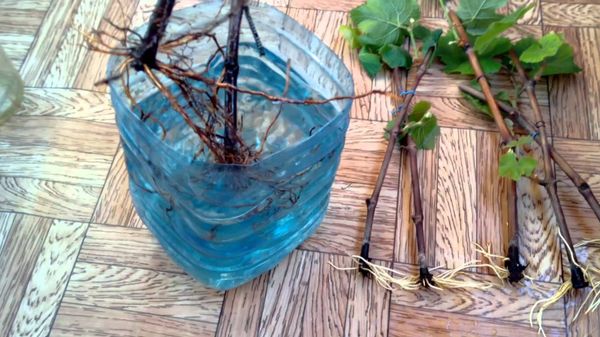
During autumn pruning, you can prepare cuttings (one-year-old shoots), sprinkle them with sand and store them until February.
Next, leave a few buds on the shoots and place them in a solution of water and growth stimulant. The cuttings are ready for planting when a light green liquid emerges from the cut. Before planting, the seedlings are soaked for a while in a special substrate containing turf, humus, sand, and sawdust.
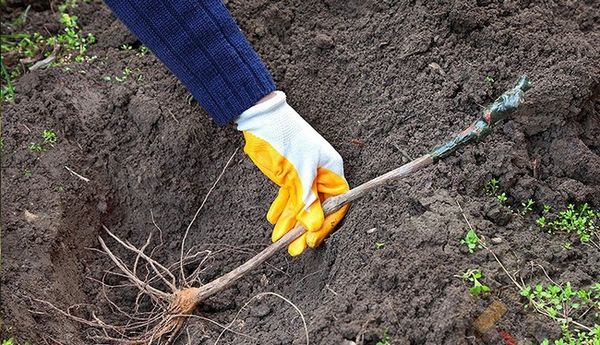
To ensure successful replanting of mature grapevines, you need to prepare the necessary tools, the vine itself, and the hole. You'll need a shovel, pruning shears, clay, and organic and mineral fertilizers. Carefully dig up the vine, being careful not to damage the roots. Cut the vines back to 20 cm, and treat the cuts with garden pitch or wax. Then, soak the roots in a clay-manure solution for a while, before carefully placing them back into the hole.
As mentioned earlier, the hole should be prepared a month in advance. To speed up the plant's growth, you can add barley seeds and a small amount of iron-containing fertilizer. Add soil under the plant several times and water.
There are several ways to transplant grapes: with a root ball, with bare roots, and without soil. Each method has its own procedure and nuances. Therefore, before replanting the grapes to a new location, carefully familiarize yourself with each method and choose the best one.
Further care
The main thing is to move the plant before or after the first frost. No additional feeding is necessary; the fertilizer applied before planting will be sufficient for the first year. The most important thing is to water the plant regularly—infrequently, but sufficiently. In July and August, the frequency of watering can be increased (if it's hot and rainfall is low). Covering the grapes for the winter is necessary, but not necessary if the variety is winter-hardy and frosts are mild.
Follow the tips above and you will succeed!
Video: "Transplanting a Grape Bush"
This video will show you how to transplant a grape bush.