
How to cover grapes for the winter and protect them from frost
Content
Preliminary trimming
Preparing grapes for winter is essential in most cases. This is because, even with the onset of cold weather, buds appear on the branches of the bush, which will open the following season. However, this is the plant's most vulnerable area, so you need to take care to protect it.
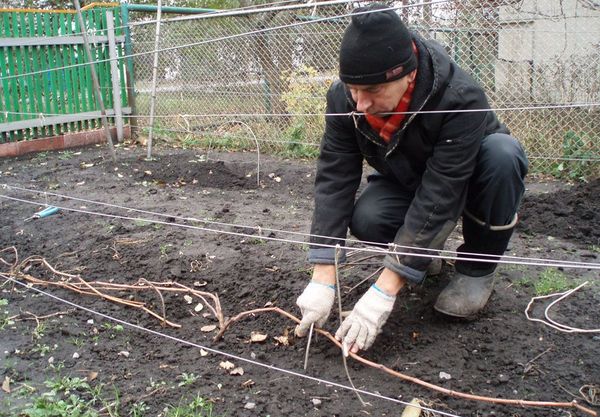
In order to be able to cover all the shoots properly, it is recommended to remove excess shoots. This should begin soon after harvesting. At this time, you can still clearly remember which branches produced the largest bunches of grapes and which did not bear fruit. Your key task is to remove the following:
- branches on which berries were intensively ripening;
- underdeveloped parts of the bush;
- shoots on which there were no grapes at all.
Water sprouts—those branches that originate from the buds of the old vine—remove them without fail. However, before figuring out how to cover grapevines for the winter, complete the pruning process. The second stage of this procedure is best carried out in the fall, when the first frosts occur. It's especially important to pay attention to those branches that won't bear fruit at all next season. These include shoots that grow too low (under the trellis wire). The remaining branches are recommended to be treated as follows: leave 2-3 strong shoots on each branch and prune off the rest.

If you're interested, look for special diagrams that clearly show which shoots are best to remove at which times. This will prepare your grape vines for covering. However, remember that pruning is only the initial stage. To ensure your vines survive the winter successfully and are ready for the next fruiting season, it's recommended to follow additional recommendations.
Preparing the bush for covering
Before deciding how to properly cover your indoor grapes for the winter, it's a good idea to disinfect the materials you're using. This should be done immediately after the cover's use. For example, with the arrival of spring, when the grape vines no longer require protection, it's recommended to thoroughly dry the mats, burlap, or spunbond. After this, the covering material should be cleaned and treated with special antifungal agents. Now your key task is to store all these materials in a clean, dry place until the cold weather sets in.
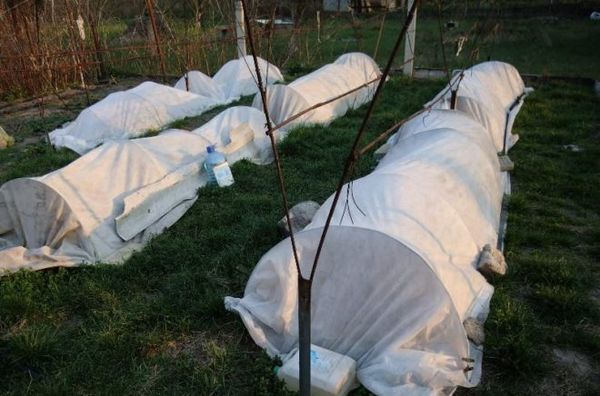
When covering grape vines, various wooden decks, roofing felt, and mats are often used. Treating these is also recommended. Use a copper sulfate solution. Another option is to purchase special solutions from the store. Once you've applied the necessary products to these materials, store them under a canopy or in a utility room. It's not uncommon for the covering material to not fully retain its properties even after treatment.
This means it's essential to review all the items you use to protect your grape vines. If wooden structures have begun to rot, it's best to discard them. If you plan to use natural materials (straw, pine branches, or fallen leaves) to cover your vines, they must be thoroughly dried and treated for fungal diseases and pests.
Basic methods and types of shelter
Knowing how to cover grapes for the winter, you can be sure that your bushes will bear fruit just as generously next season.
However, first, choose the best way to cover the plant:
- Hilling. If your grape vines are still fairly young, this method is best. It's very simple to implement—just create a mound of earth around the seedlings, about 20–30 cm high;
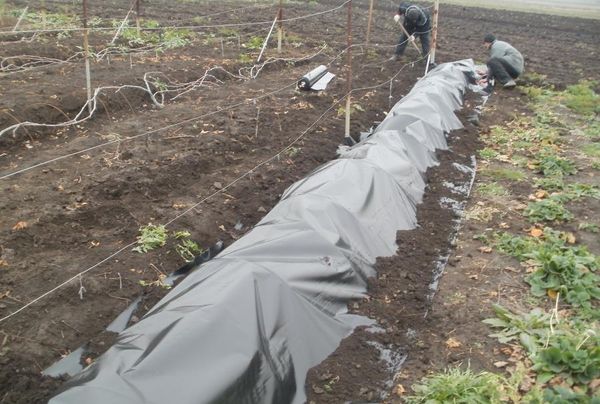
- Semi-open method. In this case, grape growers prefer to cover the lower part of the bushes by creating an earthen mound. It is recommended to drape the shoots remaining above ground. Use film, thick fabric, or straw as a covering;
- Complete covering. Ideally, this is the correct method for covering grapes. All branches are removed from the trellis and then defoliated. Unnecessary shoots are removed, and the remaining branches are gathered into a bunch and carefully bent to the ground. Either regular plastic or thick clothing will work as a covering.
Cover your grapes for the winter wisely, and with the arrival of the next season, your bushes will delight you with their fruiting.
How to protect vines
Once you've figured out how to cover your grapes for the winter, start gathering the necessary materials. Many winegrowers prefer to bend the branches down to the ground and then either lay them in a previously dug trench or simply cover them with soil. There are several other options for covering the vines. For example, use burlap to cover the branches and then add a little soil on top. Grape vines are also covered with thick wooden boards.
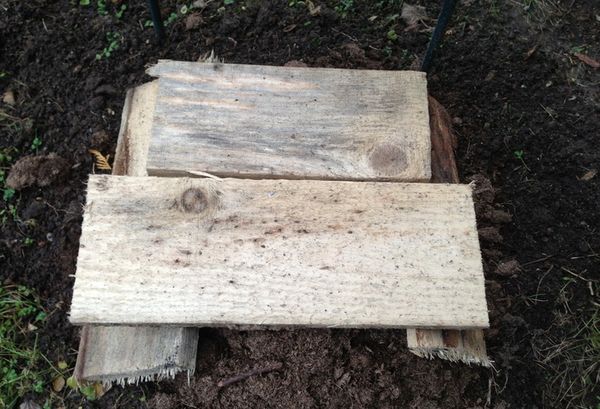
Lay roofing felt or regular plastic film on top. This will protect the vines from meltwater once the cold weather ends. Whatever covering materials you decide to use, they should be treated for pests and fungal diseases and prepared in advance.
Video: "How to Cover Grapes for the Winter?"
This video will show you how to properly cover grapes for the winter.