
What to do and what disease causes grapes to turn black and dry out?
Content
Main reasons
If dark spots appear on your grapes, the underlying cause isn't always the same. For example, if your vineyard has been affected by infectious diseases, the causative agents could be fungi, viruses, or pests. Much also depends on your specific care practices.
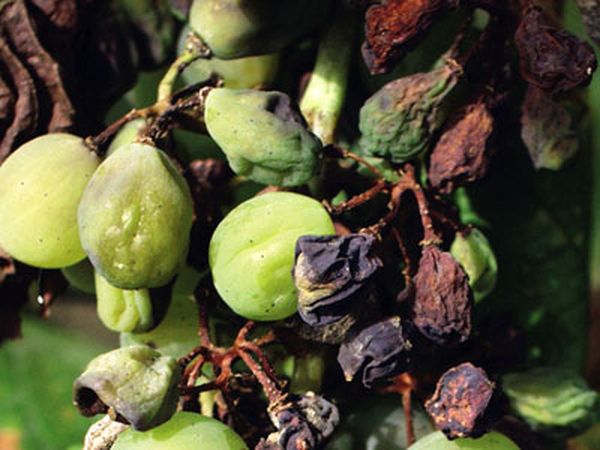
Frequent mistakes can become, if not the main cause of the disease, then at least contribute to it. One must not forget about possible mechanical damage to the branches and foliage of the plant, as well as the climatic conditions in your particular region. All of this can lead to the development of various ailments. If spots or specks appear on your berries, it's time to figure out what exactly you're dealing with this time.
Infectious diseases
When pathogenic microorganisms land on grape leaves or berries, the disease begins to develop rapidly. You'll soon notice small spots on the fruit increasing in diameter, and the berries becoming wilted, turning black, and drying out. Interestingly, there are several ways that grapes can become infected. Spores are not necessarily transferred from a diseased plant to a healthy one.
Sometimes fungus and other harmful microorganisms can spread to grapes via animals, human clothing, or water. If your green grapes have turned black, be sure to consider the most common infectious diseases:
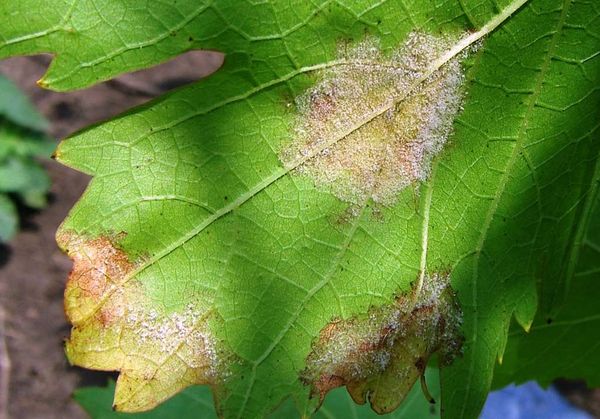
- Downy mildew. These microorganisms can easily overwinter on plant debris, and with the arrival of spring, their spores are carried by the wind. This disease primarily causes serious damage to grapes. They soon begin to darken, and the foliage curls and can dry out.
- Anthracnose. When this disease develops, absolutely all parts of the shrub wilt and dry out. Initially, the leaves and shoots of the plant become covered with brown spots with a dark border. If the stem of a shrub is affected by anthracnose, it is recommended to cut off and burn all affected areas as quickly as possible. Otherwise, the plant will lose up to 70% of its foliage.
- Black spot. If grapes turn black soon after rain, this is likely the cause. It will eventually spread to the foliage and shoots. The situation can be corrected by spraying the bushes with Bordeaux mixture.
Knowing what to do if dark spots appear on your grapes, or if the leaves change color or dry out, you can save your plants from death.
Non-communicable diseases
Let's say your grapes have started to turn black and dry out. This isn't always due to an infectious disease. Sometimes it's due to mistakes you made in caring for your plants. For example, bending the vines too much can cause them to dry out. Lack of moisture can also have a negative impact on grapes. Therefore, watering the plant during the growing season is essential.
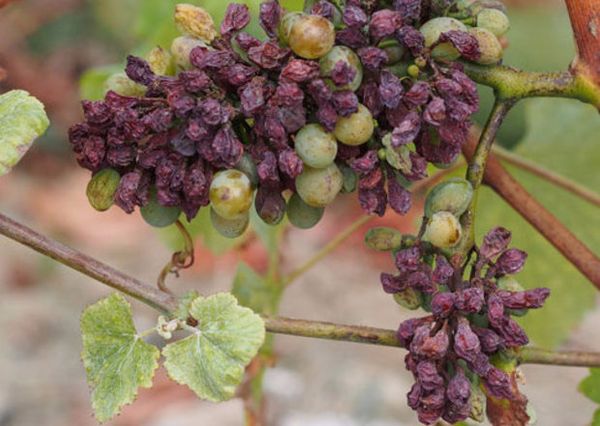
Heavy soils are also considered unfavorable factors. If yellowish spots appear on the grape leaves, it's quite possible that this is non-infectious chlorosis. You can eliminate the problem by applying mineral fertilizers to the soil in a timely manner.
Treatment of grapes
Once you've clearly identified the cause of your vineyards' drying out, it's time to begin treating the disease. The optimal treatment method will depend on the specific disease. For example, if your vines are infected with mildew, they must be uprooted and then burned. Otherwise, the disease will spread to healthy vines.
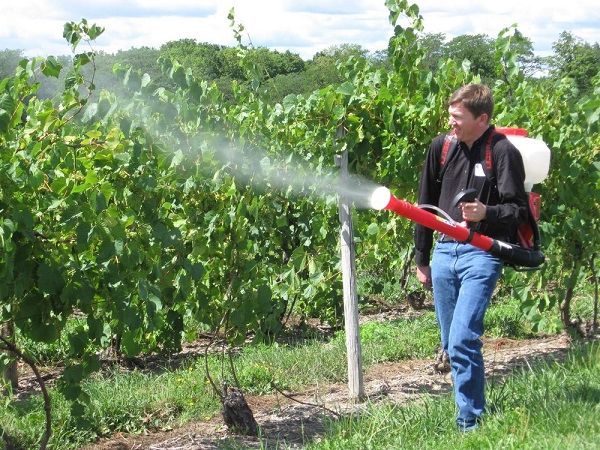
Let's say your vineyard has been affected by black spot. In this situation, it's much easier and cheaper to start preventative treatments promptly. For this purpose, special fungicides are used, spraying the vines at least twice a season. To prevent black spot from becoming a further problem, it's important to follow this key recommendation: remove unwanted or damaged shoots immediately, and treat the cuts with a special agent.
Anthracnose is quite difficult to get rid of, so prevention is your best solution.
It is recommended to spray the bushes twice during the growing season (before flowering and during fruit ripening). Keep in mind that treatment will be most effective if applied after rainfall. When it's time to harvest, it's best to hold off on spraying the bushes. However, if the problem hasn't been completely eliminated, it's recommended to continue treatment in the fall.
Prevention
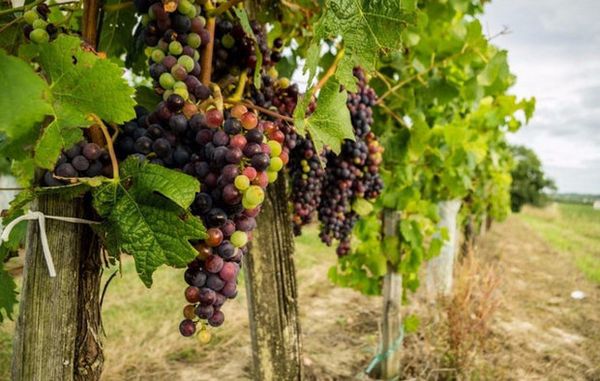
Blackened grape clusters are far from the most desirable outcome for any winegrower. However, once an infectious disease has affected the entire vine, it is difficult to cure. Therefore, experts generally recommend timely preventative treatments. This can be done using specialized preparations or Bordeaux mixture.
Monitor the health of your vineyard from the very beginning of the growing season. Regularly inspect the grape clusters and foliage for black spots, spots, or dried-out parts. If you devote enough time to this, you won't need to seek treatment for infectious or non-infectious diseases. Save your grapes from rot, and you'll be able to enjoy their flavor.
Video: "Grape Diseases and Their Control"
This video will tell you about grape diseases and how to treat them.