
Rules for processing grapes with baking soda
Content
What can baking soda protect against?
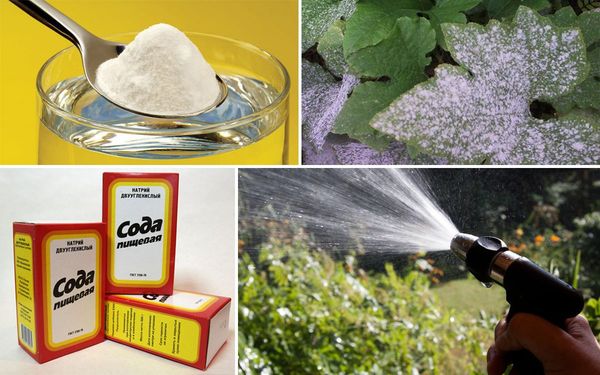
Treating grapes in the garden with baking soda is necessary if the plant shows signs of disease. Baking soda is especially effective against gray mold and other fungal diseases. Spraying plants with this solution protects against the following diseases:
- Powdery mildew (oidium). Caused by a fungus, it manifests itself as a gray coating on the fruit and leaves, accompanied by a characteristic odor (especially in hot weather). If left untreated, you could lose your entire vineyard. A solution of baking soda can help eliminate the disease.
- Gray mold. This disease is also caused by a fungus. It often attacks fruits just before they ripen or plants during flowering. As a result, shoots and buds begin to dry out, and the fruits become soft. All affected bushes should be treated.
Besides diseases, baking soda (sodium bicarbonate) can protect vineyards from pests (such as caterpillars). However, to do this, mix the baking soda with flour (1:1 ratio). Sprinkle the resulting powder on the affected foliage. The caterpillars eat the powder and die.
Baking soda can also be used effectively to control weeds. To do this, prepare a baking soda solution: mix the powder with drinking water and water the plants with the resulting solution.
A combination of baking soda, potassium permanganate, or iodine is considered an effective remedy for parasites and diseases. Treatment with baking soda and potassium permanganate is more effective than using either agent separately.
The use of iodine allows not only to preserve the harvest, but also to enrich it with this useful microelement. However, you need to be careful with iodine so as not to overdo it.
This remedy is also used to accelerate the ripening of fruit. However, to do this, you need to know how to speed up grape ripening without harming the plant.
As we can see, baking soda is an excellent insect and fungal control agent for any grape variety. Using it in combination with other preparations (iodine, potassium permanganate) not only protects the harvest but also improves its quality.
Rules of application
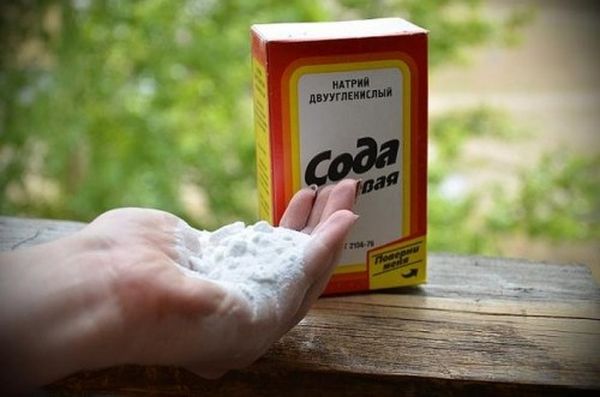
To keep your vineyard disease-free, you need to know how to use baking soda correctly. This product is used not only for grapes but also for all fruit trees.
Since the combination of water and baking soda produces a multifunctional remedy against parasites, diseases, and weeds, any gardener should know how to properly spray vineyards with this solution.
To prepare a soda solution you will need:
- one bucket of water;
- soda (one tablespoon);
- vegetable oil (one tablespoon);
- liquid detergent (one glass).
All of the above components are poured into a solvent and thoroughly mixed. The plants should then be sprayed. Once dry, the solution creates an invisible alkaline film on the plants. This film will prevent fungal growth from spores carried by wind and pollinating insects.
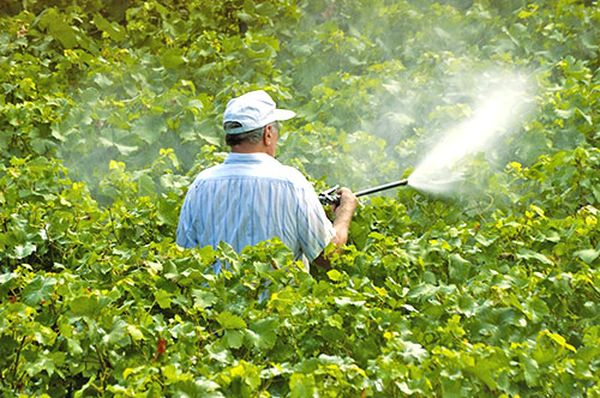
This treatment is carried out in the summer. Plants should be sprayed at least five times per season. The first treatment should be carried out before flowering. After this, each subsequent spraying should be carried out seven days later. This procedure is carried out on a cloudy, calm day when there is no rain.
Another option for using this solution is in combination with potassium permanganate. However, it's important to strictly adhere to the proportions. It's worth noting that the recipe for preparing this solution may vary depending on the purpose of its use (pest, disease, or weed control). After preparation, water the plants or spray them with the resulting solution.
Benefits and harms
To avoid damaging their plants with their treatments, gardeners should be aware of the benefits and risks of using baking soda. After all, if used incorrectly (especially when combined with other substances), the treated plants may develop some problems.
It's important to note that baking soda itself is harmless to grapes. Therefore, it can be used at any time without fear of the berries accumulating substances harmful to humans.
The positive aspects of using this product include:
- Rejuvenating plantings. To do this, add a teaspoon of Epsom salts, a couple of drops of ammonia, and one teaspoon of baking soda to a bucket of water. Mix everything thoroughly, after which the solution is ready for use;
- Weed control. Spraying the soil around the plantings helps prevent weed growth. It's worth noting that this is a side effect of watering grape vines.
- the product is used to eliminate the acidic environment in the soil;
- This product makes berries sweeter and more sugary in taste. This can significantly improve the taste of the fruit. Every self-respecting gardener should know this.
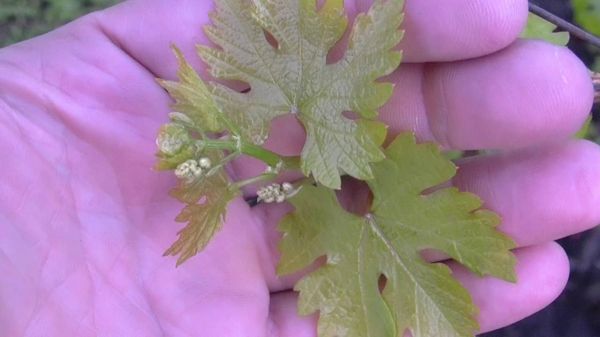
This product is completely harmless. The only thing worth noting is that it changes the soil's pH. Therefore, using baking soda on soils with an alkaline pH should be done with caution. Otherwise, this substance poses no danger to plants and does not cause any harm.
Properly treating any grapes with baking soda will protect the plantings from diseases and yield a delicious harvest at the end of the season.
Video: "Spraying Grapes for Diseases"
This video will tell you how and what to spray grapes with to prevent diseases.