
Rules for treating grapes from diseases and pests
Content
When to process
Grapevines are treated periodically for diseases and pests in the spring, summer, and fall. While this helps protect the vines from insects and diseases, it also serves other purposes. Therefore, each spraying period should be considered separately.

In the spring
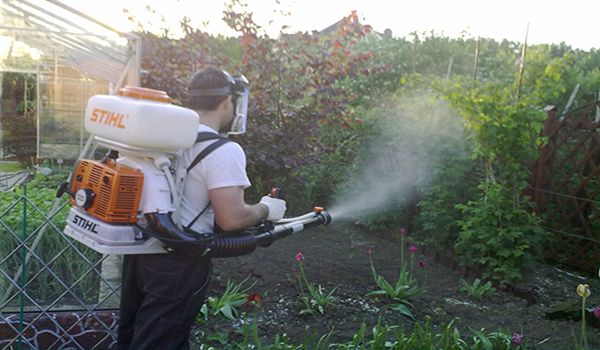
Spring is the time when the garden awakens from its winter slumber. Along with the plants, parasites and pathogenic microflora begin to emerge from hidden corners. Therefore, proper spring treatment of grapes against diseases and pests is the key to a tasty and abundant harvest.
During this period, spraying has the following functions:
- protection of plants from microbes and parasites;
- soil disinfection (many insects overwinter in it);
- prevention of fungal diseases, for which optimal conditions for development are created in the spring.
It is worth noting that the treatment of grape varieties in the spring should be carried out before the plants begin to bloom. Otherwise, there's a risk of harmful substances accumulating in the ovaries, making the harvest unfit for human consumption.
If you don't spray your grapes in the spring, there's a risk that they will become diseased in early summer, as many microorganisms overwinter under the bark. With the arrival of warmer weather, fungi and viruses begin to actively develop, causing plant diseases. Moreover, treatment isn't always effective in defeating the disease and offsetting its consequences. Very often, infected vines produce significantly smaller and inferior yields after treatment compared to healthy plants. Diseases can affect not only the foliage but also the berries themselves during fruiting.
In summer
Summer is the hottest time of the year. During this season, gardens create the perfect conditions for plants to become infected with harmful microorganisms and parasites. Therefore, treating grapes in the summer will prevent infestations and ensure a bountiful harvest.
Spraying grapes during the summer season begins from the very first month. It's important to follow a treatment calendar. This calendar specifies the times when spraying plants is safe for humans and will not lead to the accumulation of harmful substances in the berries.
When spraying grapes against diseases and pests, it's important to remember that summer is when the grape harvest begins. However, the timing of fruiting depends on the variety being grown. For late-ripening grape varieties, July is already the time for preventative treatments to protect the plantings. The timing of treatments depends on the calendar.
During the summer, this crop most often suffers from pests and diseases. Preventative measures are carried out after rain. After a heavy downpour, the leaves should be sprayed with the solution very quickly. However, this is not always possible. Therefore, during this period, grapes are protected from pests with cyclical treatments. However, these treatments have their own treatment regimen, which is strictly scheduled. However, these treatments are highly effective and last a long time.

It's worth noting that all summer grape treatments should be stopped by the end of July. Grapes begin to ripen in August, which leads to the accumulation of toxic substances in the berries after chemical spraying.
If the bush is severely infested, all berries are removed and the plant is treated with fungicides. The plant will lose its harvest, but it will be able to survive the cold season and produce abundant fruit the following season.
In the fall
A gardener's work schedule doesn't end in the fall. This is when the harvest occurs. Autumn grape cultivation also requires autumn treatment. Its purpose is as follows:
- Elimination of diseases that affect plants at the end of the season. Over time, pathogenic microflora develops even without visible symptoms;
- prevention of diseases in fruit-bearing bushes;
- preparing plantings for winter.
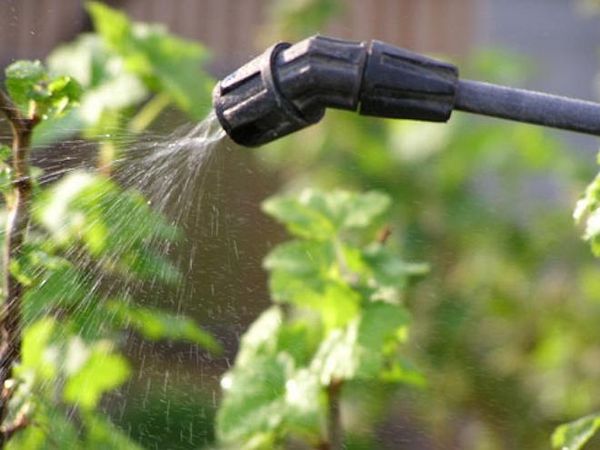
This procedure should be performed after the entire harvest has been collected. It's also important to understand how to clean up. While harvesting is straightforward, many novice gardeners don't know how to properly clean up the garden. Pruning is essential, removing all broken, old, and diseased shoots and vines. After this, remove all leaves from under the bushes and burn them along with the cut stems. This will answer the question, "How to protect grapes from diseases in the fall?"
Only after this can you spray the vineyard with a protective and therapeutic solution (for example, copper sulfate). It's important to spray not only the plant itself, but also the soil beneath it. Many grape diseases originate from contaminated soil. This is the final autumn treatment for diseases in the current season. Before this, the grapes are fertilized with ash.
If you properly treat grapes for diseases and pests in the fall, the plant will be protected throughout the cold season. These bushes are sure to produce a bountiful harvest next year. But to achieve this, you need to know what to spray grapes with to prevent diseases.
What means should be used to process it?
How to treat grapes for diseases? This question concerns all gardeners. Two types of products are currently used for this purpose:
- chemical;
- folk.
You can protect your vineyard using both options. However, each method has its own advantages and disadvantages. Therefore, it's important to become more familiar with them.
Chemicals
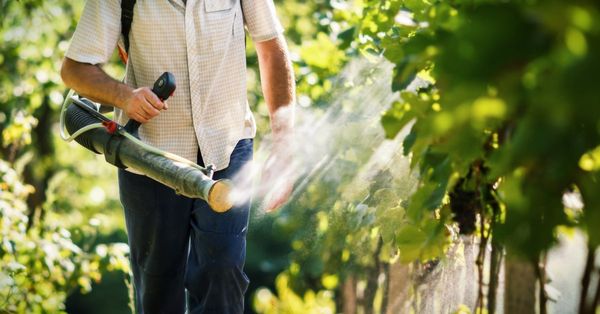
Chemical treatments (fungicides, etc.) are potent, so they should be used to treat already infected plants where the infection has spread to large areas of the stem and leaves. These treatments will combat virtually any disease. If the infection has progressed too far, spraying the bush is no longer necessary. In this case, all leaves from the affected plant should be collected and burned. The bush itself should be uprooted and burned.
These medications have one significant drawback: they are harmful. If used incorrectly, the fruits will be poisonous and inedible.
There's a wide selection of chemicals on the market today designed to combat pests and diseases. It's important to choose those specifically formulated for a given crop.
Folk
Folk remedies are safe to use because they are made from natural ingredients—plants. There are a wide variety of tinctures (for example, from onion peel, celandine, St. John's wort, etc.) and solutions (soap, etc.) that can protect shrubs from attacks by parasites and pathogenic microflora.
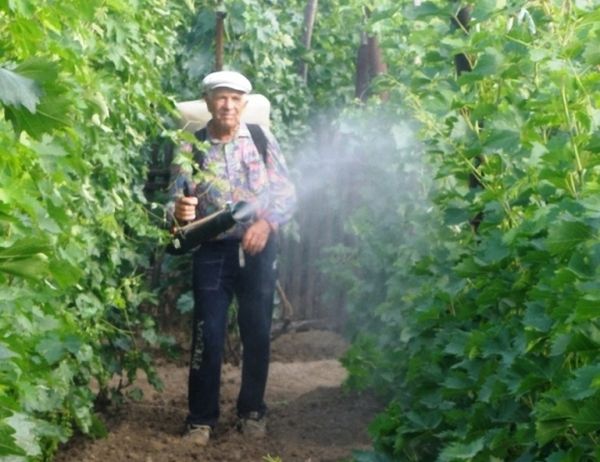
The downside of using folk remedies is that they have a weak and short-lived effect. Therefore, treated plants will be more vulnerable to disease than those sprayed with chemicals.
Each gardener decides for themselves how to treat their grapes after they open in the spring and in subsequent seasons. But the best solution is to use folk remedies. However, if disease occurs, chemicals are often the only way to save a vineyard.
Basic rules and precautions
When spraying the vineyard, avoid body contact with prophylactic or therapeutic solutions. This procedure should not be performed during flowering or berry ripening. Wash your hands thoroughly after handling.
Comprehensive protection of garden grapes from diseases and pests must be carried out throughout the season to ensure the bushes are healthy and produce a bountiful harvest.
Video: "Rules for Treating Grapes with Fungicides"
This video will tell you when and how to treat your vineyard with fungicides.