
How to combat powdery mildew on grapes
Content
Description of the disease
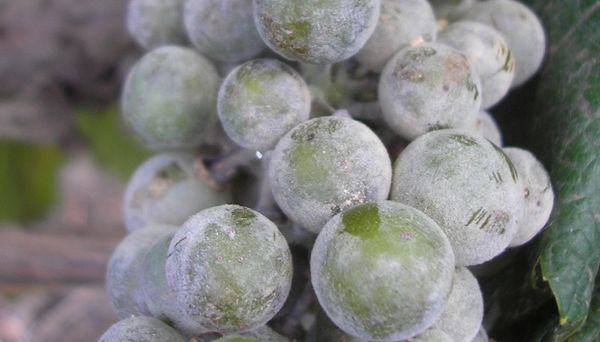
Powdery mildew on grapes is an infectious disease caused by a fungus. It attacks the shoots and leaves of the plant. If the grapes aren't treated promptly, the powdery mildew will spread to the inflorescences, preventing them from developing fully. The fungus lives only on living tissue. Spores persist throughout the season. Powdery mildew spreads rapidly on grapes and can infect neighboring vines. In warmer regions, powdery mildew becomes active early and quickly attacks new shoots. In unfavorable climates, the disease manifests itself when the first leaves emerge.
Signs and causes of manifestation
Powdery mildew, a grapevine disease, manifests itself in different ways, depending on the time of year. In spring, infected shoots continue to grow, but the leaves begin to turn yellow and develop a white coating, which quickly spreads to the shoots. Only active control of powdery mildew on grapes can save the shoot. Otherwise, the branch will turn black and die, which will also slow the growth of the vine itself.
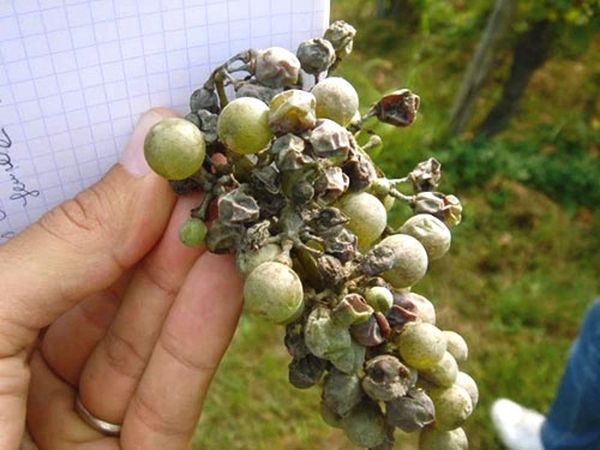
In summer, the plaque moves to the back of the leaf and then to the berries, causing spots and a mesh-like pattern to appear on them. Diseased berries begin to crack and rot, and all affected clusters become unfit for consumption.
Powdery mildew on grapes is caused by a fungus. The parasite lives on the surface of the grapes: by consuming food, it penetrates the plant, causing cell death. In the vineyard, it spreads rapidly thanks to the wind. Damp and humid air are ideal conditions for reproduction. The incubation period is one to two weeks.
What danger does it pose to the vineyard?
If powdery mildew isn't treated promptly, delayed treatment will be doomed to failure. One of the main signs of powdery mildew is an unpleasant odor (like rotten fish) and a coating similar to flour dust. Rapidly infecting shoots, leaves, and bunches, the fungus will eventually destroy the vine itself. Even if the fruit ripens, it will be uneatable.
However, it's important to understand that not all grape varieties are susceptible to this disease. The parasite most often targets grape clusters used to produce expensive wines. The following grape varieties are virtually unaffected by powdery mildew:
- Aligote;
- Chardonnay;
- Merlot;
- Charlie et al.
Therefore, to avoid a constant battle with powdery mildew on your grapes, choose resistant varieties. However, the concept of "resistance" is relative. Just because a vine isn't susceptible to powdery mildew doesn't mean it's immune to other grape diseases. It may also be susceptible to downy mildew, an infectious disease also known as downy mildew.
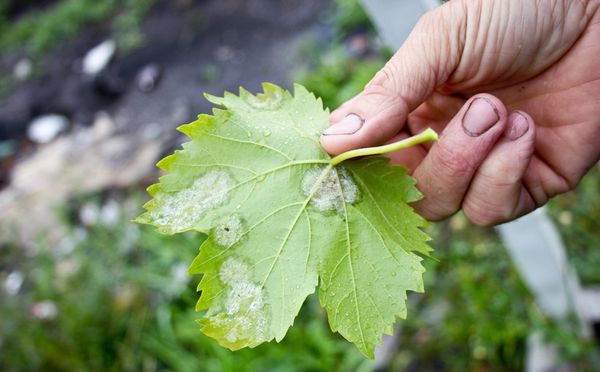
Mildew is also caused by a fungus, so it's important to be able to distinguish one infection from the other: powdery mildew affects the above-ground parts of the bush, while mildew affects all green parts of the plant. Therefore, even resistant varieties require special care and prevention. A variety of factors influence grapevine immunity: soil composition, climate, the condition of the seedling, etc.
Treatment methods
Chemicals
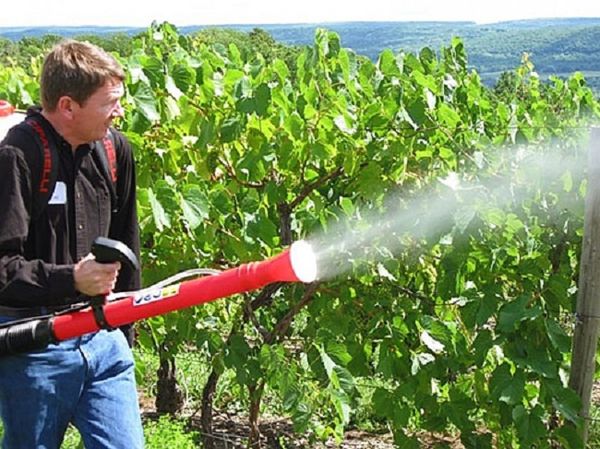
So, you can protect grapes from mildew and oidium using both chemical and natural remedies. Let's start with medicinal products. The most effective method is to spray the vineyard with a sulfur-containing product. The fungus will absorb the sulfur and die. To avoid burning the leaves, spray the grapes in the morning or evening. Effective products for oidium:
- "Topaz";
- Bayleton;
- "Rubigan";
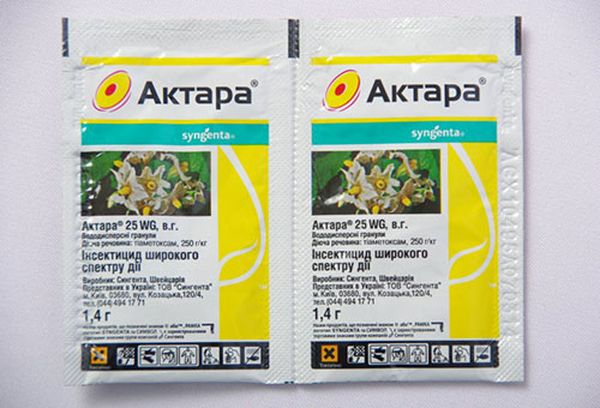
- "Aktara".
If you have to fight against last year's powdery mildew, then try Horus.
Ridding a plant of mildew is a thankless task. Choose grape varieties that are resistant to this disease. If the plant does become infected, it can only be saved in the early stages using products such as Efal and Stroviy.
Folk
Now we offer folk remedies for combating powdery mildew on grapes. An effective and simple solution is baking soda. Mix 3 tablespoons of the powder with 3 liters of water and 1 tablespoon of soap. Apply the resulting solution to the plant immediately. Treatment with Bordeaux mixture mixed with colloidal sulfur in equal proportions is also considered effective.
Treating grapes with copper sulfate is only possible before buds appear: dilute 10 grams of the solution in 10 liters of water. The safest method for combating powdery mildew is to apply an ash solution to the vine: pour 1 kg of grapes into 10 liters of water and let it steep for 5 days. Soilborne infections can be combated with a tansy decoction: pour 300 grams of the plant into 10 liters of water.
Whether you choose chemical or natural remedies, preserving your grapes will require maximum effort. The key is to choose an effective fungicide and apply it regularly. Remember, we're fighting an insidious enemy that can quickly destroy an entire vineyard.
Prevention
Of course, it's better to prevent a fungal infection than to treat it. Comprehensive care and prevention will help reduce the likelihood of powdery mildew. In the fall and spring, all grape varieties require tilling. Even resistant varieties should be treated with fungicides.
Be sure to disinfect your pruning tools—this simple action will protect your grapes from powdery mildew and other infections.
The plant needs to be fed, but don't overdo it. When watering, avoid splashing water on the bush. Keep the soil under the grapes tidy, removing fallen leaves and dry branches. The best prevention is to choose grape varieties resistant to fungal diseases, such as Kishmish, Sauvignon, and others.
Video: "Combating Powdery Mildew on Grapes"
This video will show you how to combat oidium or powdery mildew.